Space Missions, Explained
Guides to the rockets and spacecraft flying today, from NASA to SpaceX, Rocket Lab, and Blue Origin. There is also a searchable catalog of hundreds more NASA missions, going back to Apollo.
Featured Guides
Written and fact-checked by hand
Active Missions
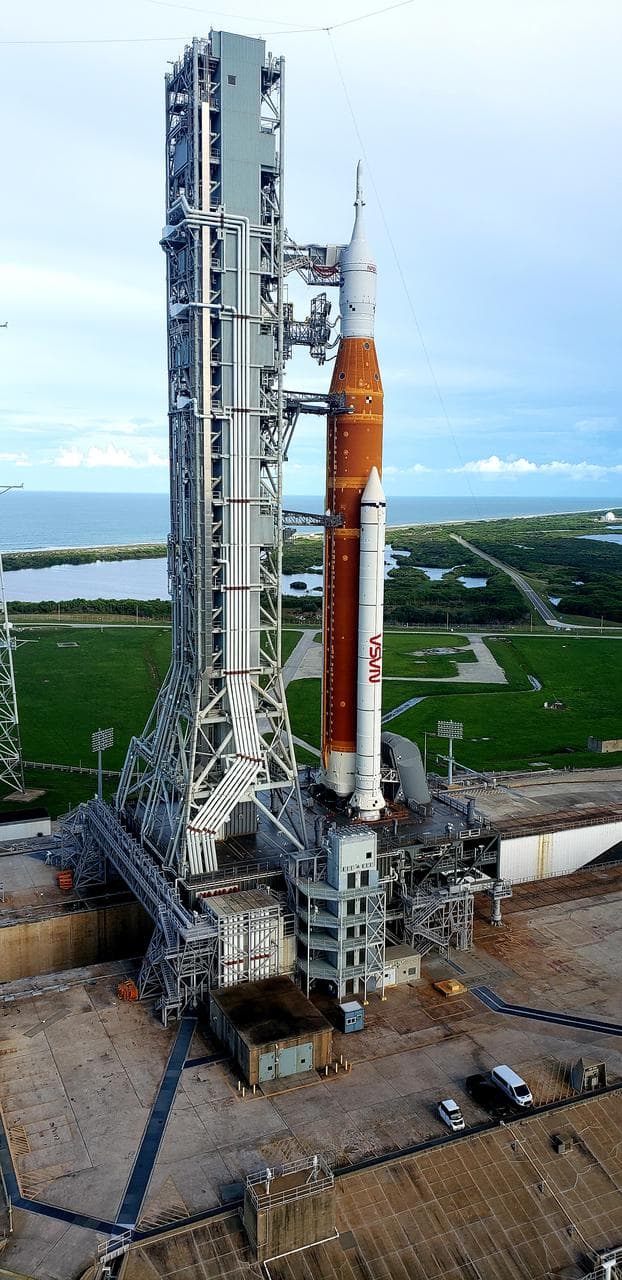
Artemis
NASA's program to return astronauts to the Moon and build toward the first crewed missions to Mars.
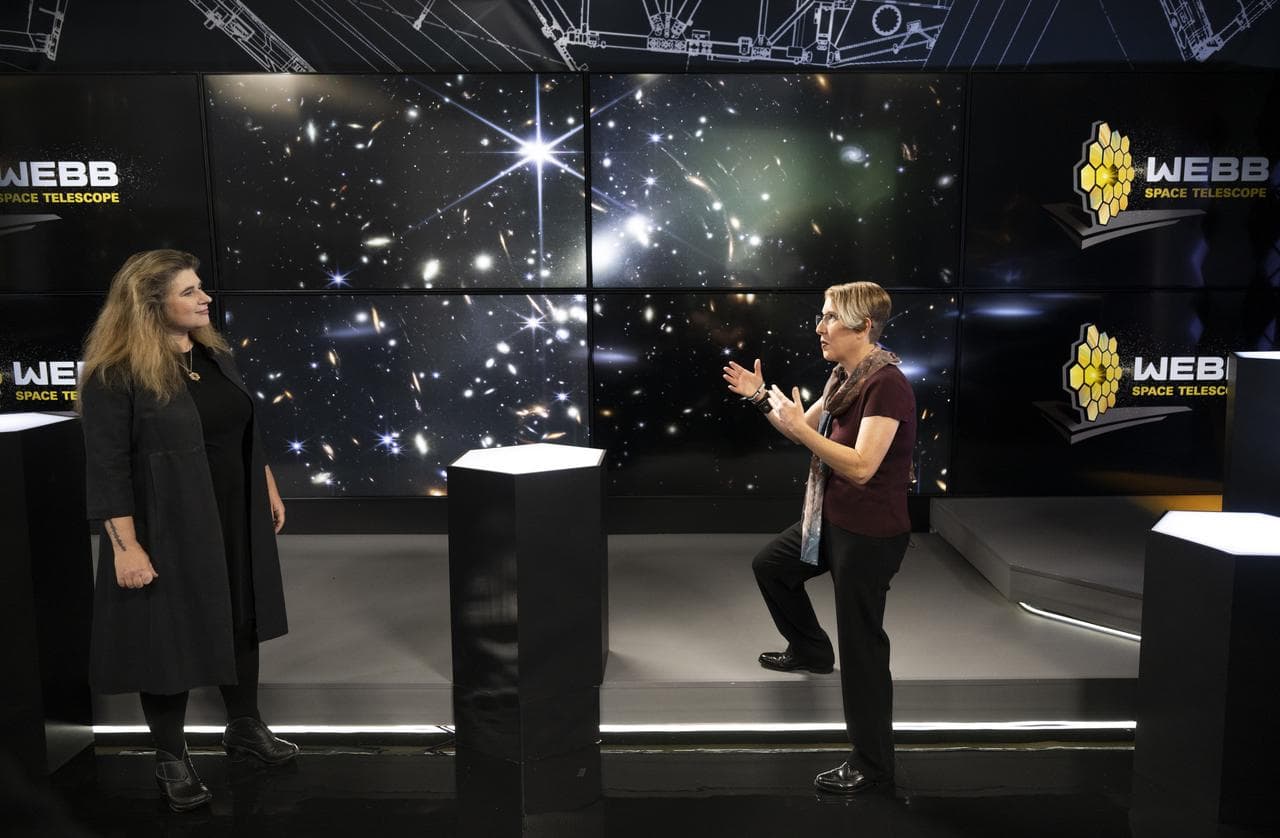
James Webb Space Telescope
The most powerful space telescope ever built, seeing the universe in infrared from a million miles away.
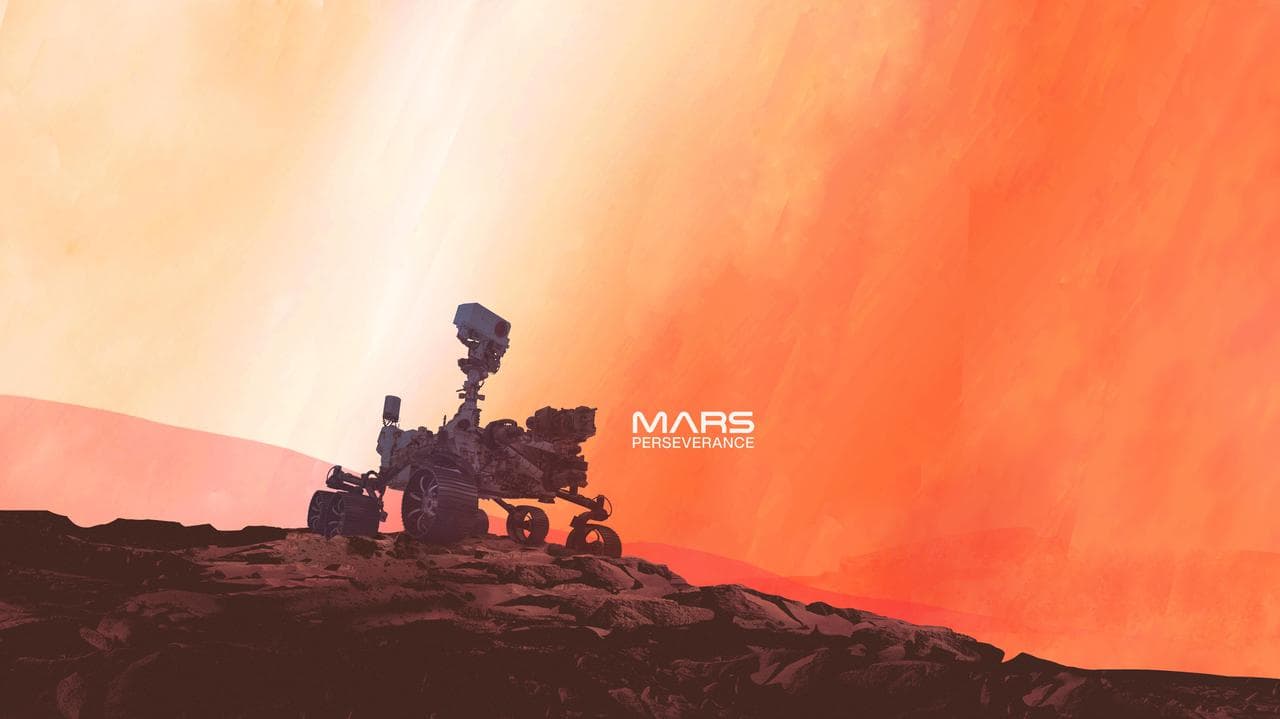
Perseverance
NASA's newest Mars rover, hunting for signs of ancient life and caching samples for return to Earth.
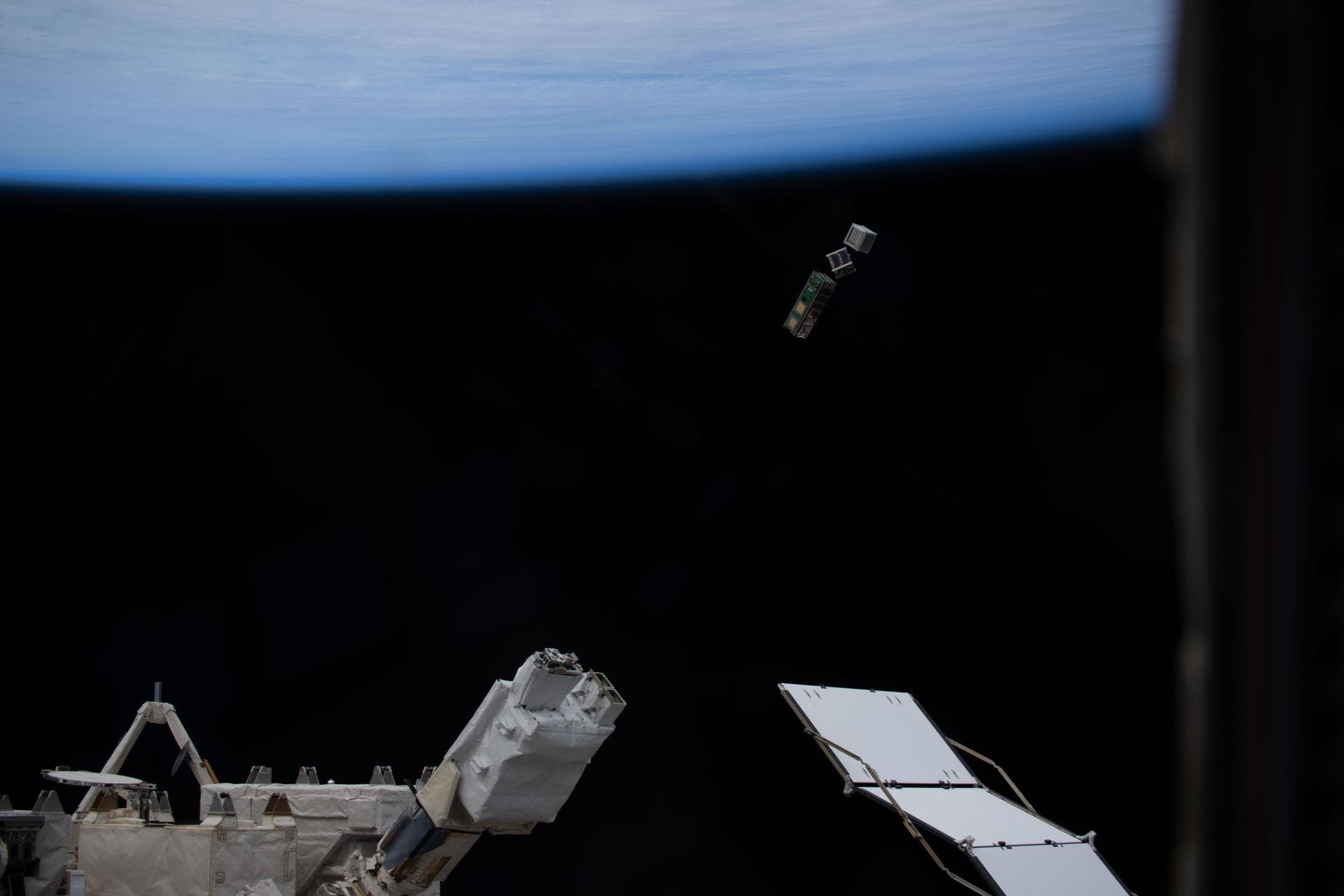
International Space Station
Humanity's laboratory in orbit, continuously crewed since November 2000.
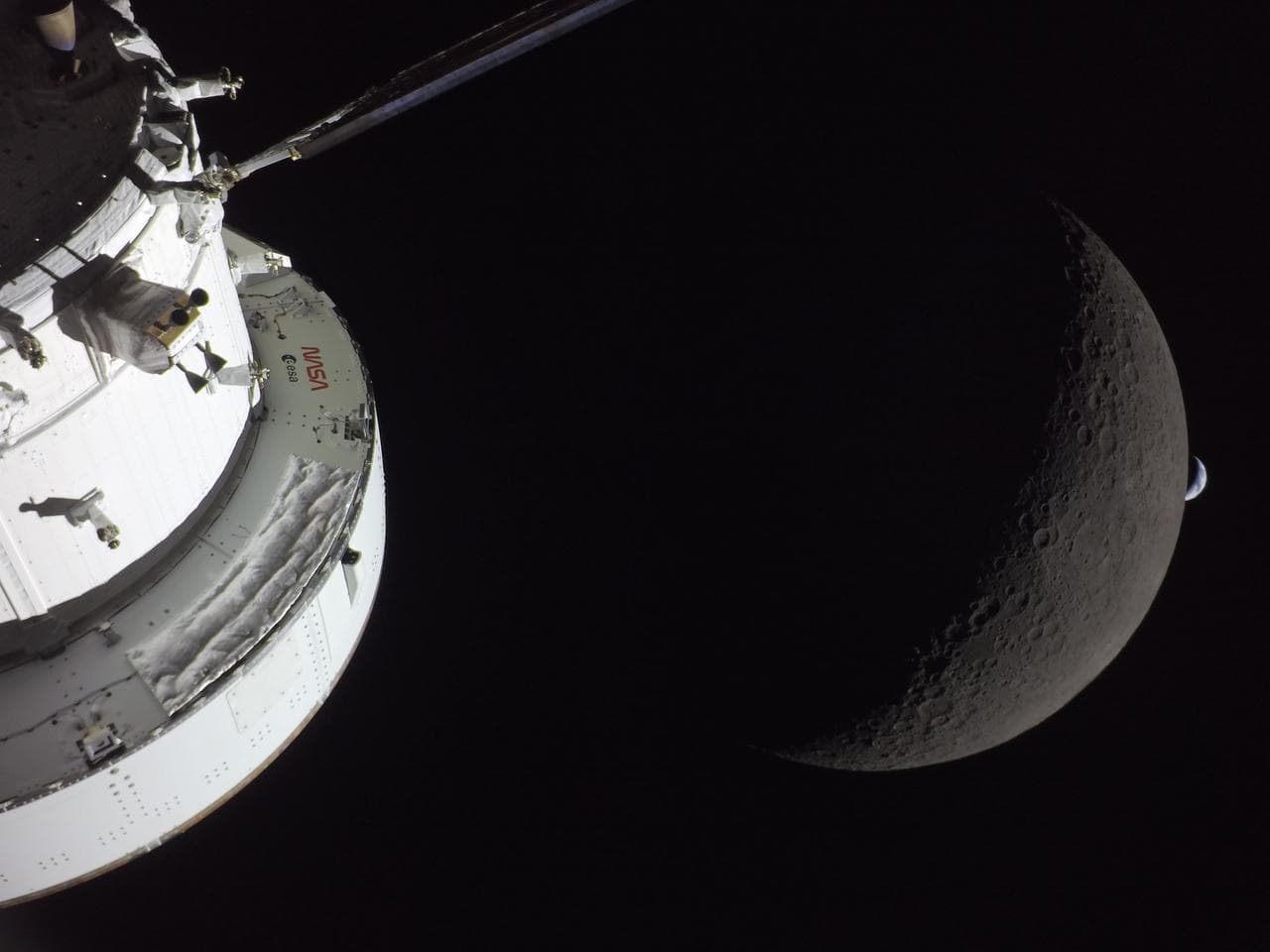
Orion and SLS
The crew capsule and heavy-lift rocket that carry Artemis astronauts to the Moon.
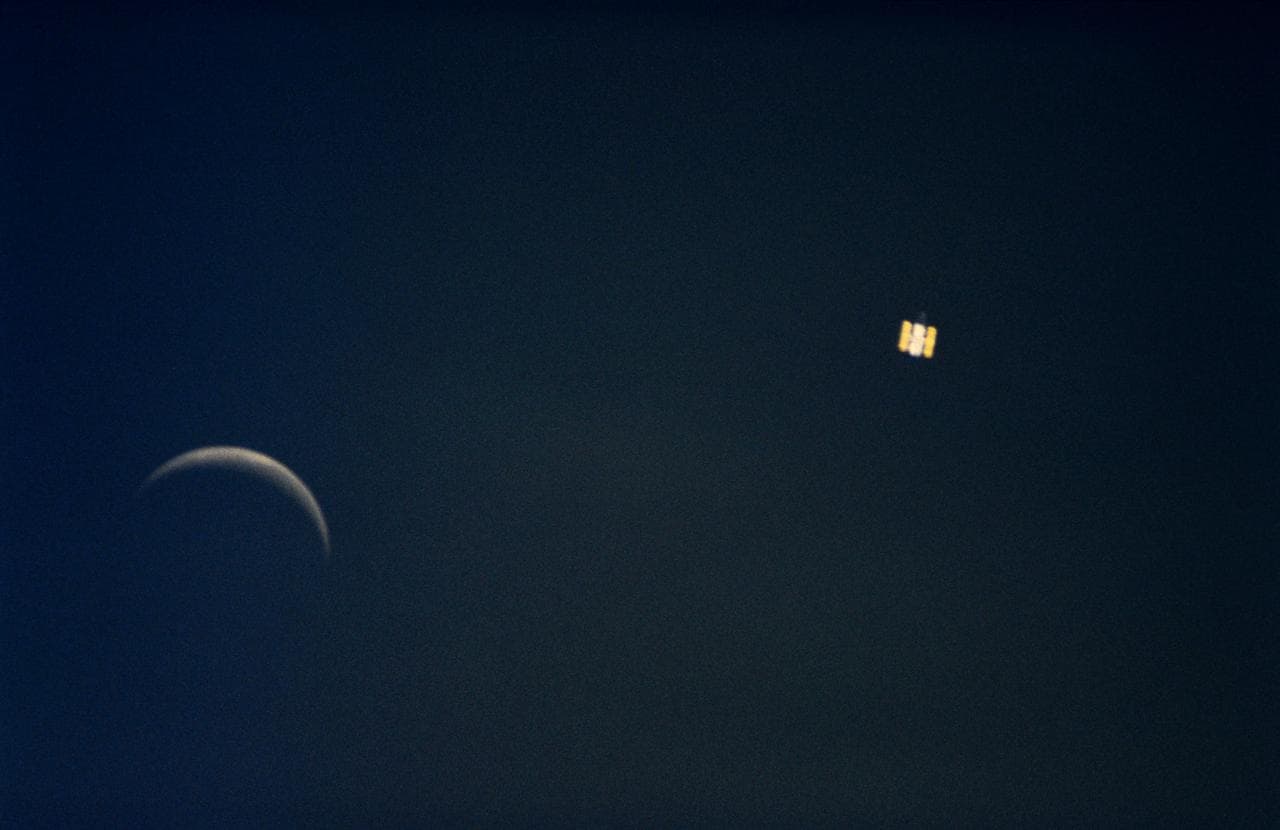
Hubble Space Telescope
The telescope that changed astronomy, still doing frontier science after three decades in orbit.
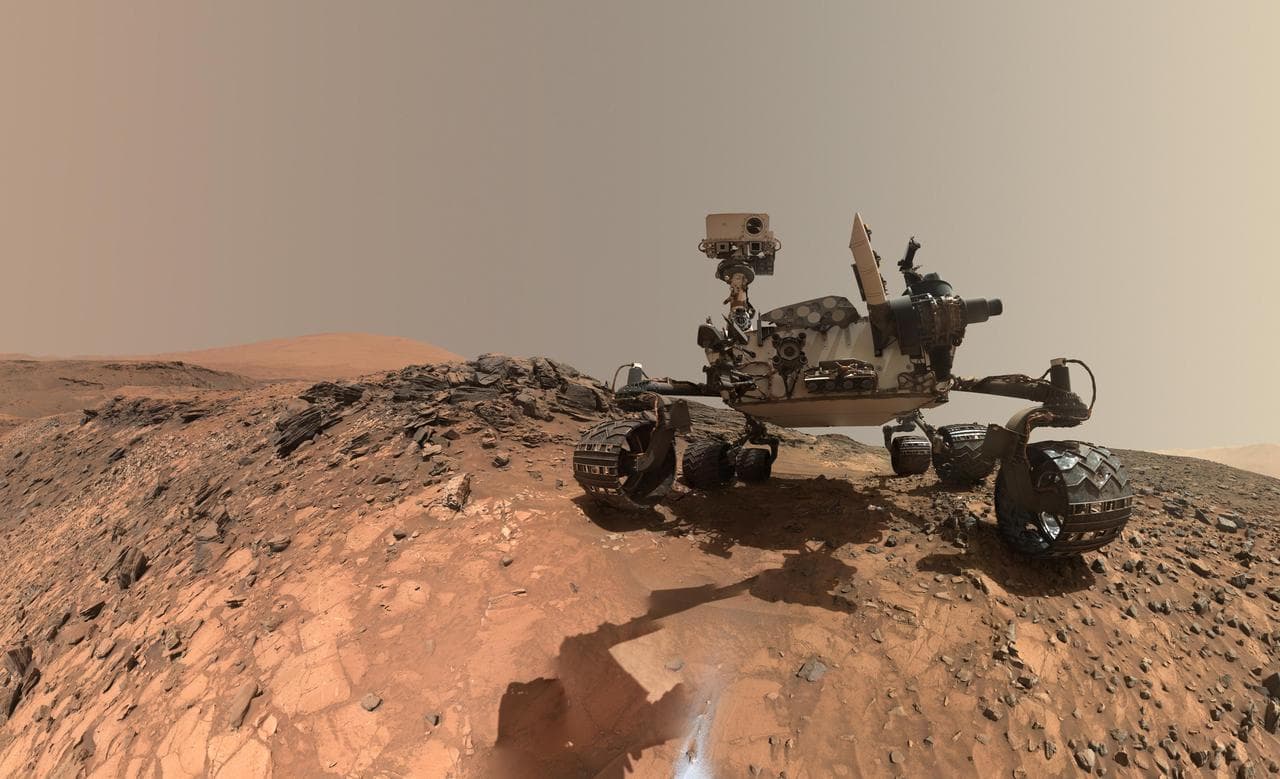
Curiosity
The rover that proved ancient Mars could have supported life, still climbing a Martian mountain.
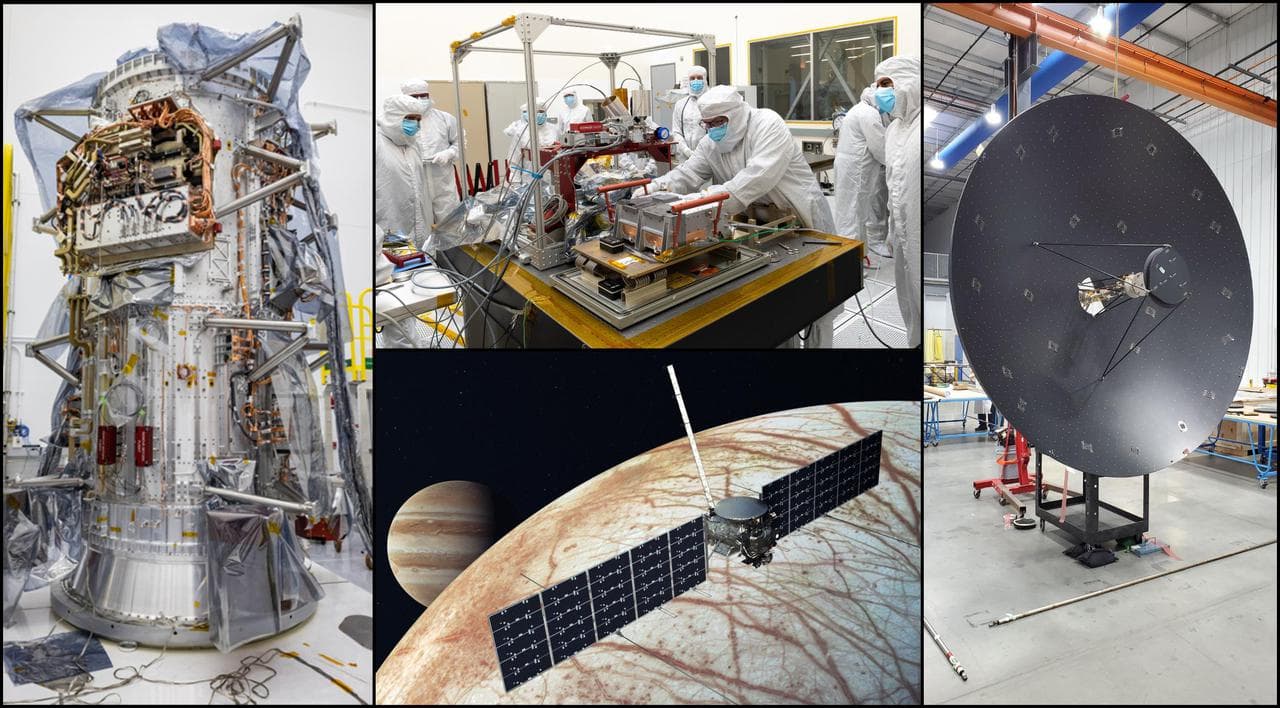
Europa Clipper
NASA's largest planetary spacecraft, headed to Jupiter's ocean moon to ask if it could host life.
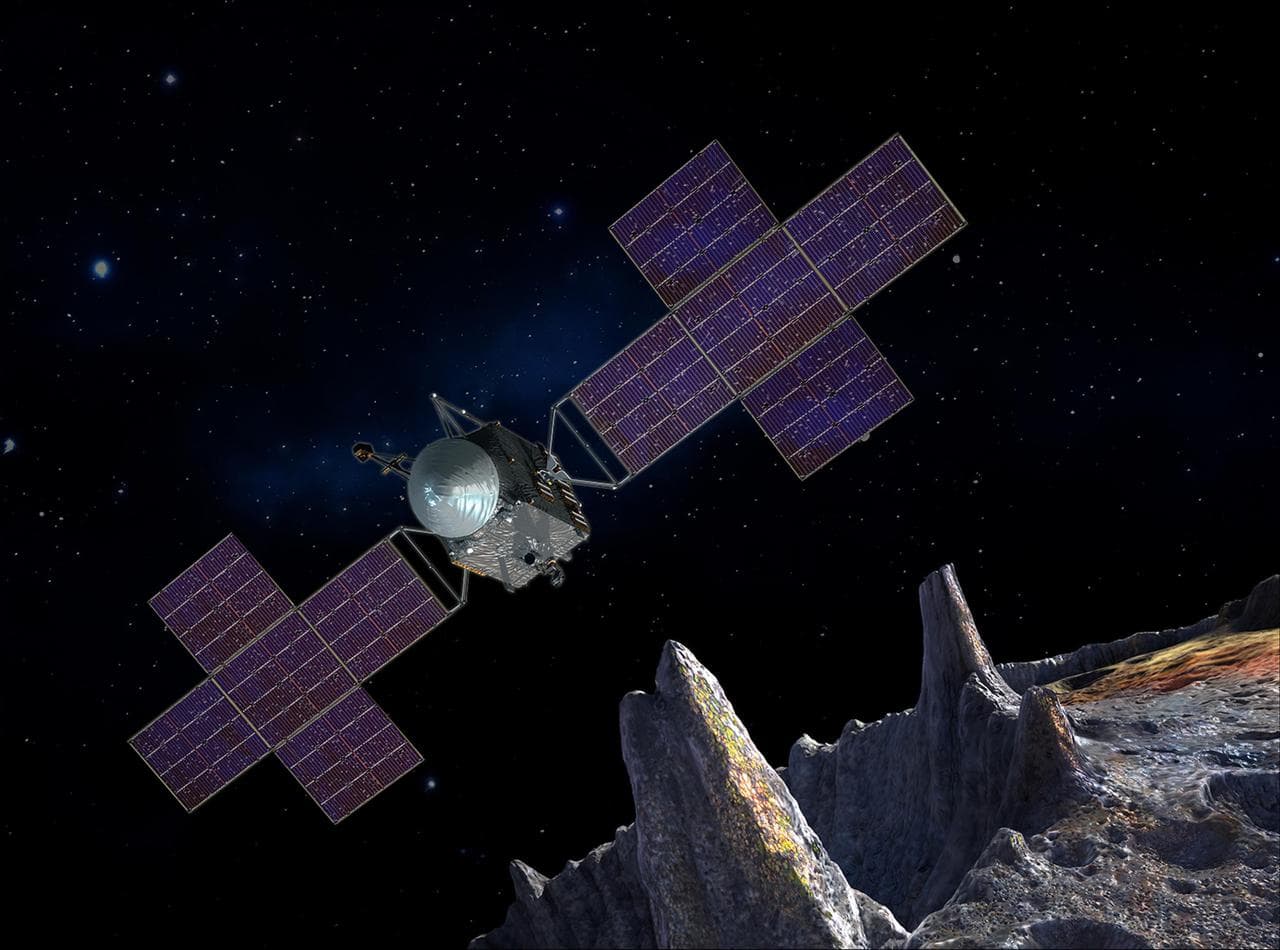
Psyche
A journey to a metal asteroid that may be the exposed core of a dead planet.
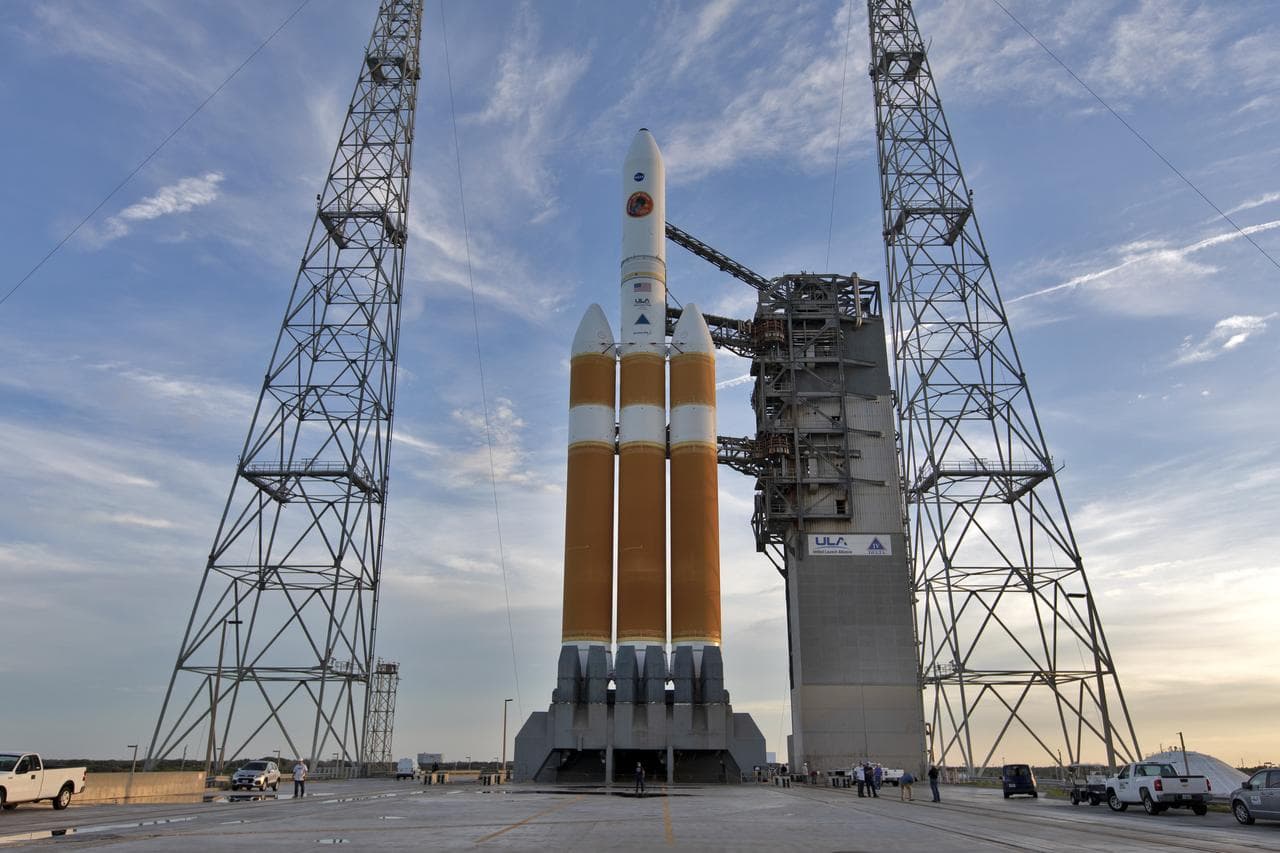
Parker Solar Probe
The fastest spacecraft ever built, flying through the Sun's atmosphere again and again.
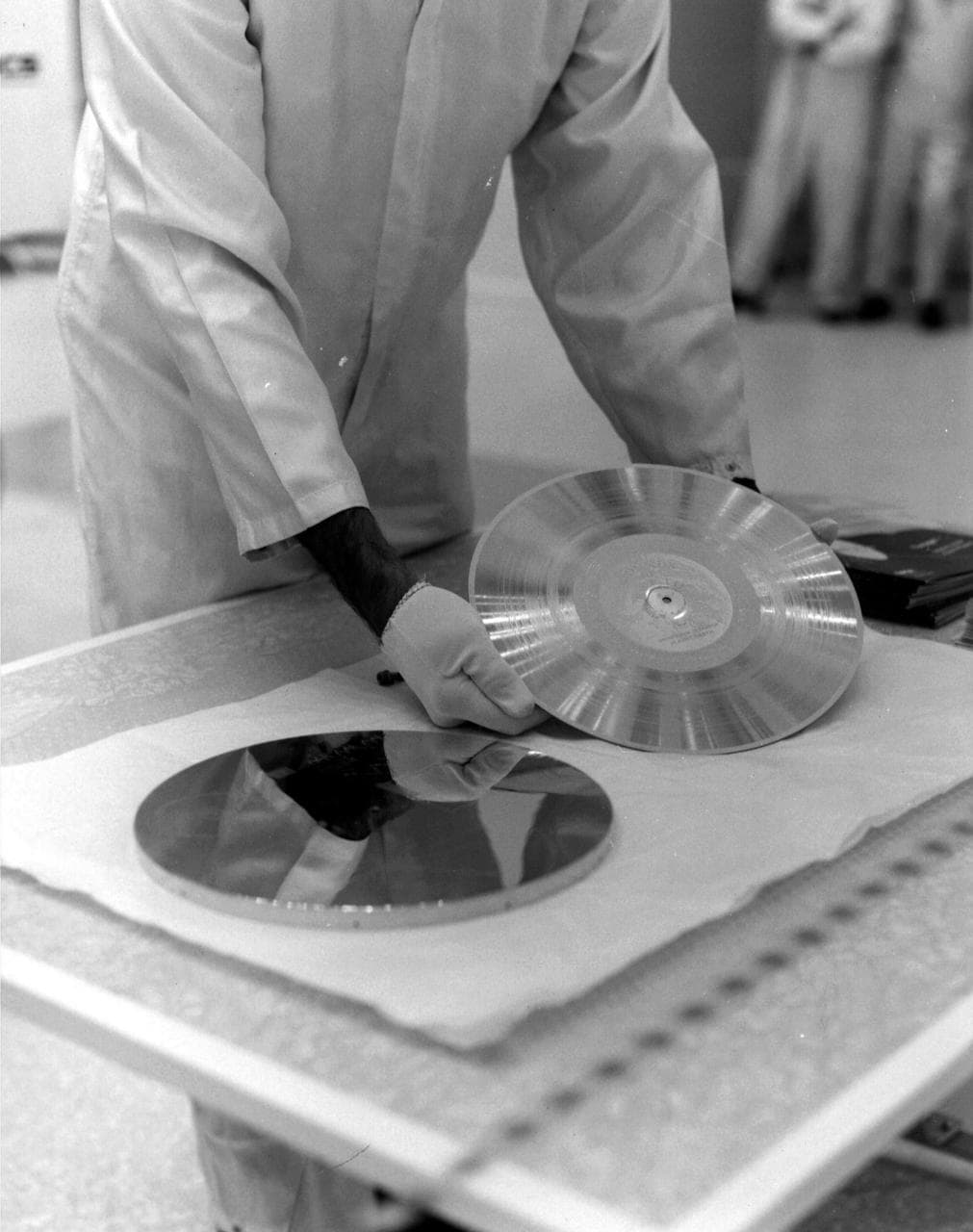
Voyager 1 and 2
Twin probes launched in 1977, now the only spacecraft reporting from interstellar space.
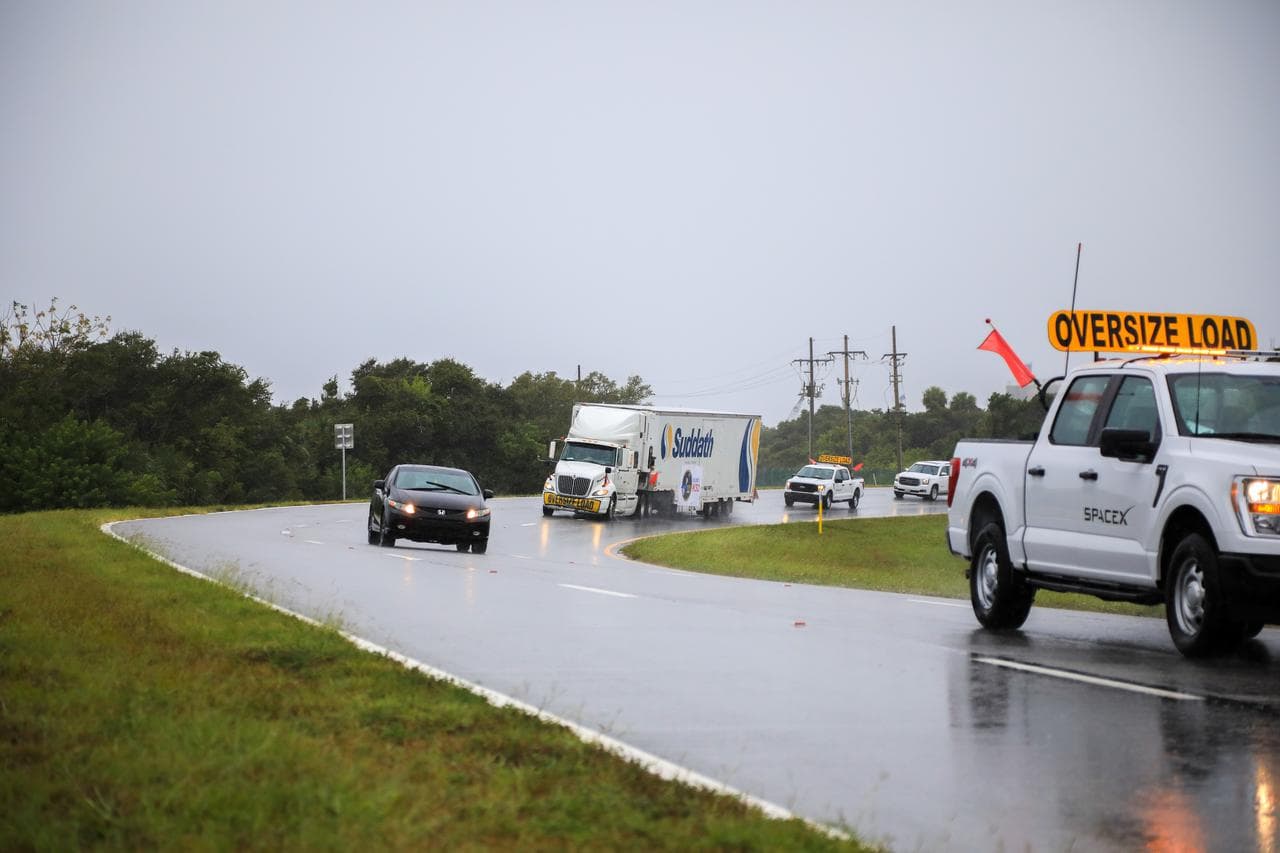
IXPE
A small telescope measuring the polarization of X-rays from black holes, pulsars, and exploded stars.
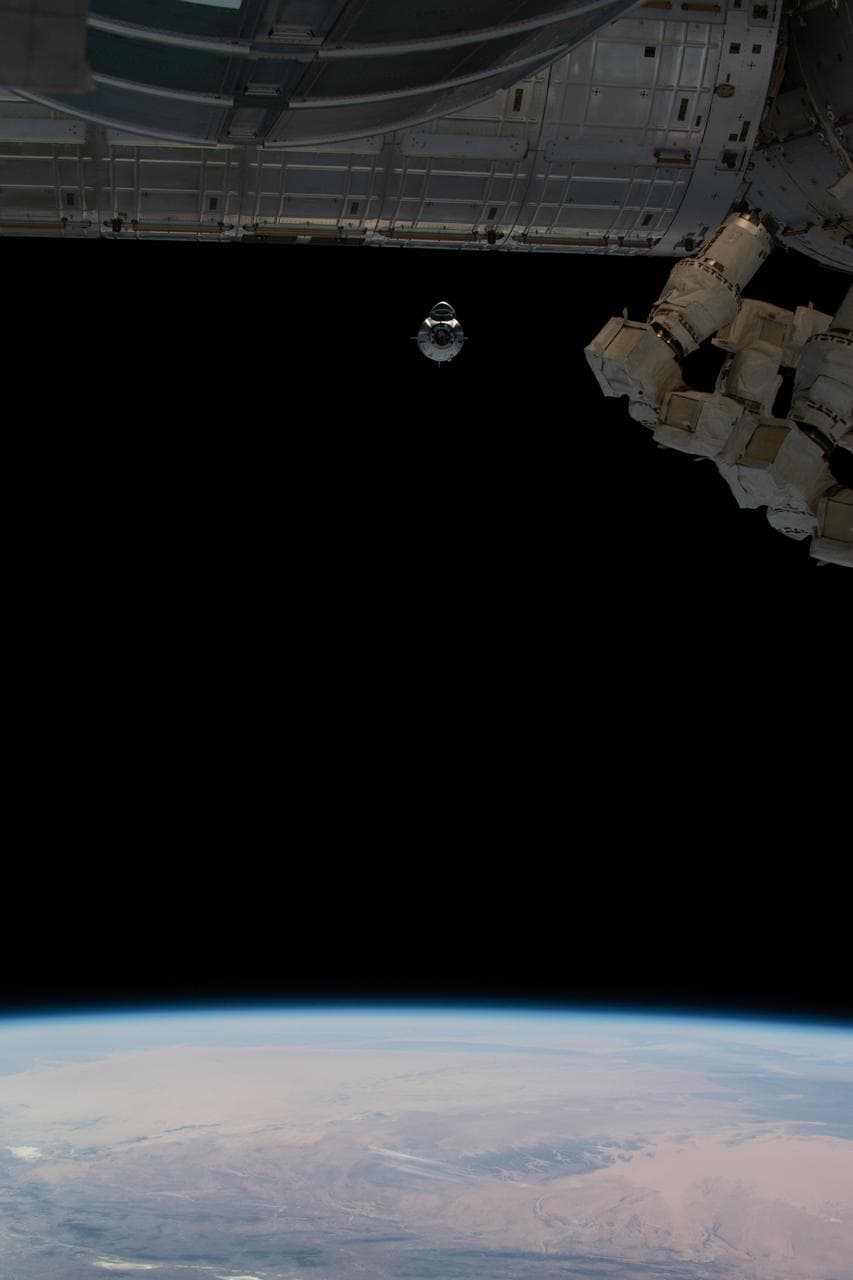
Commercial Crew
NASA buys rides: private spacecraft carrying astronauts to the space station.
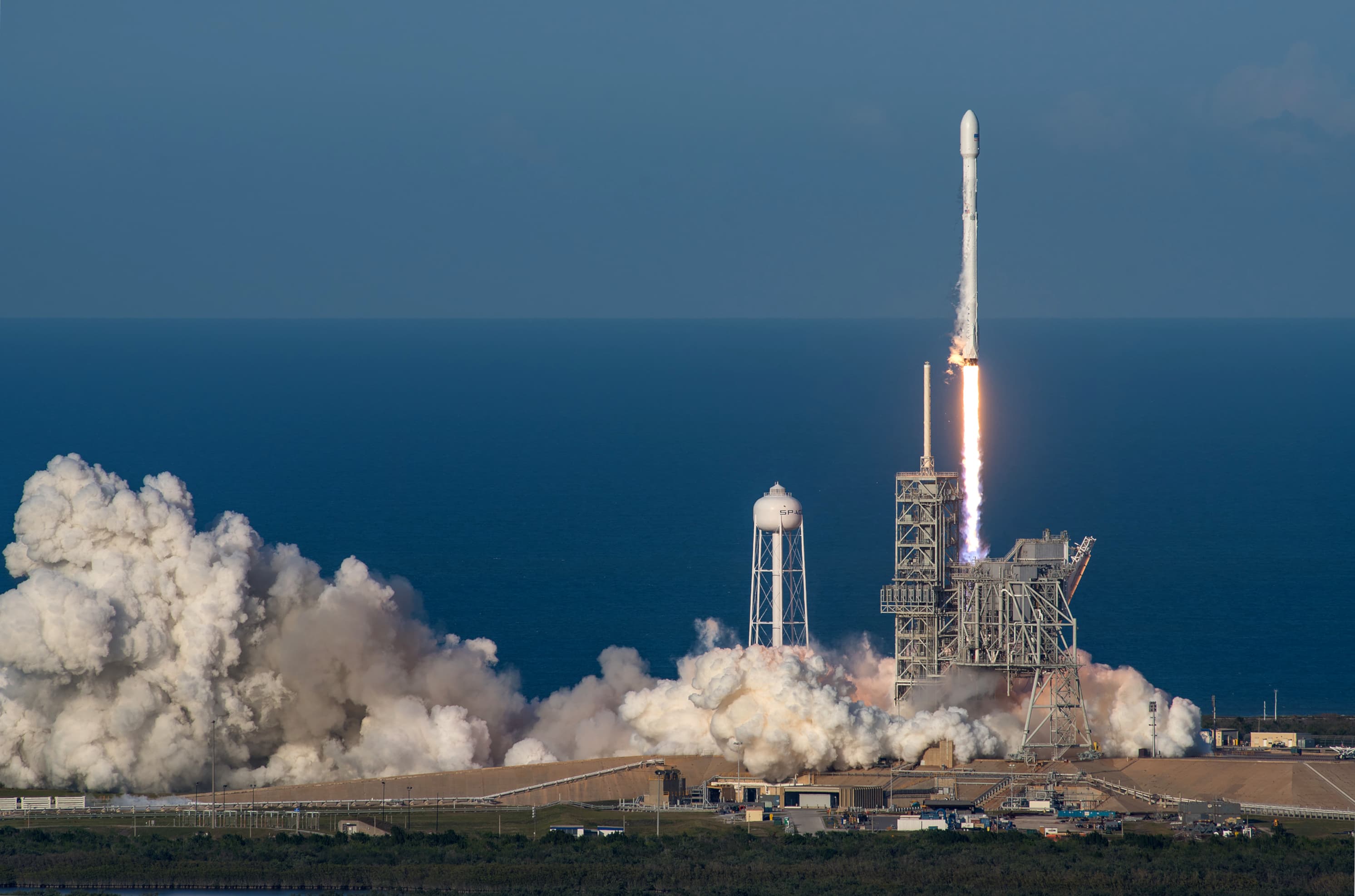
Falcon 9
SpaceX's partially reusable workhorse, the most-flown orbital rocket in the world.
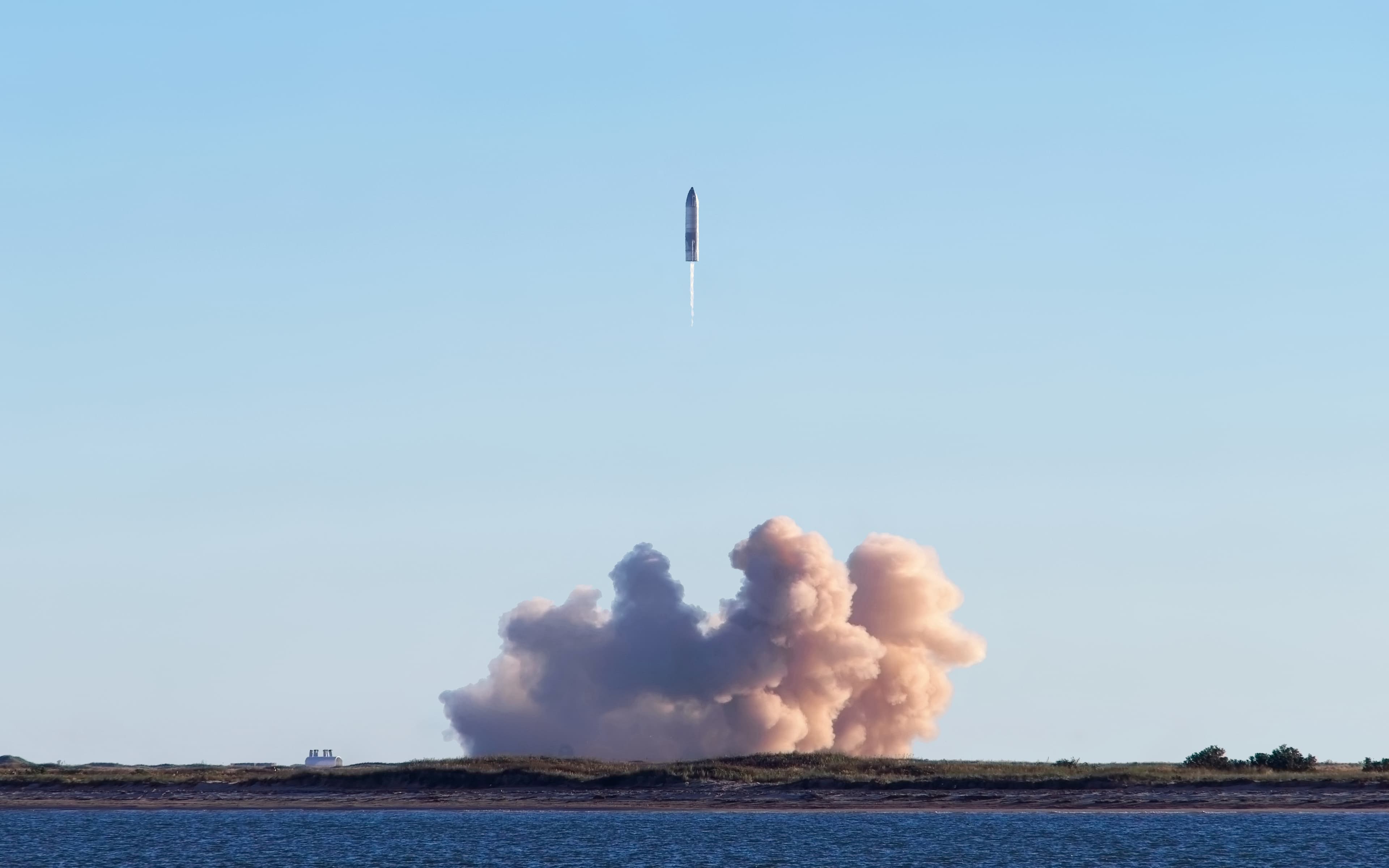
Starship
SpaceX's fully reusable super-heavy launch system, built to carry people and cargo to the Moon and Mars.
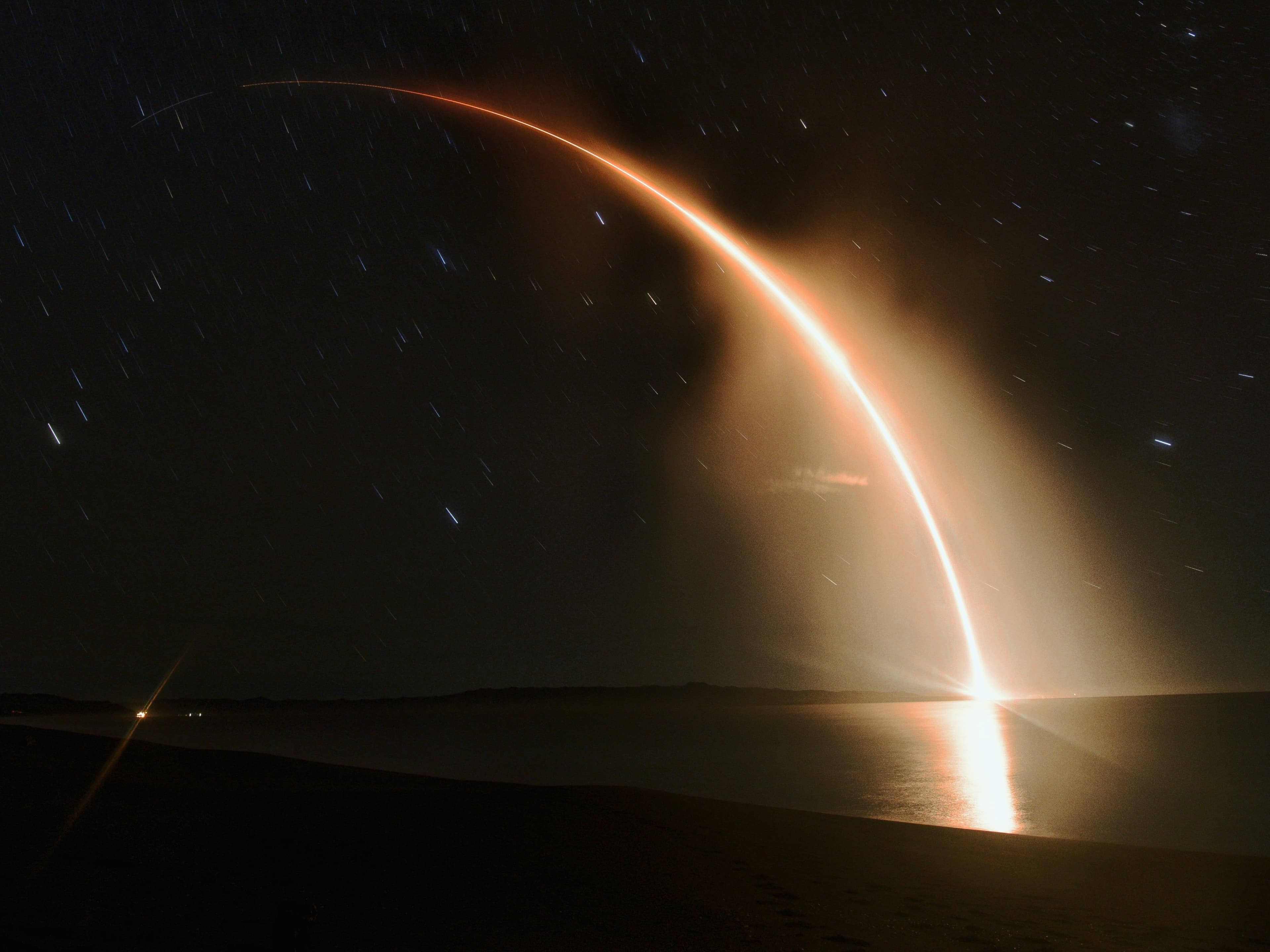
Electron
Rocket Lab's small-satellite launcher, the most-flown rocket in its class.
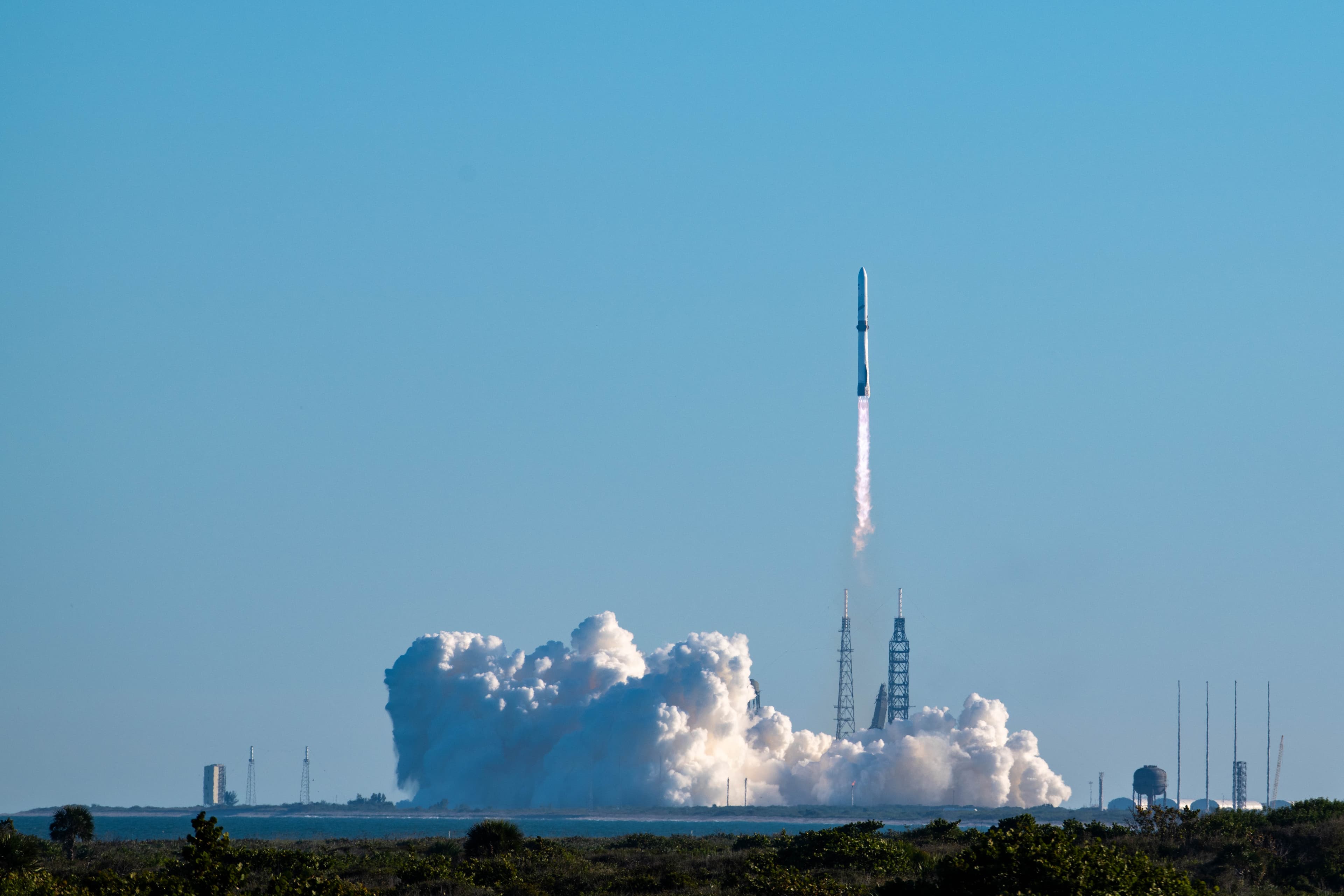
New Glenn
Blue Origin's heavy-lift, partially reusable orbital rocket.
Browse All Missions
Explore the timeline327 more missions from NASA's own mission database, plus our featured guides
Catalog entries link directly to NASA's official page for each mission rather than a hand-written guide, so this list stays current without anyone here reviewing hundreds of pages by hand. It draws from NASA's structured mission records, which don't cover every historical program (Voyager and Apollo, for instance, live only in our featured guides above).
55 missions
Artemis
NASA's program to return astronauts to the Moon and build toward the first crewed missions to Mars.
James Webb Space Telescope
The most powerful space telescope ever built, seeing the universe in infrared from a million miles away.
Perseverance
NASA's newest Mars rover, hunting for signs of ancient life and caching samples for return to Earth.
International Space Station
Humanity's laboratory in orbit, continuously crewed since November 2000.
Orion and SLS
The crew capsule and heavy-lift rocket that carry Artemis astronauts to the Moon.
Hubble Space Telescope
The telescope that changed astronomy, still doing frontier science after three decades in orbit.
Curiosity
The rover that proved ancient Mars could have supported life, still climbing a Martian mountain.
Europa Clipper
NASA's largest planetary spacecraft, headed to Jupiter's ocean moon to ask if it could host life.
Psyche
A journey to a metal asteroid that may be the exposed core of a dead planet.
Parker Solar Probe
The fastest spacecraft ever built, flying through the Sun's atmosphere again and again.
Voyager 1 and 2
Twin probes launched in 1977, now the only spacecraft reporting from interstellar space.
IXPE
A small telescope measuring the polarization of X-rays from black holes, pulsars, and exploded stars.
Commercial Crew
NASA buys rides: private spacecraft carrying astronauts to the space station.
Falcon 9
SpaceX's partially reusable workhorse, the most-flown orbital rocket in the world.
Starship
SpaceX's fully reusable super-heavy launch system, built to carry people and cargo to the Moon and Mars.
Electron
Rocket Lab's small-satellite launcher, the most-flown rocket in its class.
New Glenn
Blue Origin's heavy-lift, partially reusable orbital rocket.
In-Situ Resource Utilization (ISRU)
Mission Overview
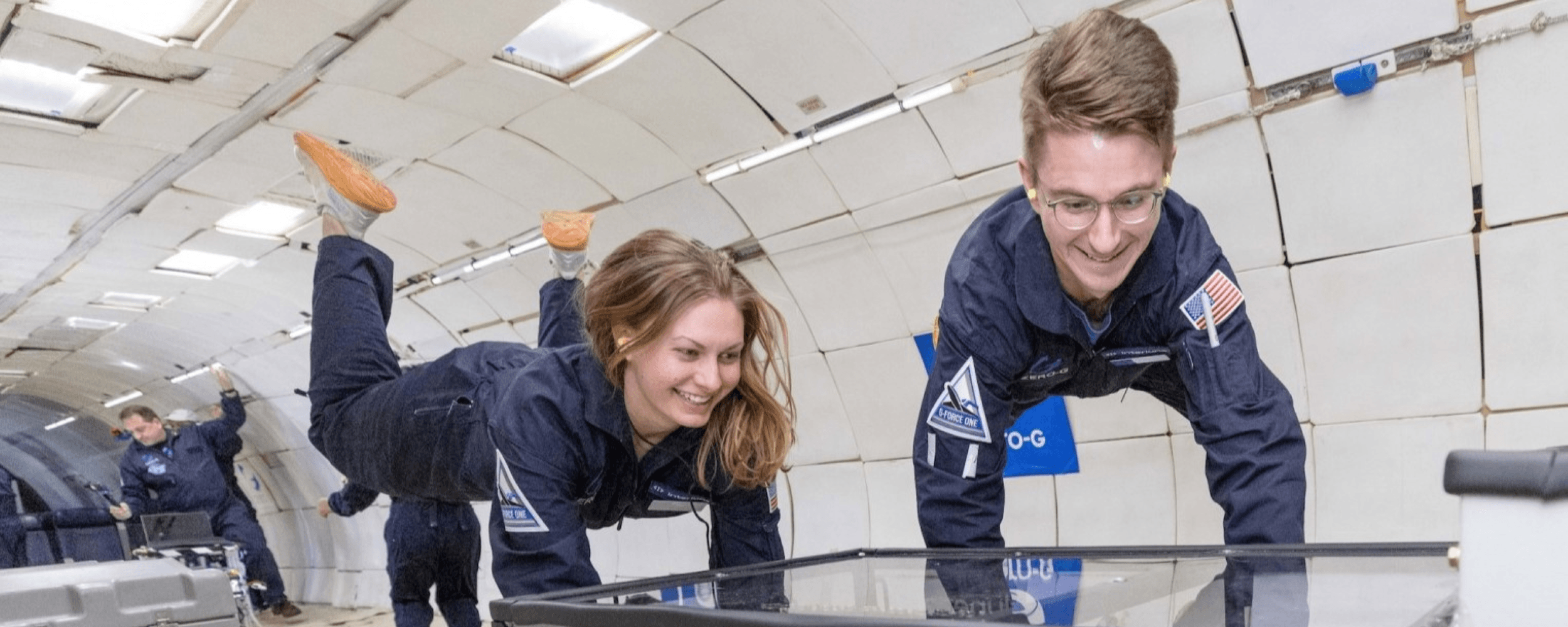
Parabolic Flight
Location: Varies, according to the commercial flight provider’s airport access. Purpose: Parabolic flight research allows scientists to conduct Earth-based studies that could lead to enhanced astron
Quesst
Quesst is NASA’s mission to demonstrate how the X-59 can fly supersonic without generating loud sonic booms and then survey what people hear when it flies overhead. Reaction to the quieter sonic “thum
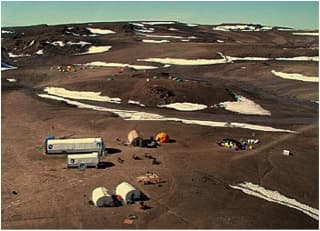
Haughton Mars Project (HMP), Canadian Arctic
Posted on: April 30, 2012 Branch / Organization: Space Science & Astrobiology Division Research at HMP has focused on astrobiology and geology research, human and robotic exploration technology develo
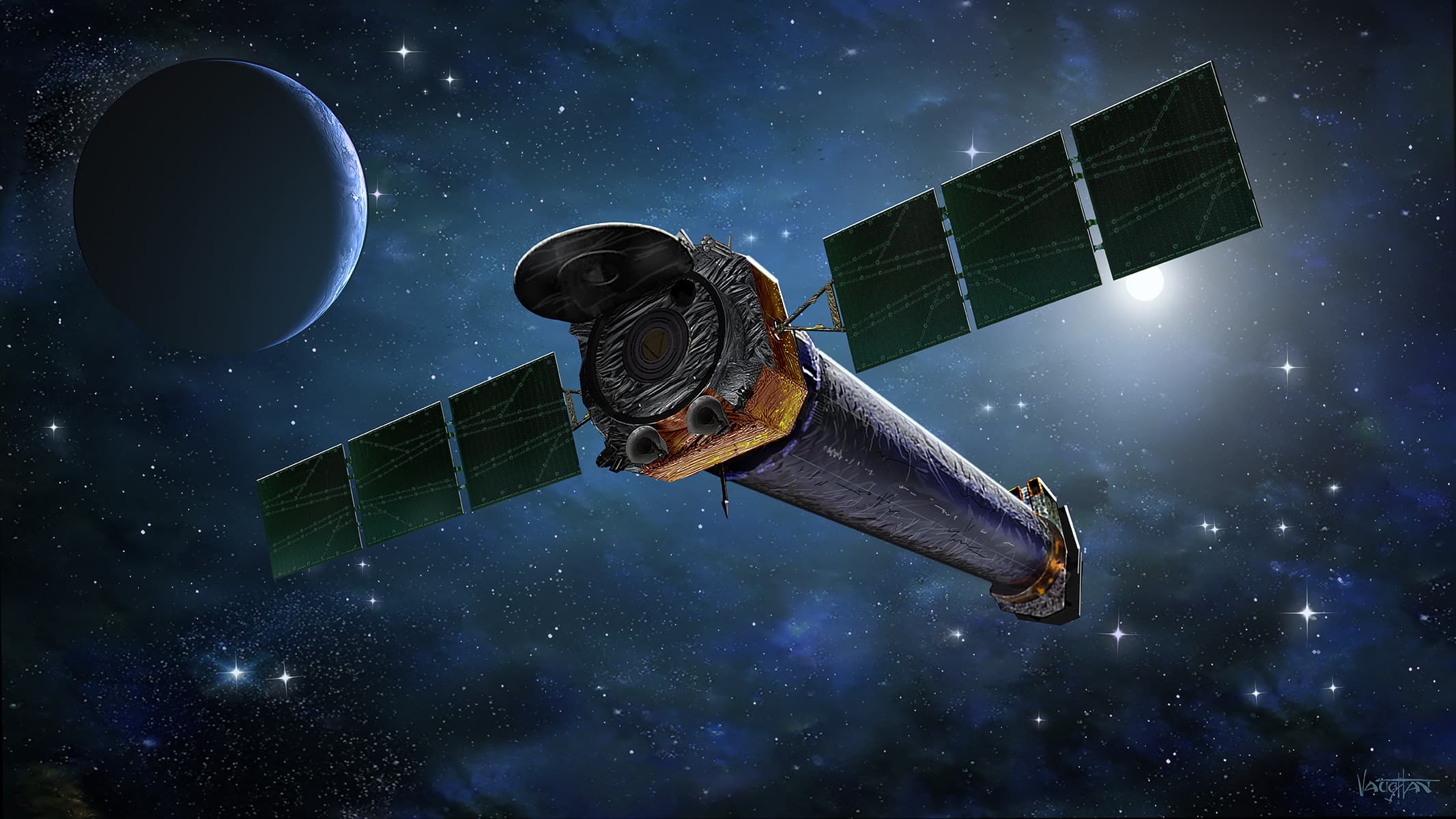
Chandra X-ray Observatory
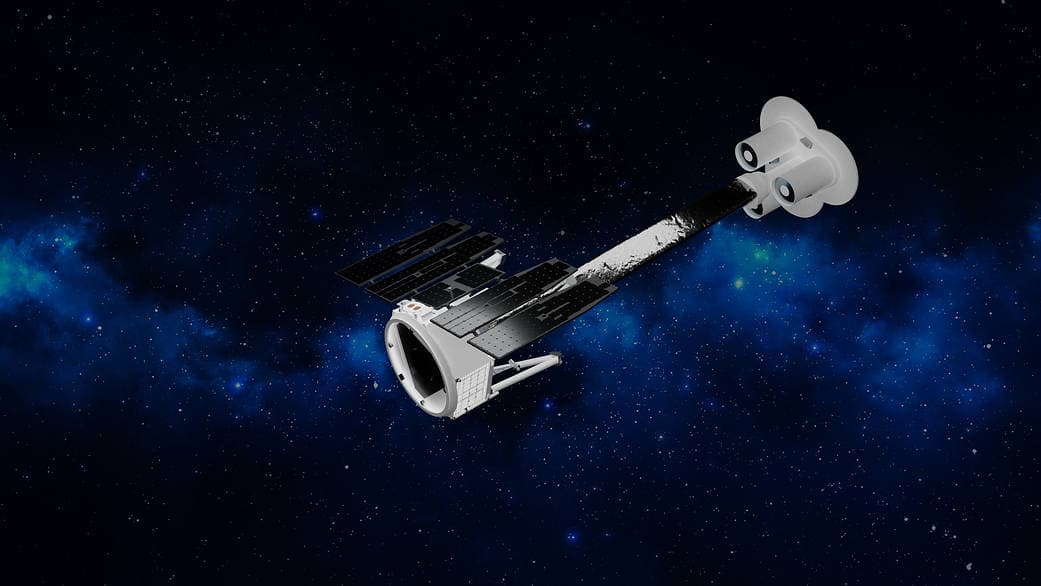
Imaging X-ray Polarimetry Explorer (IXPE)
The Imaging X-ray Polarimetry Explorer (IXPE) is a space observatory built to discover the secrets of some of the most extreme cosmic objects – the remnants of supernova explosions, neutron stars, pow
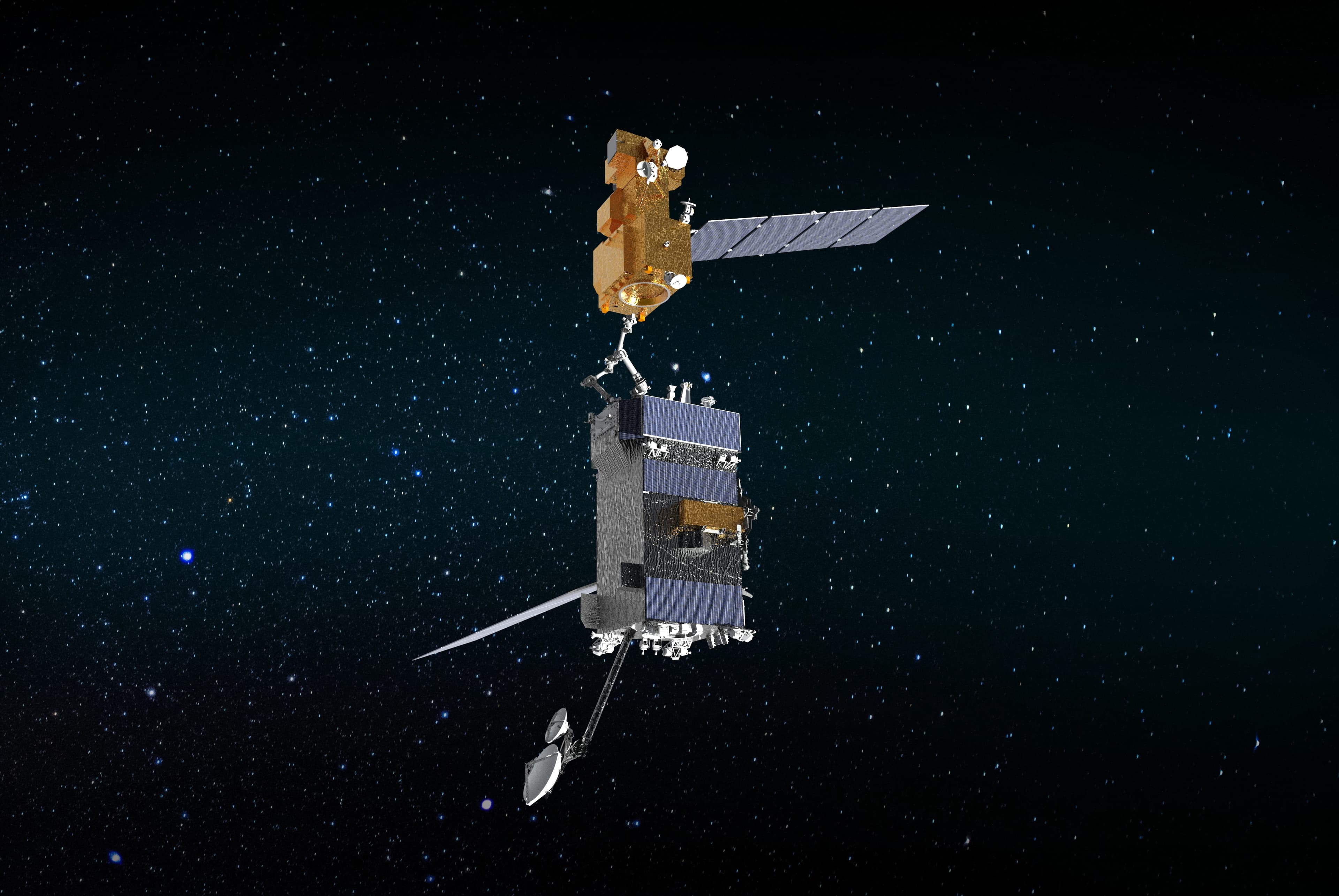
On-orbit Servicing, Assembly, and Manufacturing 1 (OSAM-1)
Announcement from NASA Headquarters: Pursuant to appropriations law, NASA notified Congress on Sep. 4, of the intent to cancel OSAM-1. The agency confirmed with the Committees on Appropriations that t
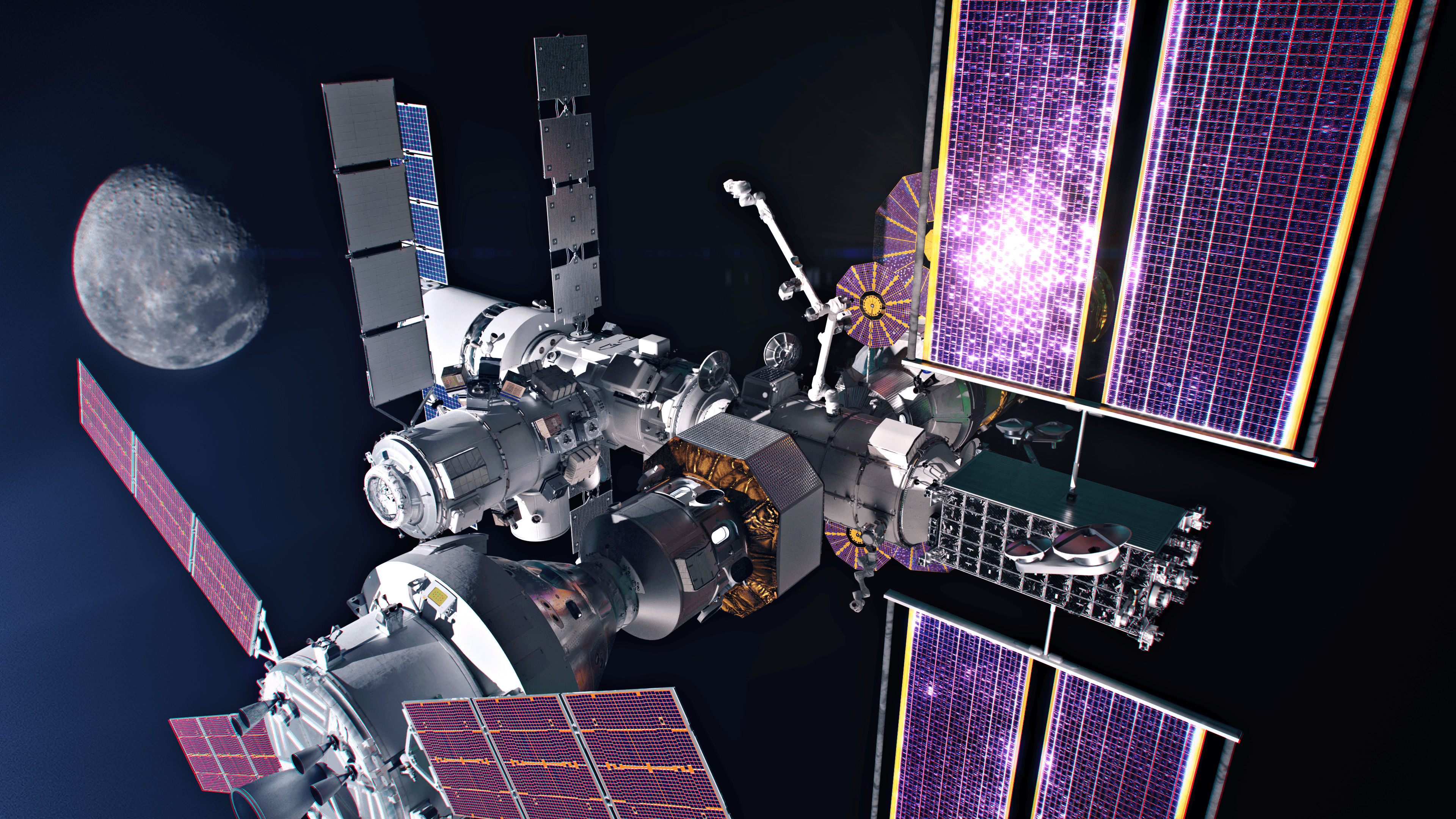
Gateway
International teams of astronauts will explore the scientific mysteries of deep space with Gateway, humanity’s first space station around the Moon.
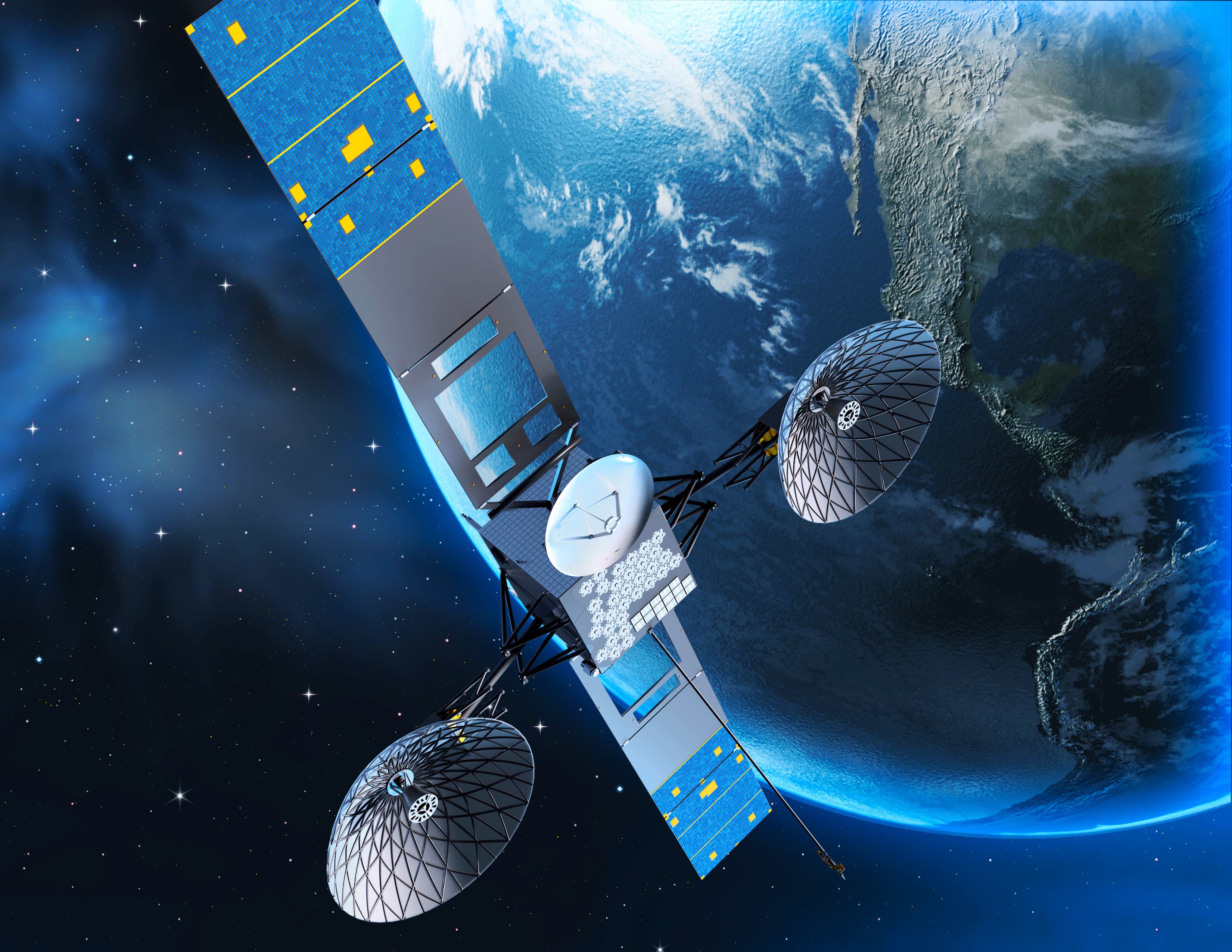
Tracking and Data Relay Satellites
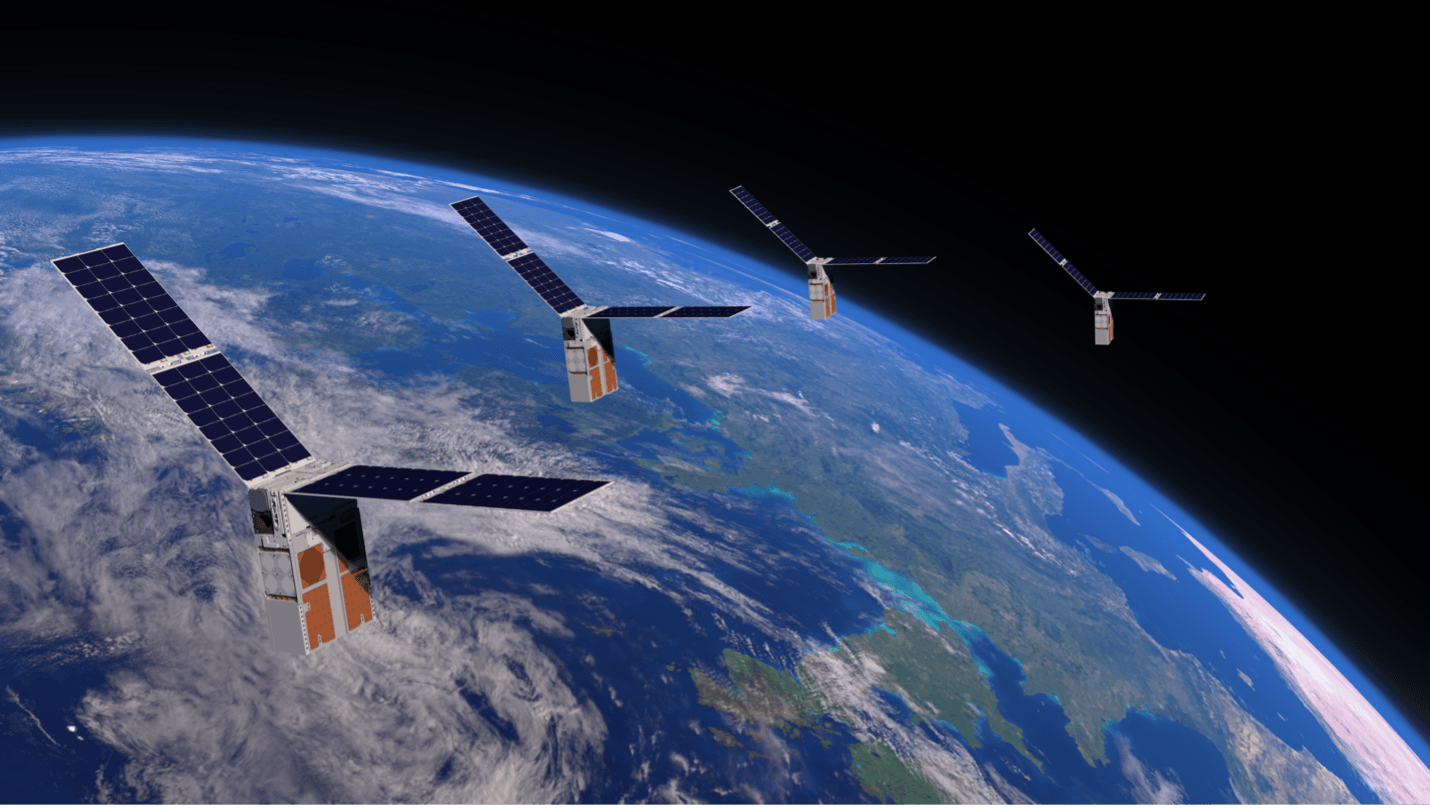
Starling
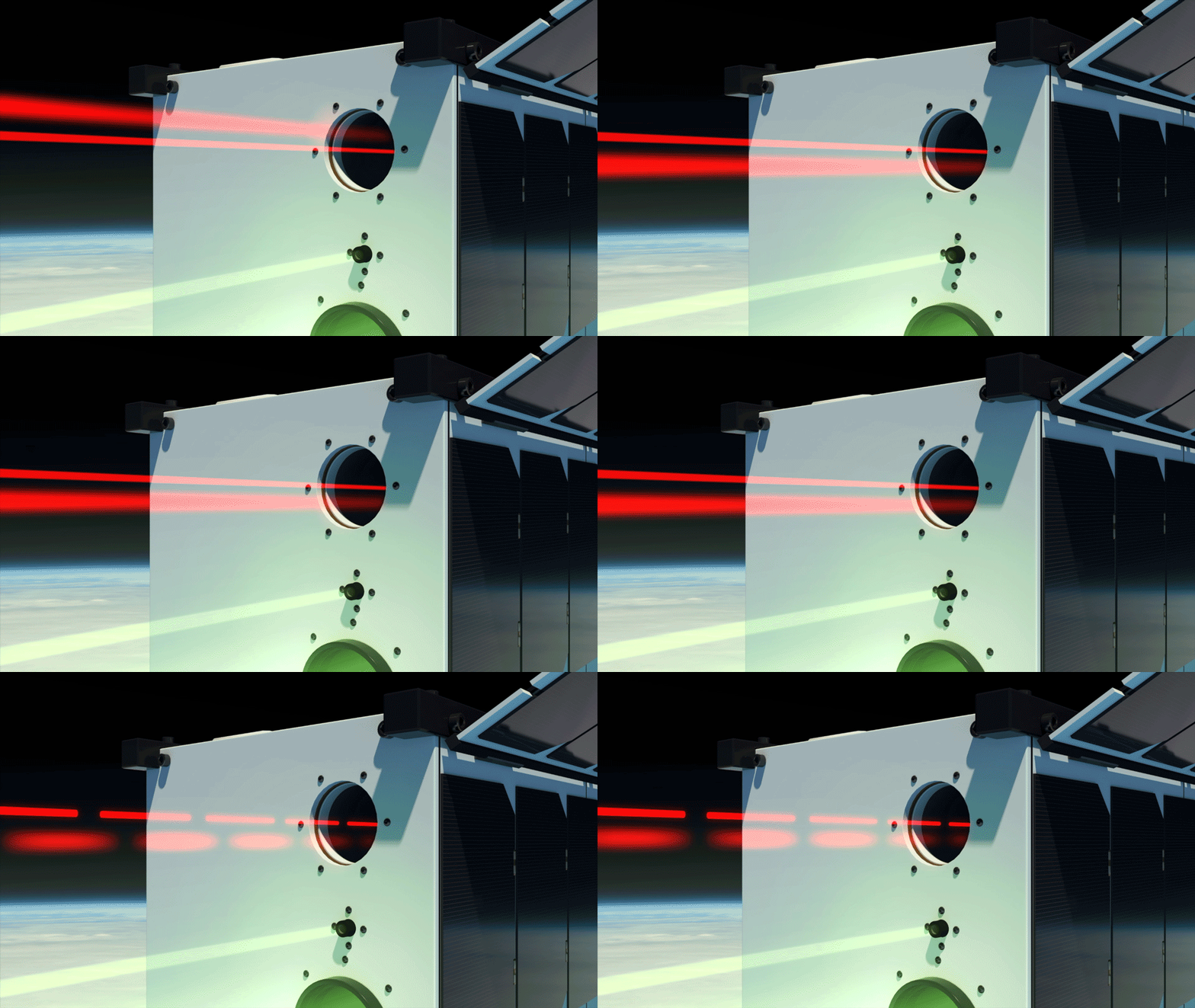
CubeSat Laser Infrared CrosslinK (CLICK)
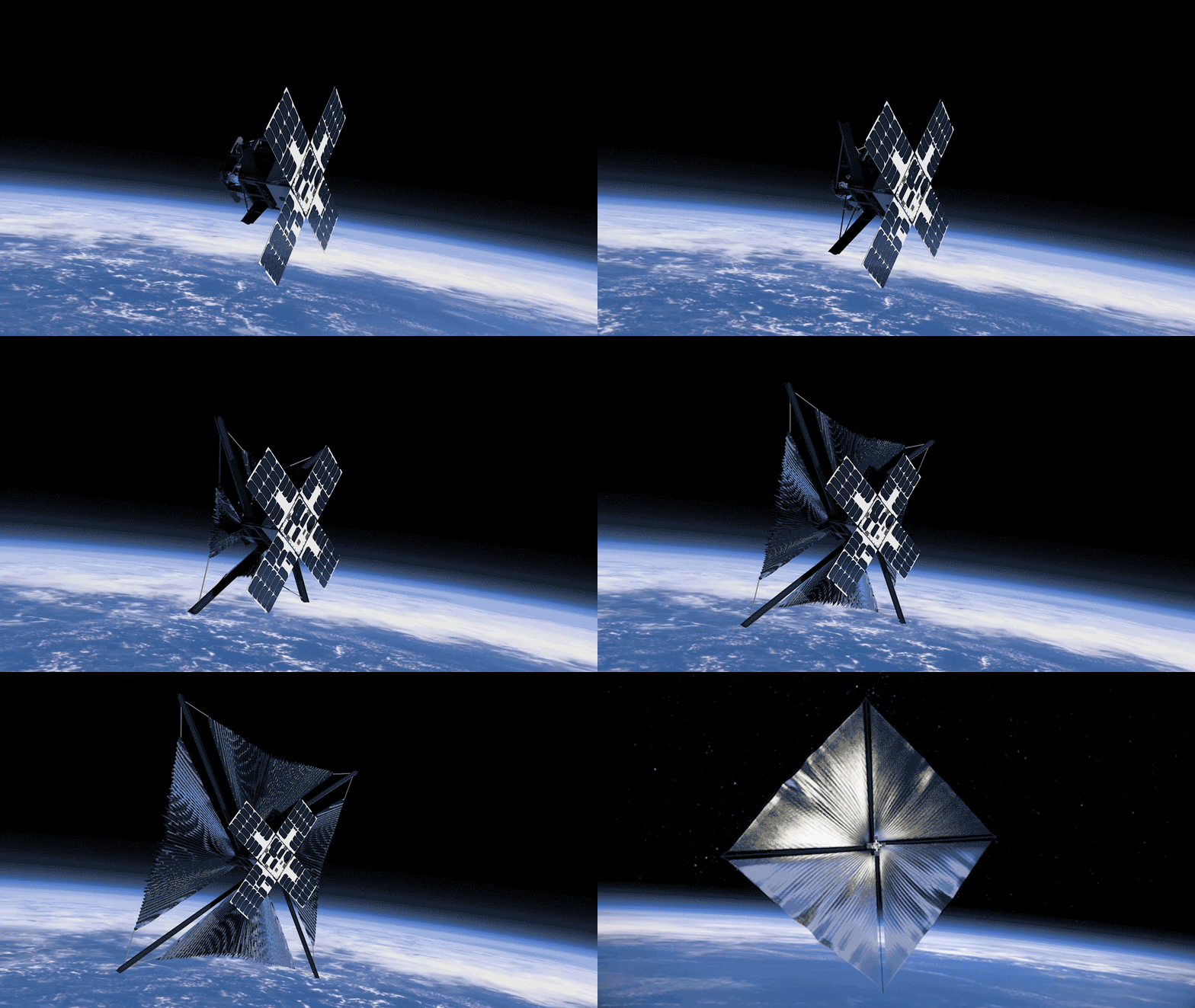
Advanced Composite Solar Sail System (ACS3)
Setting Sail to Travel Through Space: 5 Things to Know about our New Mission
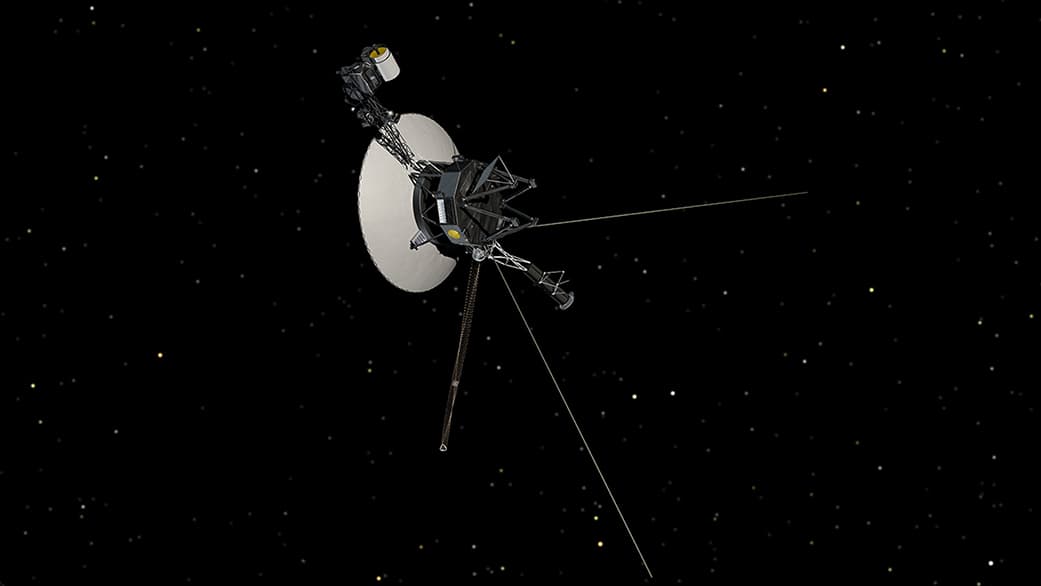
Voyager 1 and 2
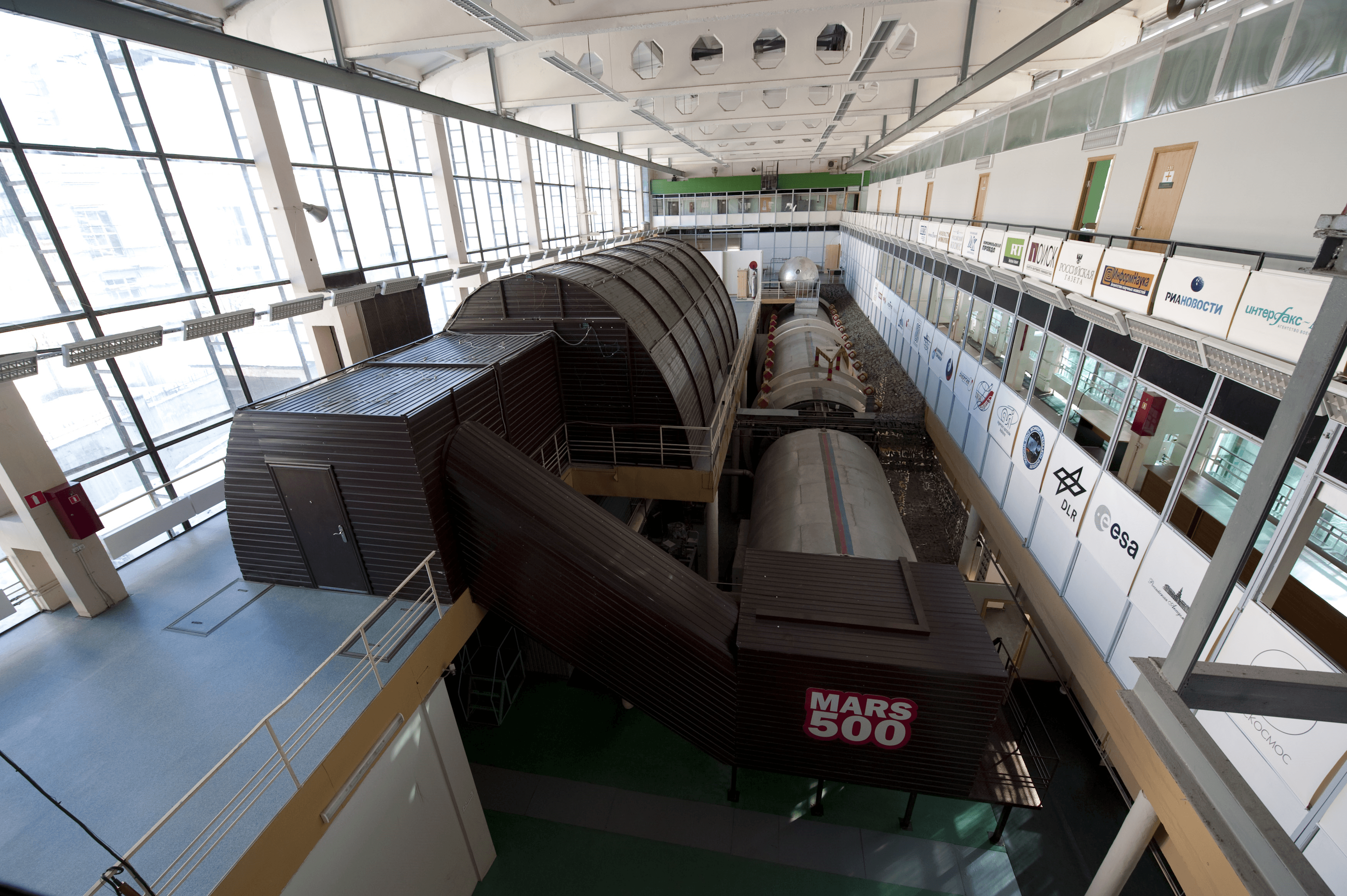
NEK and SIRIUS
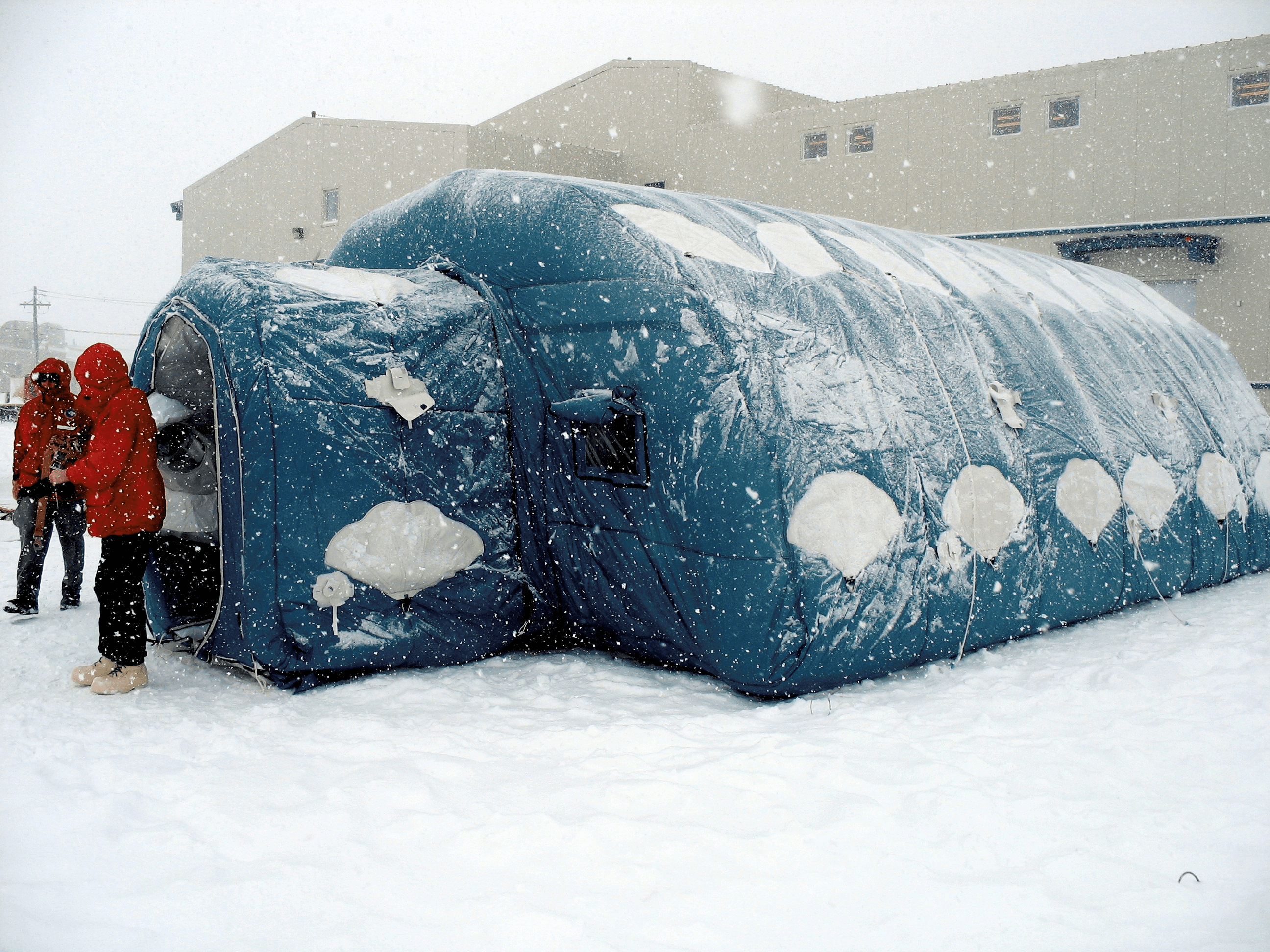
Antarctic Stations
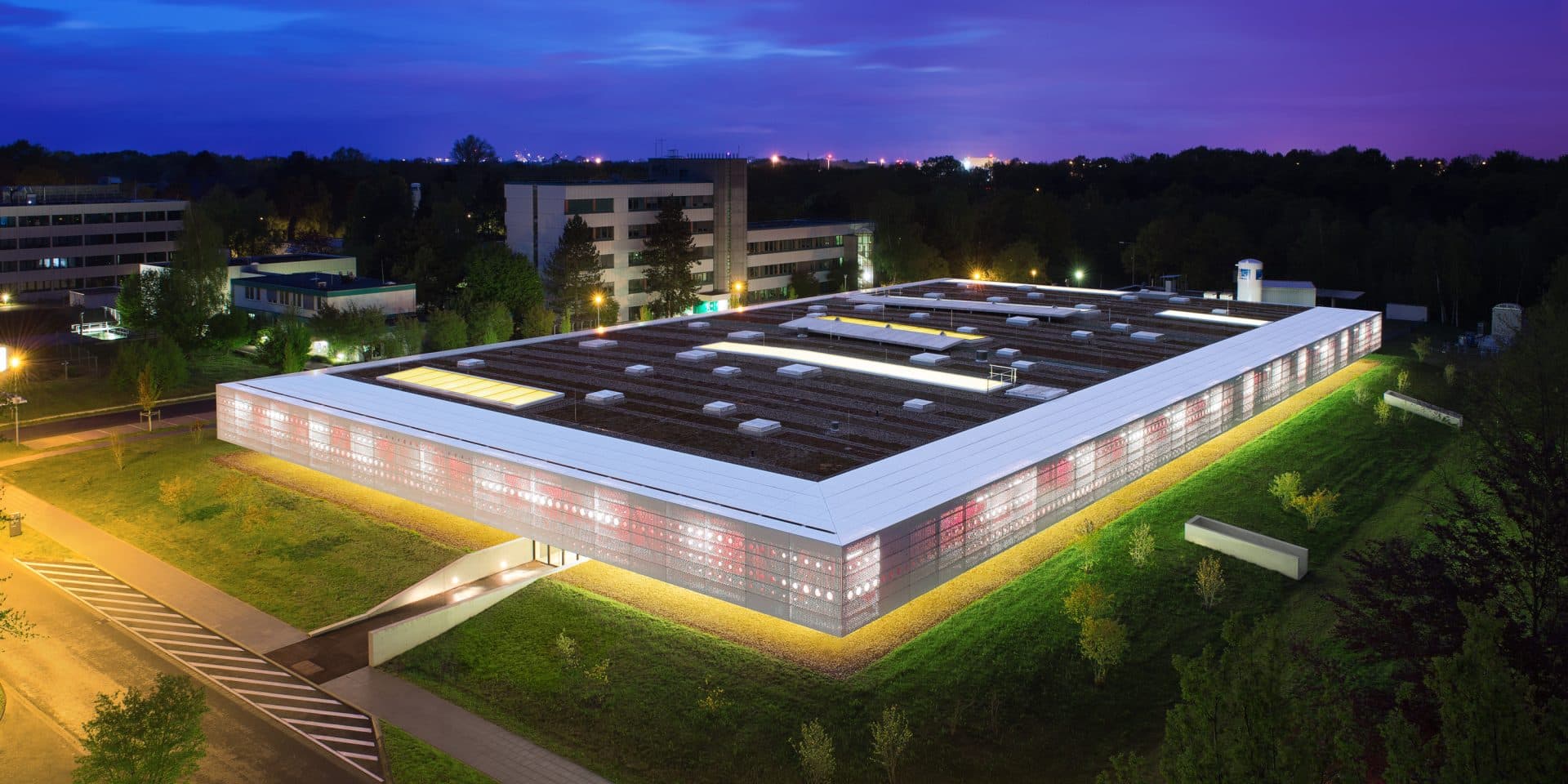
:envihab
Location: Cologne, Germany Purpose: Operated by the German Space Agency (DLR) Institute of Aerospace Medicine, :envihab (a combination of the words ‘environment’ and ‘habitat’) is a medical research f
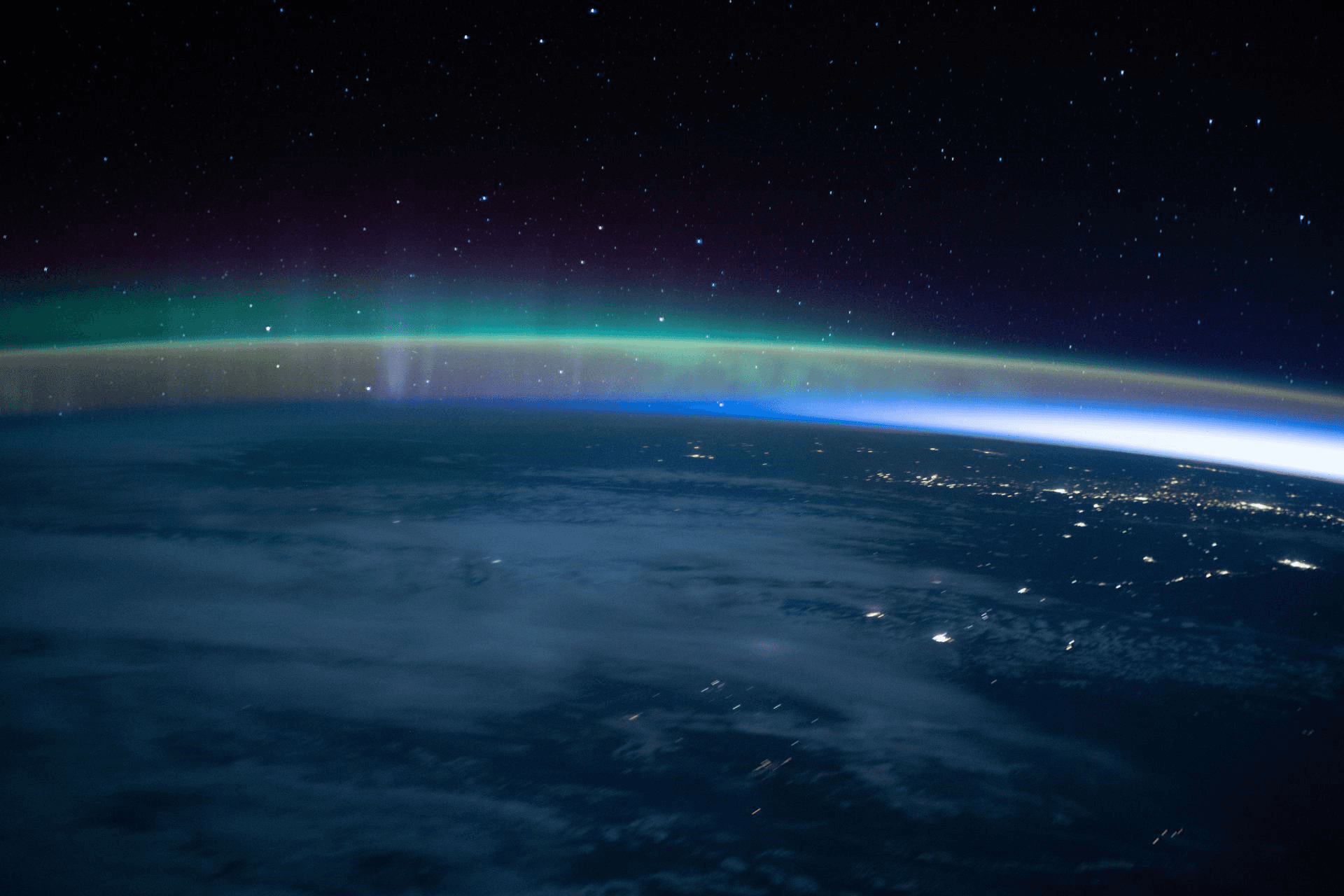
NASA Space Radiation Lab
Mission Overview Location: Upton, New York Environment: Laboratory Hazards Tested: Space radiation Description: The NSRL helps to assess many of the health risks associated with cosmic radiation. Befo
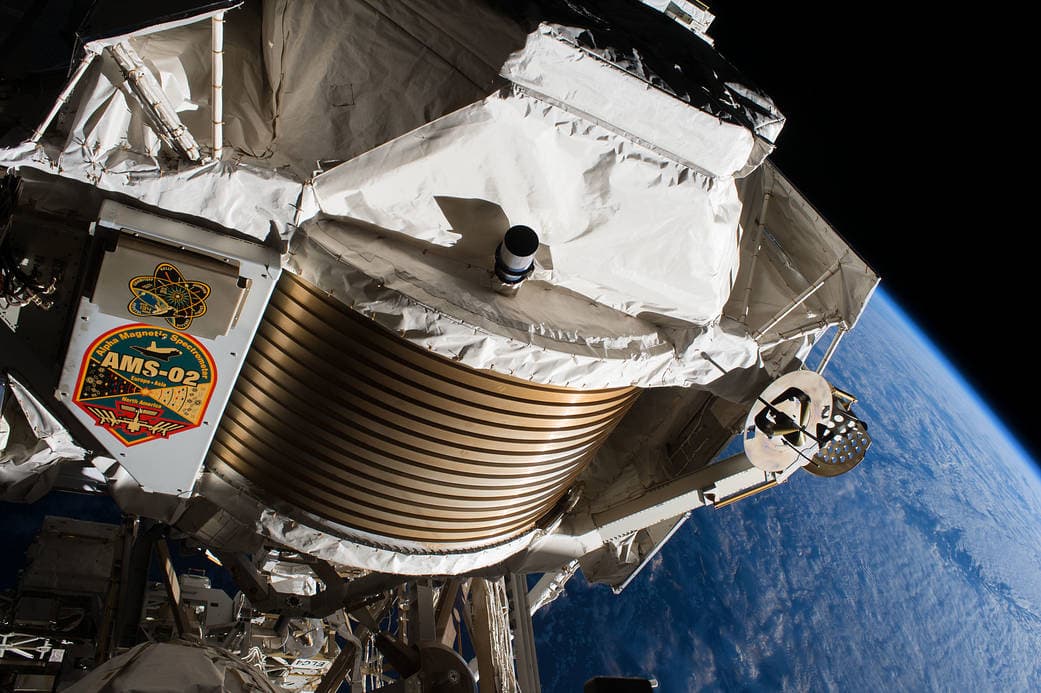
Alpha Magnetic Spectrometer
Orbiting the Earth at an altitude of 200 nautical miles, the AMS is pioneering a new frontier in particle physics research for the 21st century. Although the AMS is specifically looking for antimatter
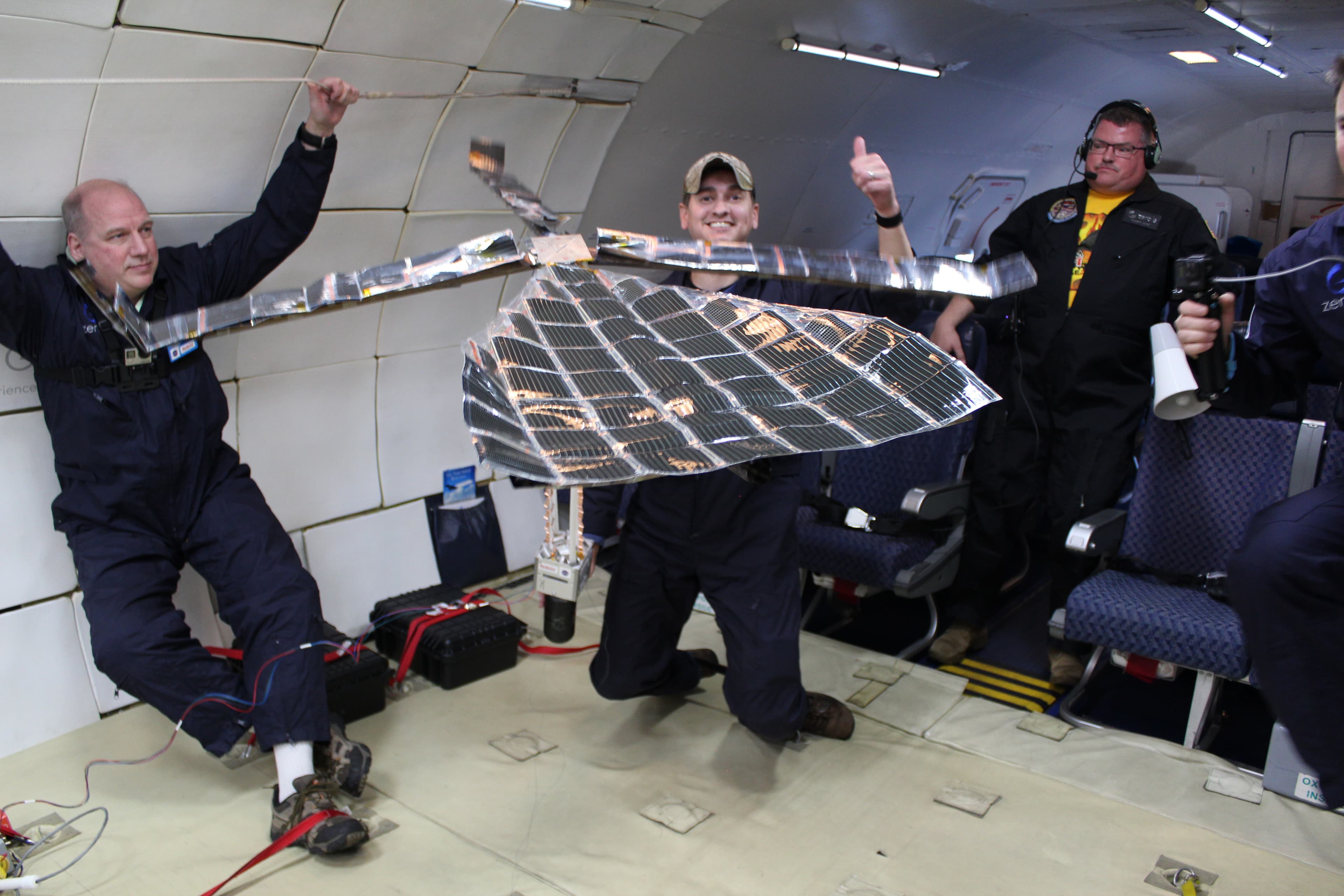
Pathfinder Technology Demonstrator (PTD)
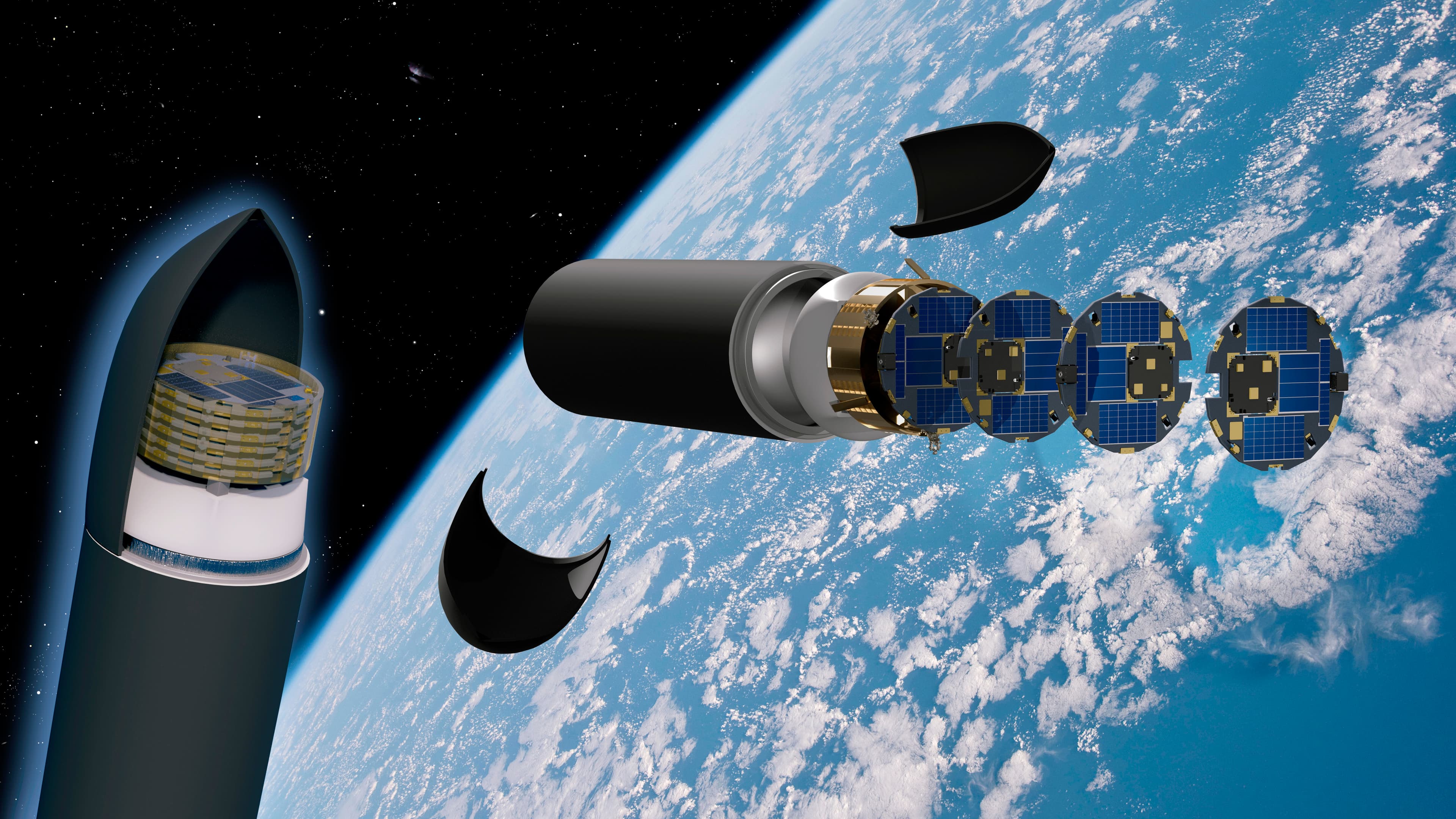
DiskSat
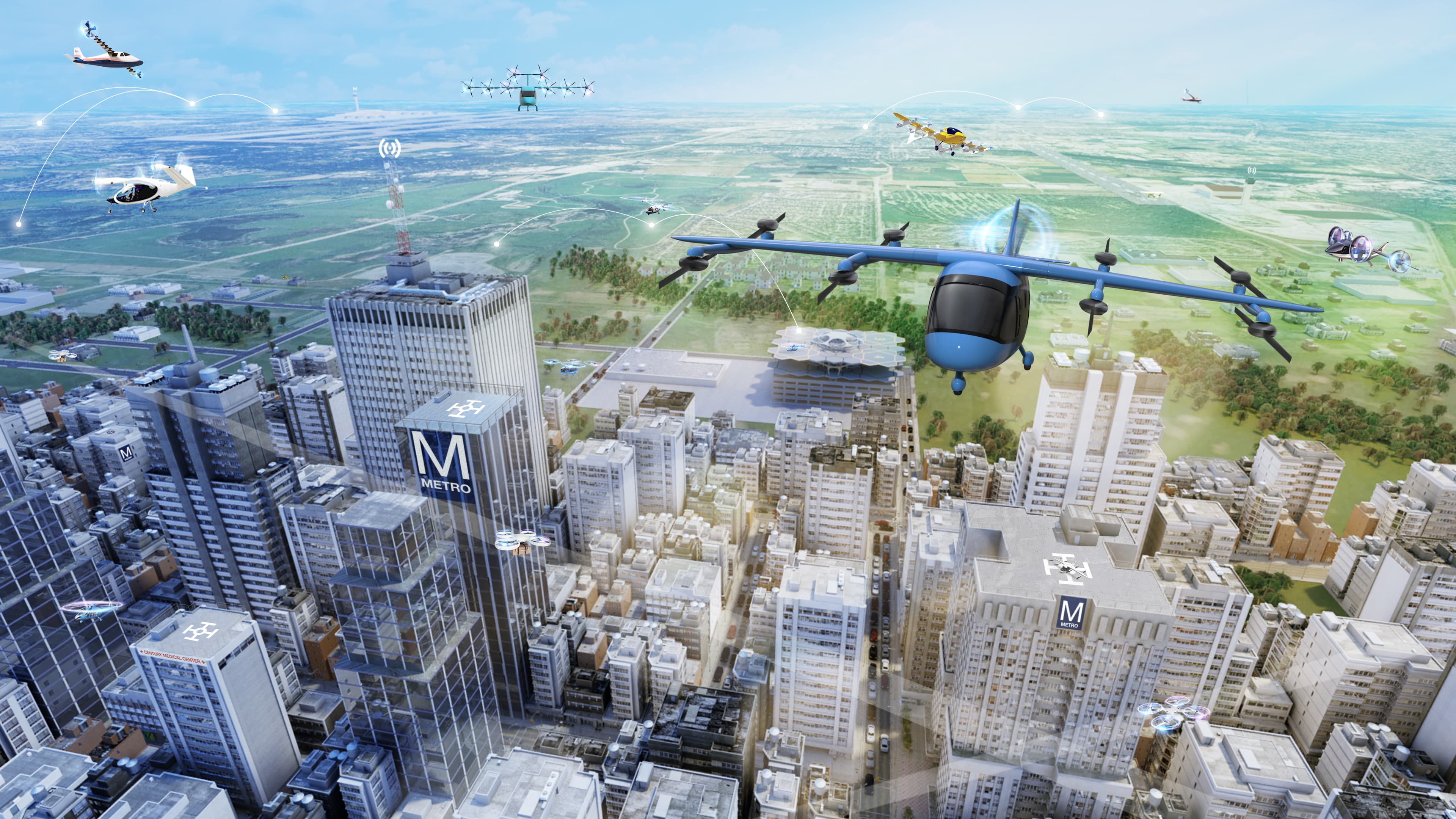
Advanced Air Mobility
NASA’s Advanced Air Mobility (AAM) research will transform our communities by bringing the movement of people and goods off the ground, on demand, and into the sky.

Artemis III
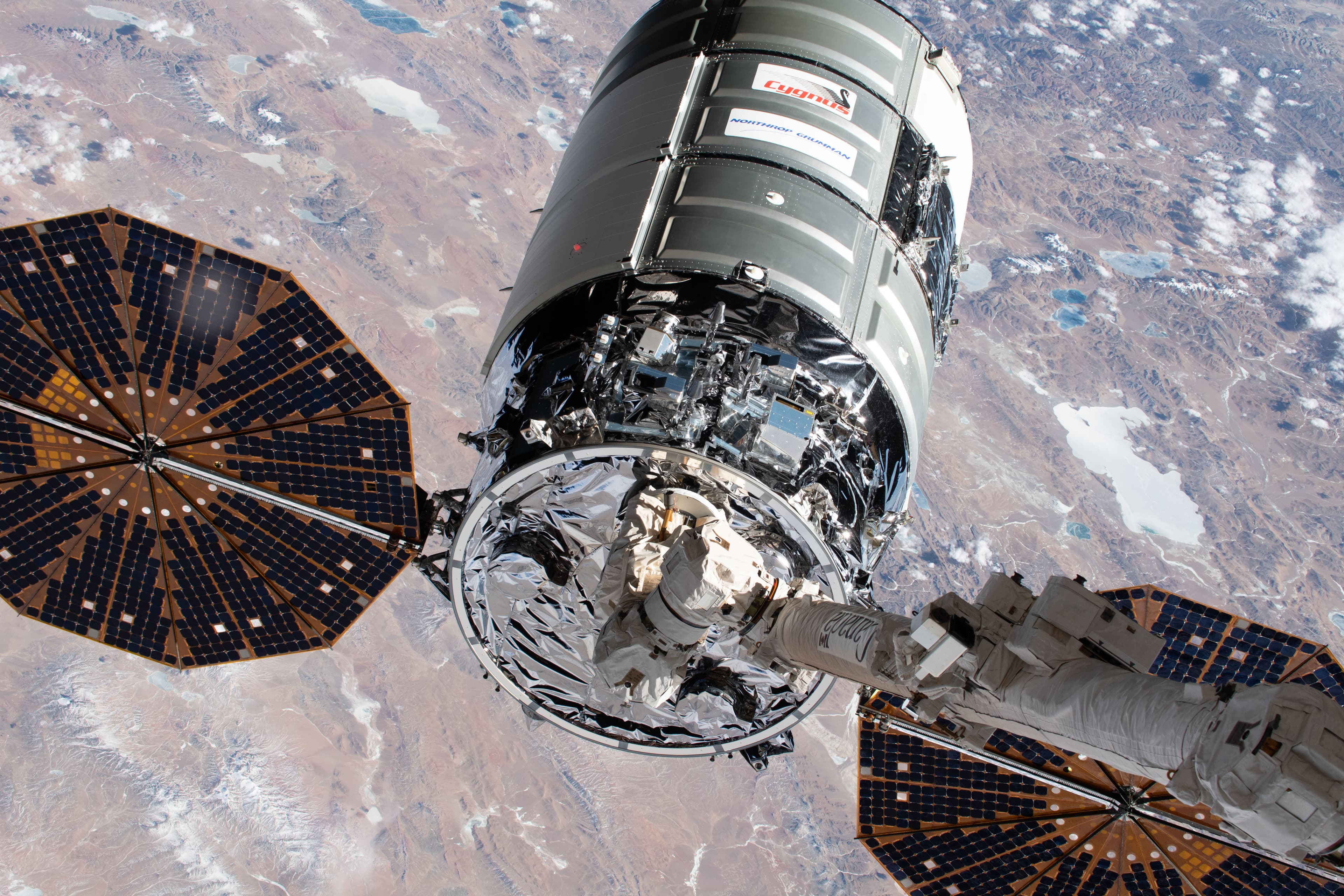
NASA’s Northrop Grumman CRS-21
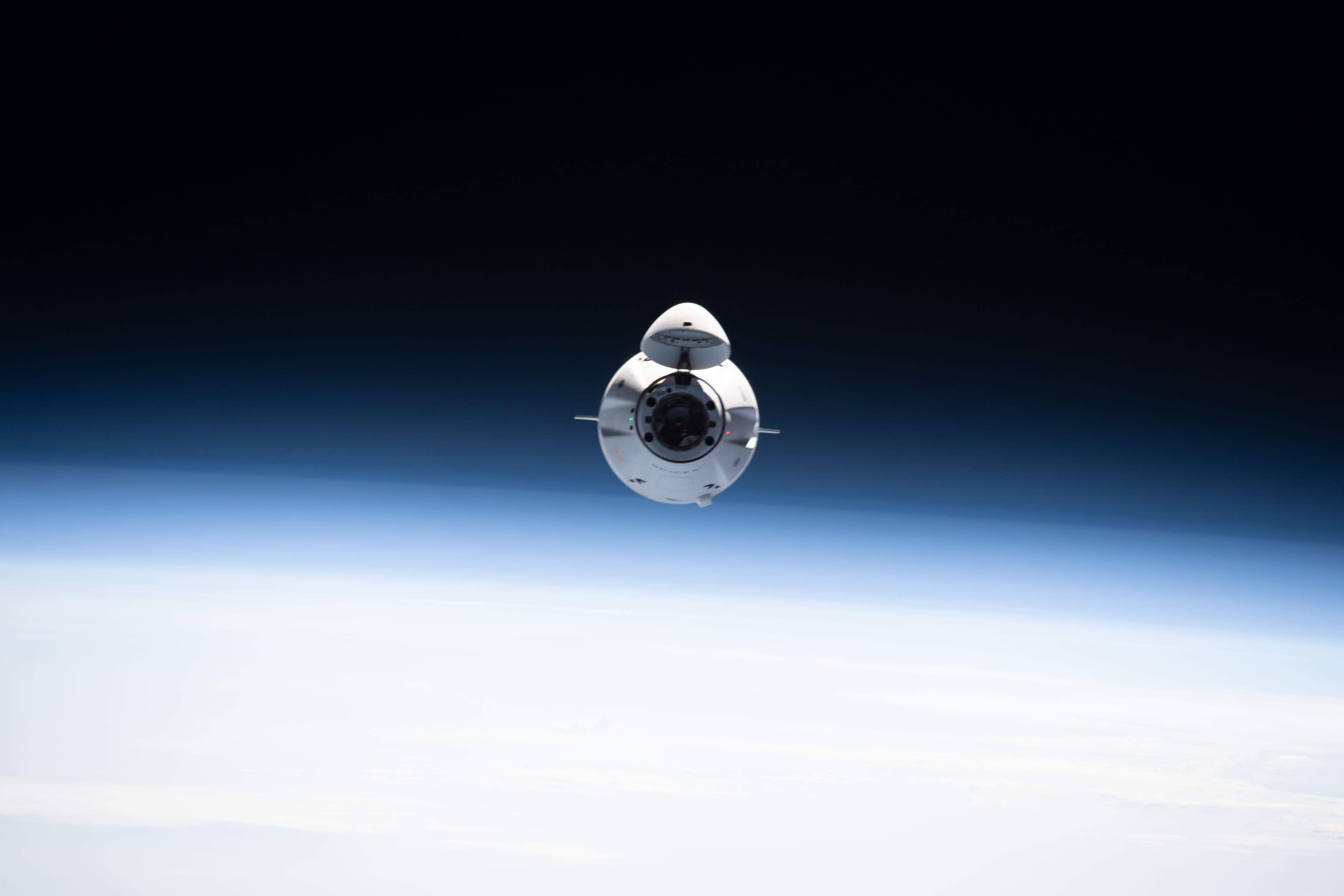
NASA’s SpaceX CRS-31
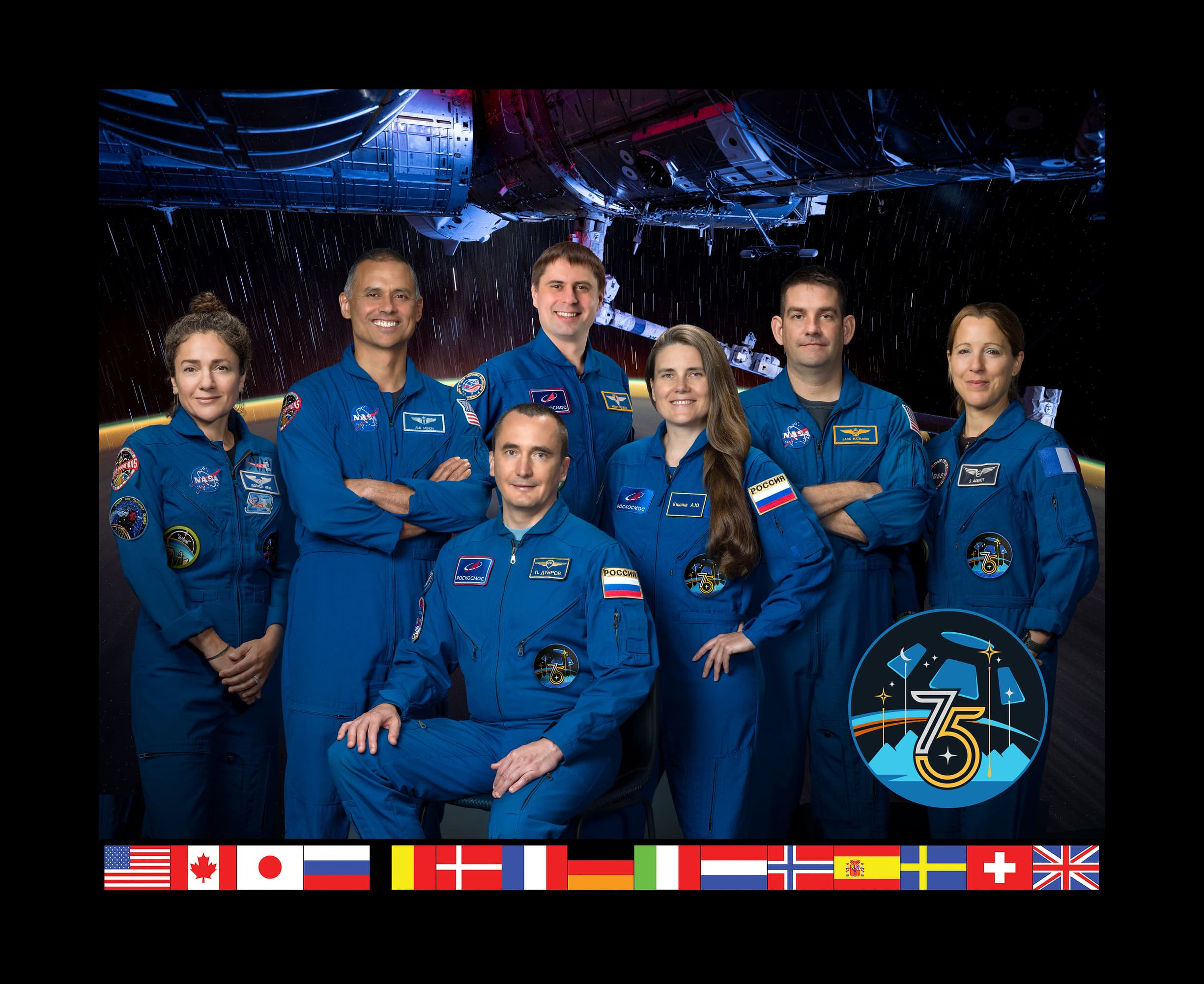
Expedition 75
Expedition 75 began on July 26, 2026, and will end in spring 2027. The crew will welcome the SpaceX Crew-13 mission in late summer while exploring in-space manufacturing techniques, augmented reality
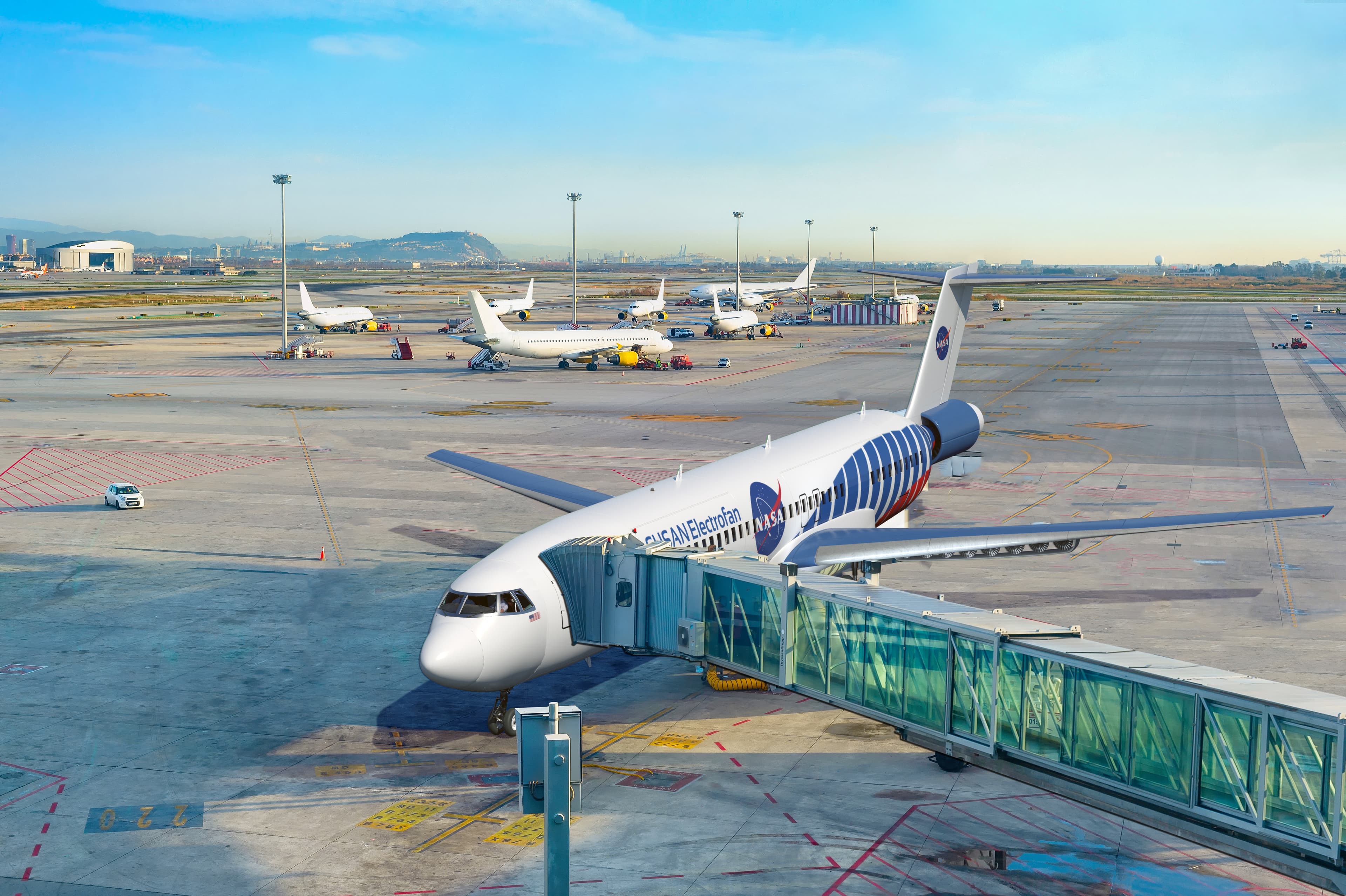
Electrified Aircraft Propulsion
NASA innovates new aviation technologies to enable the next generation of more efficient commercial air transportation.
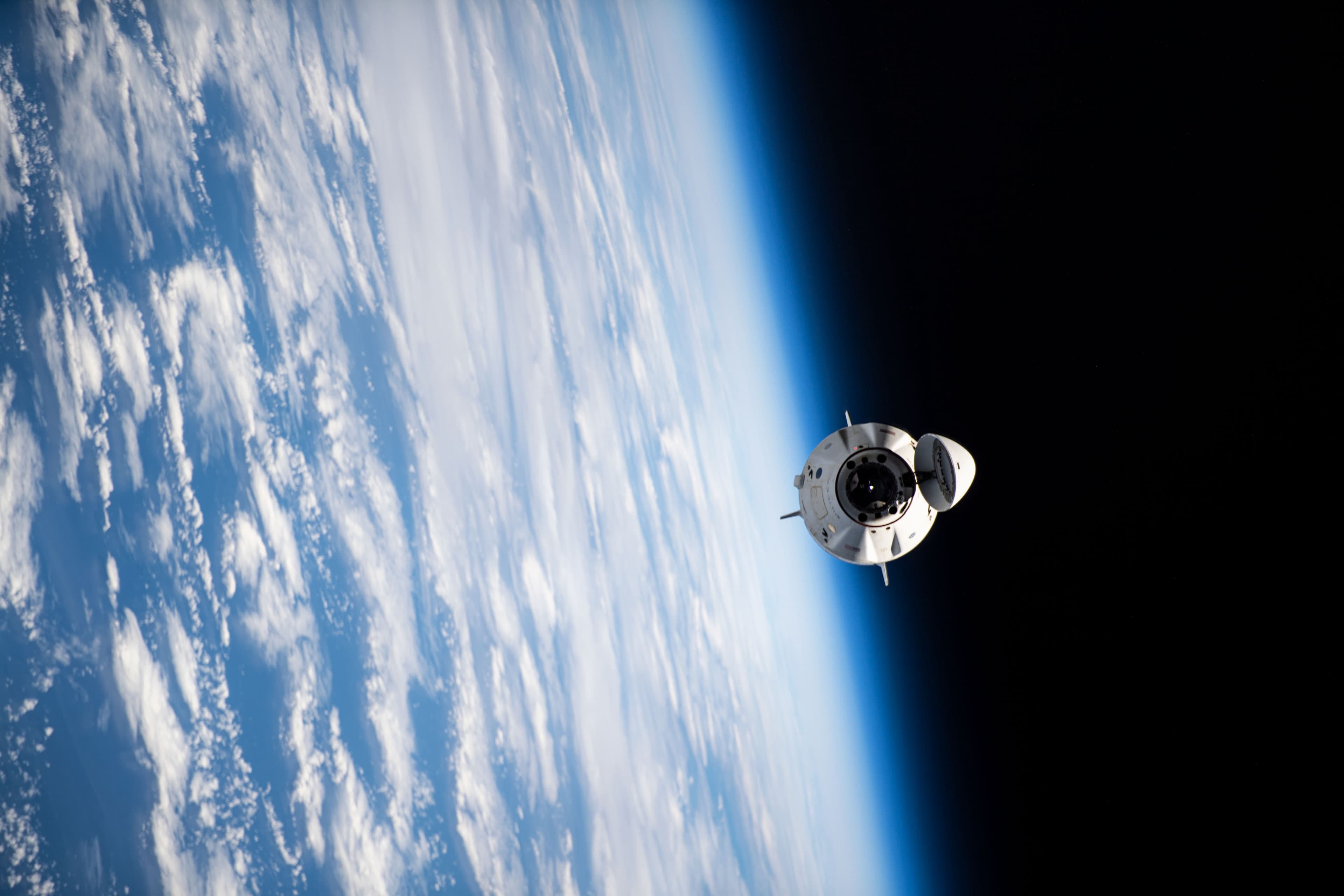
NASA’s SpaceX CRS-32
SpaceX’s 32nd commercial resupply services mission to the International Space Station will deliver science, supplies, and hardware to the orbiting laboratory for NASA.
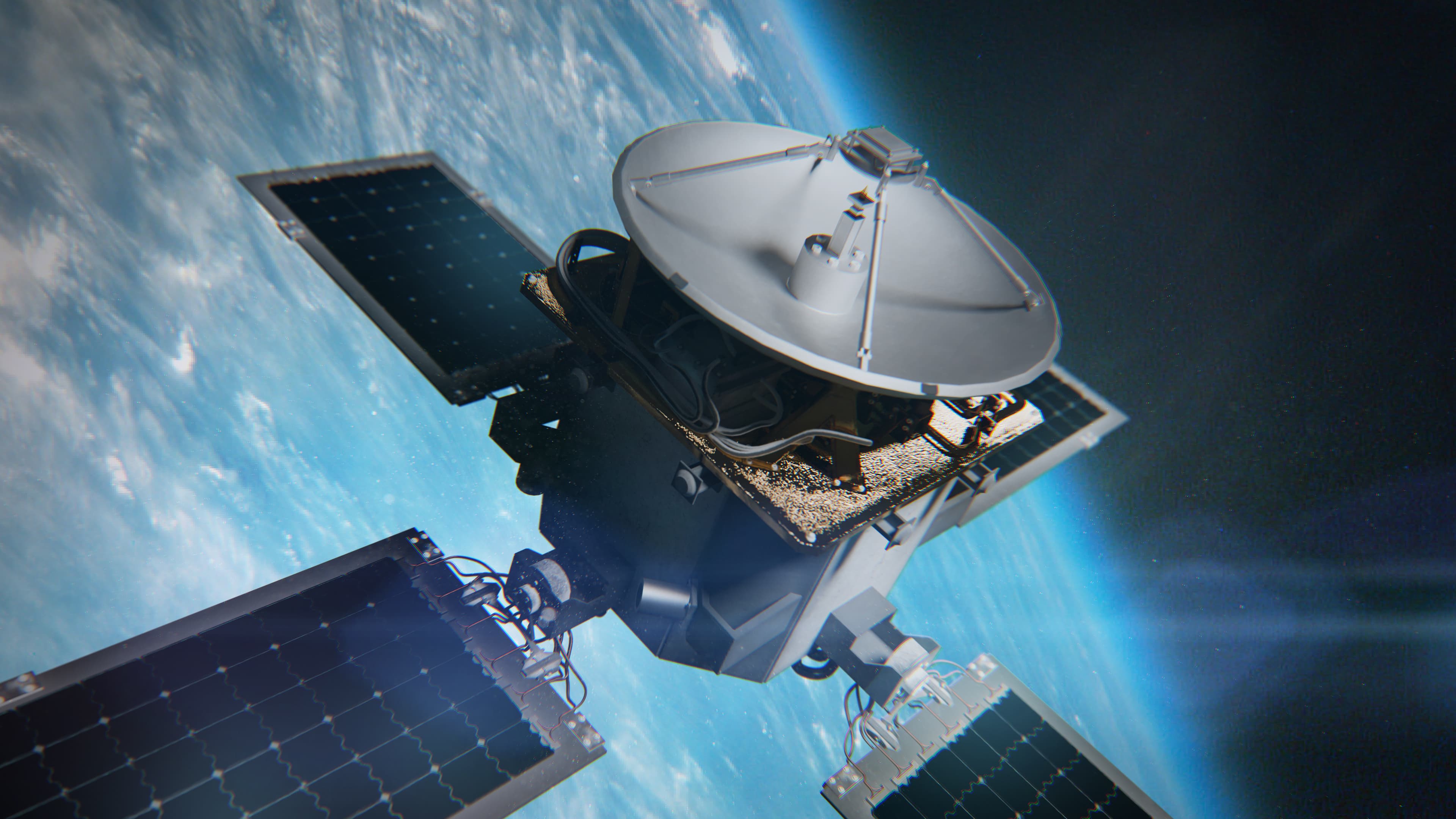
PExT
First-of-its-Kind Demonstration NASA missions rely on critical data exchanges to navigate, monitor spacecraft health, and transmit scientific information back to Earth. For almost 40 years, NASA has r
NASA’s Northrop Grumman CRS-23
Altitude Chambers
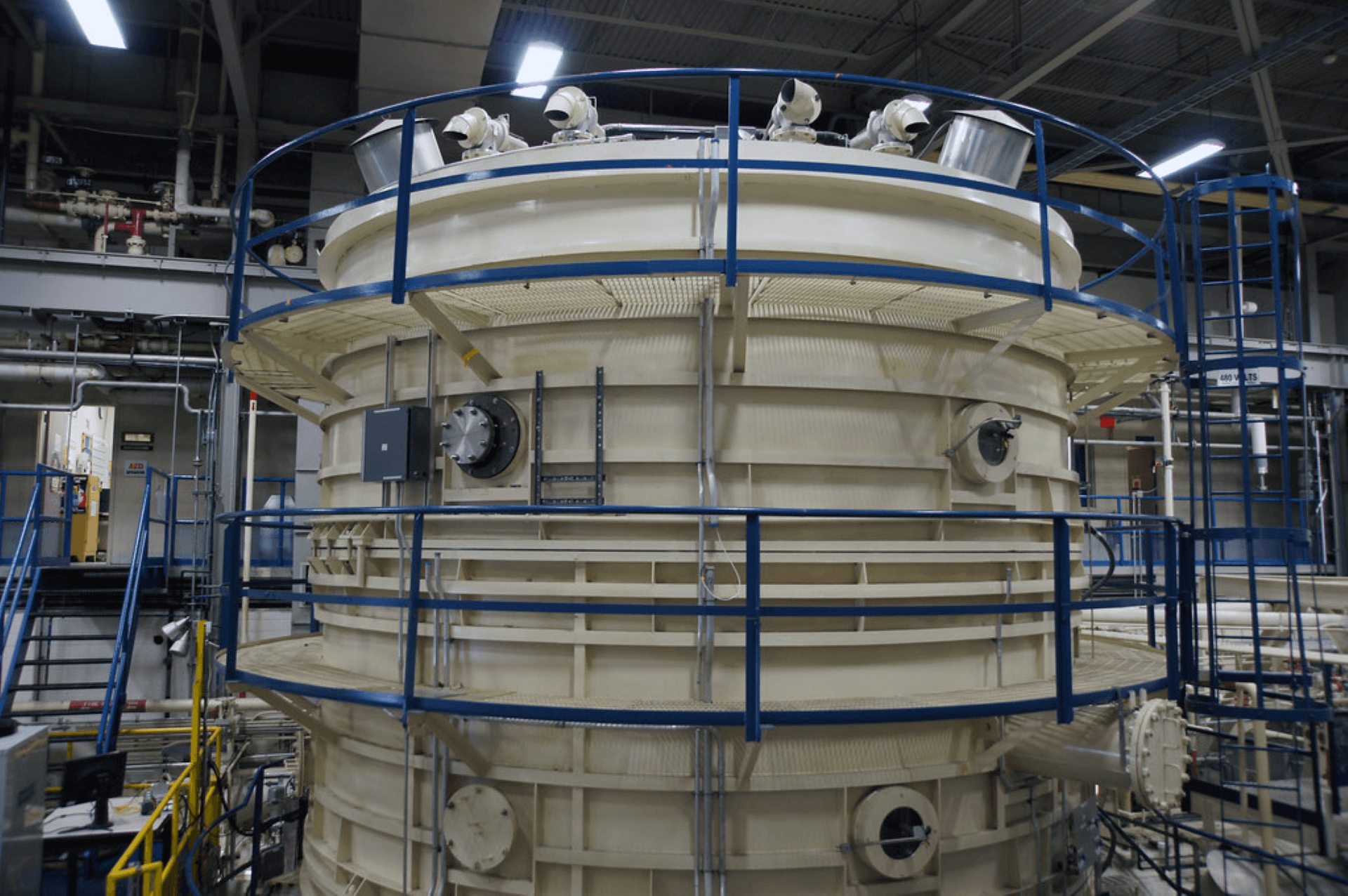
Location: NASA’s Johnson Space Center in Houston is the major site for this work. Purpose: Altitude chambers (more technically known as hypobaric chambers) allow scientists to test different protocols
NASA’s SpaceX Crew-12
The 13th flight of the SpaceX Dragon spacecraft with people as part of NASA’s Commercial Crew Program.
Artemis IV
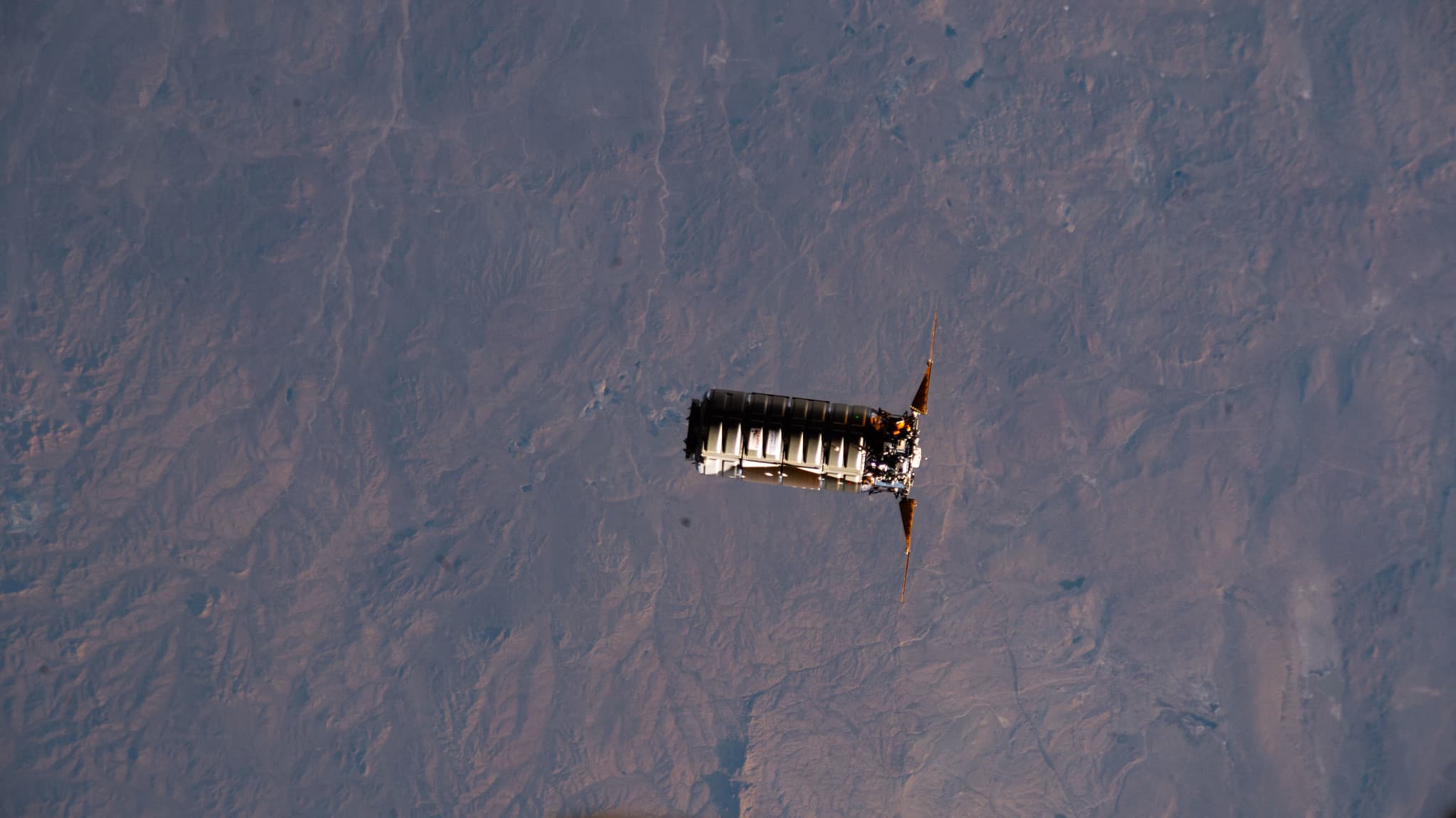
NASA’s Northrop Grumman CRS-24
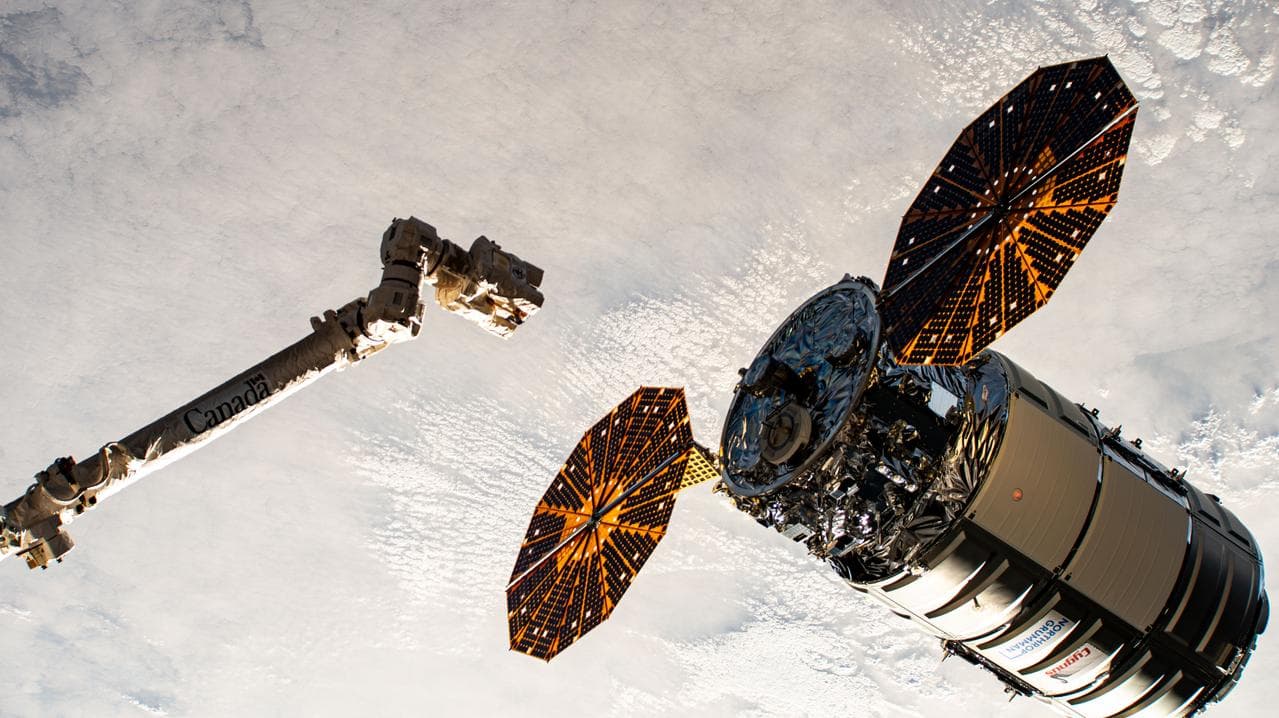
Northrop Grumman’s commercial resupply services mission to the International Space Station will deliver scientific research, crew supplies, and hardware to the orbiting laboratory for NASA. The missio

NASA’s SpaceX Crew-13
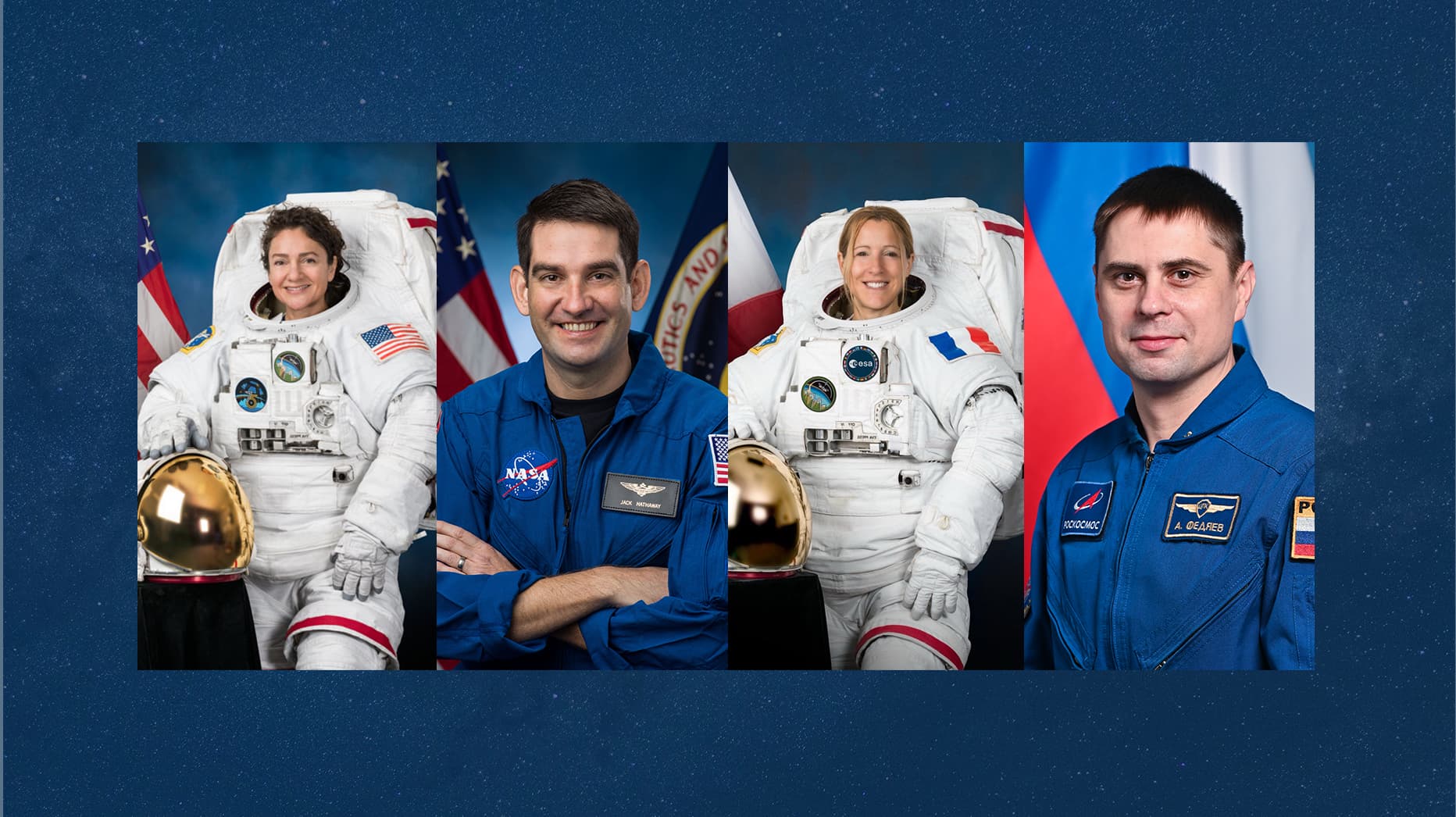
NASA’s SpaceX Crew-13 featuring NASA astronauts Jessica Watkins and Luke Delaney, CSA astronaut Joshua Kutryk, and Roscosmos cosmonaut Sergey Teteryatnikov.
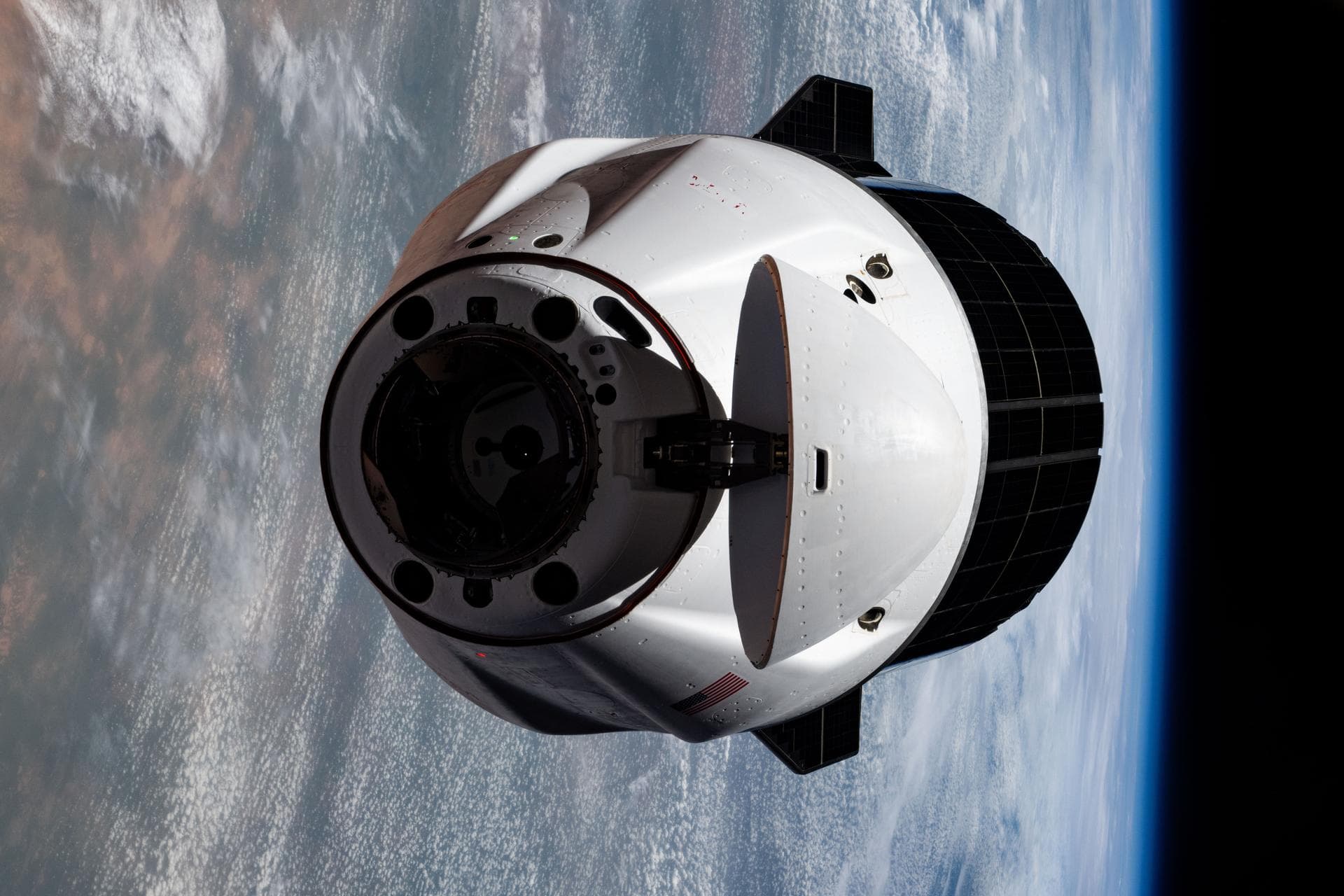
NASA’s SpaceX CRS-34
Space Reactor-1 Freedom
SR-1 Freedom Flight Path This mission is the first step in a deliberate sequence. It will inform and enable Lunar Reactor-1 (LR-1), a fission surface power system designed to keep NASA’s Moon Base ope
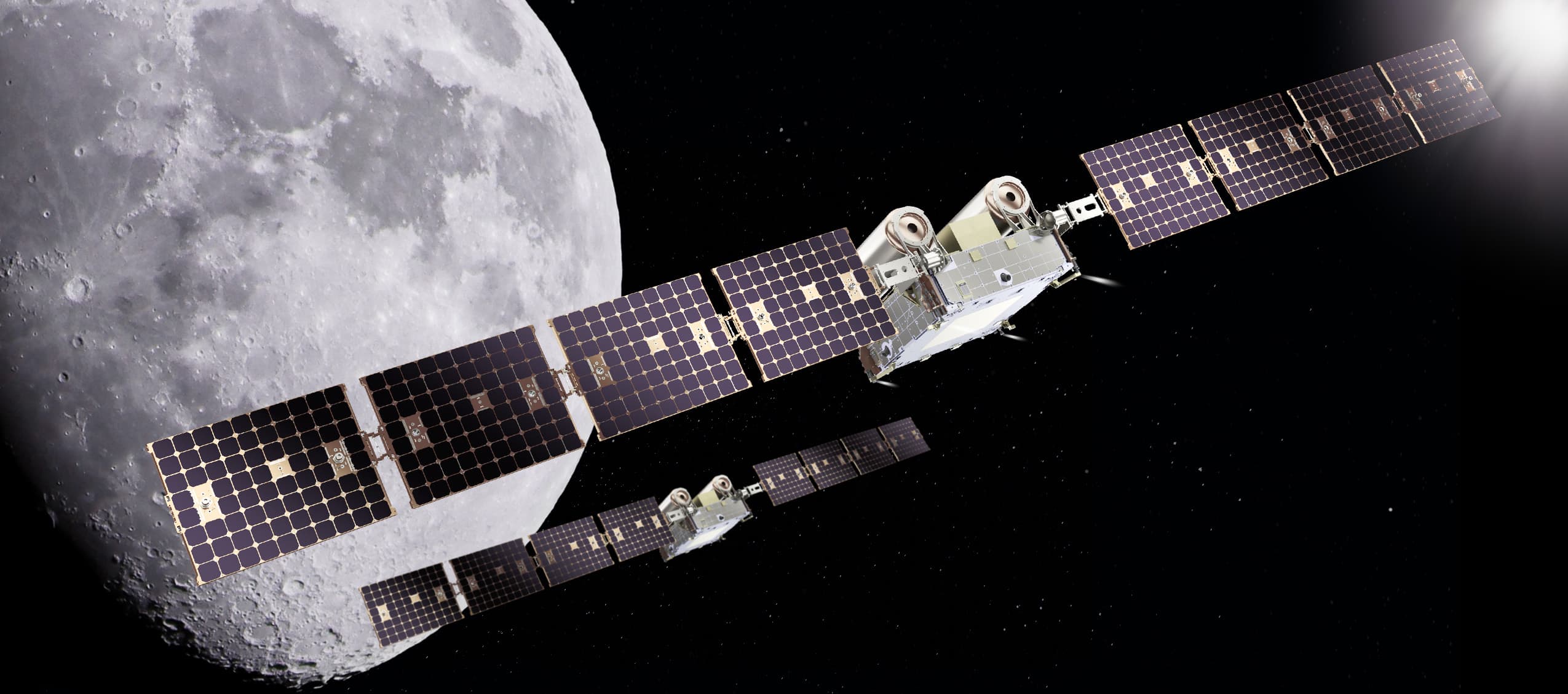
CAPSTONE 02