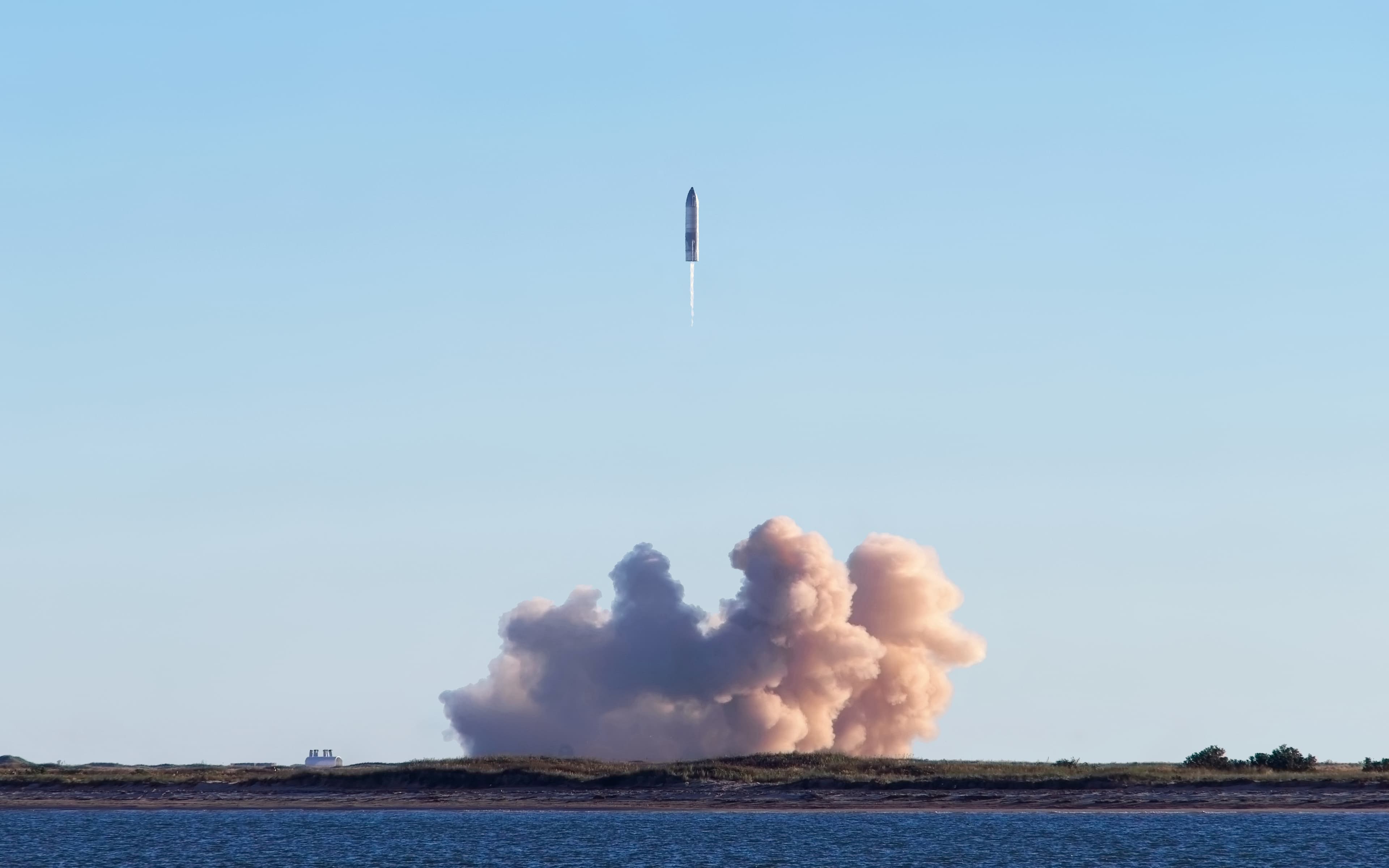
Starship is a two-stage, stainless-steel launch system: a Super Heavy booster powered by 33 Raptor engines, topped by the Starship upper stage that shares the vehicle's name. It is the largest and most powerful rocket ever built, and it is designed for both stages to be fully and rapidly reusable.
SpaceX flies Starship on an aggressive test campaign from Starbase in Texas, iterating in flight rather than on paper. In October 2024 the launch tower's mechanical arms caught a returning Super Heavy booster out of the air for the first time. NASA has also selected a Starship variant as the human landing system for Artemis missions to the Moon.
If full reuse works at this scale, Starship could cut the cost of reaching orbit by another order of magnitude and move cargo in tonnes rather than kilograms. It is central both to NASA's plan to land astronauts on the Moon and to SpaceX's long-term goal of settling Mars.
Key Facts
- Operator
- SpaceX
- Height
- About 121 m (full stack)
- Booster
- Super Heavy, 33 Raptor engines
- First integrated flight
- April 20, 2023
- Role
- Artemis lunar lander; future Mars transport
Timeline
April 2023
First integrated Starship and Super Heavy test flight
October 2024
Launch tower catches a returning Super Heavy booster
Next up
Continued test flights toward orbital reuse and refueling
Latest Starship News

Starbase, Louisiana: The Largest Private Spaceport in the World
SpaceX has unveiled plans for “Starbase, Louisiana,” described as the largest private spaceport in the… The post Starbase, Louisiana: The Largest Private Spaceport in the World appeared first on NASASpaceFlight.com.
Starship

SpaceX Introduces New Louisiana Starbase
SpaceX announced plans today to build a second Starbase, this one on the coast of Louisiana. All Starship launches to date have been from Starbase, TX. They will soon begin […]
Starship

Starbase’s future production capacity ramping up
A flurry of activity has been underway at the Starbase production site over the past… The post Starbase’s future production capacity ramping up appeared first on NASASpaceFlight.com.
Starship

Ship 41 Completes Engine Testing Ahead of Flight 14
While Ship 40 is preparing to be transported back to Starbase from Christmas Island, Ship… The post Ship 41 Completes Engine Testing Ahead of Flight 14 appeared first on NASASpaceFlight.com.
Starship

Stoke Space conducts second stage fit checks, completes first stage engines ahead of Nova debut
While Starship is grabbing headlines, another fully reusable vehicle is advancing towards a potential 2026… The post Stoke Space conducts second stage fit checks, completes first stage engines ahead of Nova debut appeare
Starship

Ship 40 arrives at Christmas Island, Plans Return to Starbase
SpaceX has successfully guided Starship Ship 40 to a location just off the coast of… The post Ship 40 arrives at Christmas Island, Plans Return to Starbase appeared first on NASASpaceFlight.com.
Starship

Bulgaria advances project to launch new space, defense innovation hub
WARSAW, Poland — Bulgaria’s government has approved a draft memorandum of understanding with local company Starbase Europe to collaborate on the development of a new space and defense innovation hub […] The post Bulgaria
Starship

Starbase Production lining up future vehicles
At SpaceX’s Starbase production site, teams are progressing multiple Starship vehicles through the Production Site… The post Starbase Production lining up future vehicles appeared first on NASASpaceFlight.com.
Starship
Next Starship Will Deliver Operational V3 Starlinks to Orbit, Maybe Catch Ship
During its first earnings call since going public, SpaceX officials said today the next Starship test flight, IFT-14, will put operational Starlink Version 3 satellites into orbit. If they get […]
Starship

SpaceX to begin Starship orbital flights
SpaceX plans to start deploying upgraded Starlink satellites into orbit on the next flight of its Starship vehicle, scheduled for as soon as the end of the month. The post SpaceX to begin Starship orbital flights appeare
Starship

Starship Soars as SpaceX Looks to AI
SpaceX’s colossal Starship launch vehicle lifted off July 24th from the company’s launch facility in South Texas on its thirteenth integrated flight test.
Starship

Starbase Pad 1 Retrofits Progress as Block 3 Flights Start
While SpaceX has now flown two flights out of the newly designed Pad 2, crews… The post Starbase Pad 1 Retrofits Progress as Block 3 Flights Start appeared first on NASASpaceFlight.com.
Starship
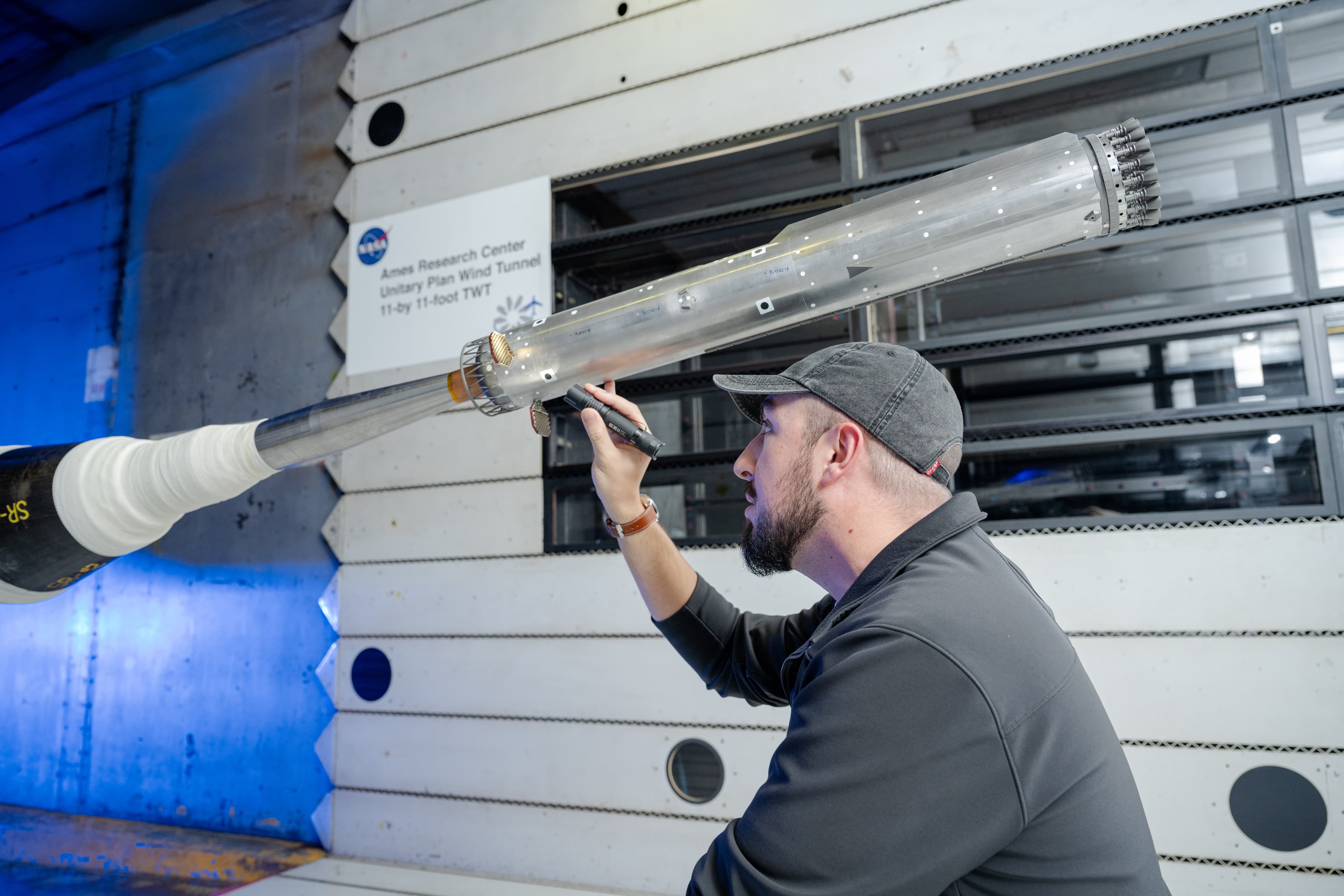
NASA, SpaceX Advance Wind Tunnel Tests for Starship Rocket
NASA and its industry partners are preparing for next year’s Artemis III demonstration mission by completing new wind tunnel tests on SpaceX’s Super Heavy Version 3 rocket booster. The tests, conducted at NASA’s Ames Res
Artemis
Starship

Ship 40’s flawless flight promotes next mission catch potential
SpaceX’s Starship Flight 13 demonstrated that the Ship can complete its mission and return intact,… The post Ship 40’s flawless flight promotes next mission catch potential appeared first on NASASpaceFlight.com.
Starship

Despite recent successes, rapid reuse of Starship remains a tough nut to crack
NASA has not made substantial investments in thermal protection research for decades.
Starship

Successful Flight for Starship IFT-13
The 13th Integrated Flight Test of SpaceX’s Starship system, IFT-13, was mostly a success. One week after the launch was scrubbed at the last moment because of engine failures, and […]
Starship
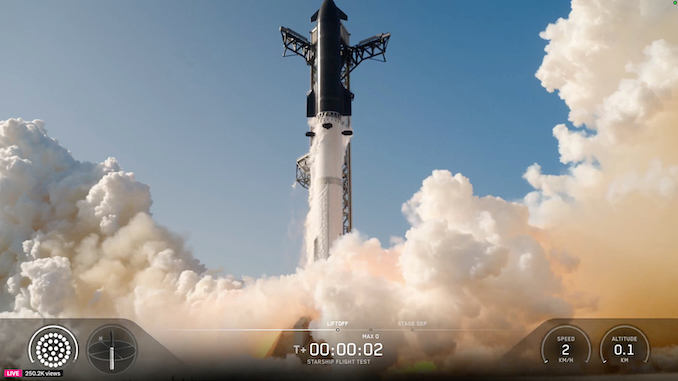
Super Heavy-Starship rocket chalks up mostly successful test flight
Powered by 33 methane-fueled Raptor engines, the 397-foot-tall two-stage rocket blasted off from SpaceX's "Starbase," Texas, launch site at 5:51 p.m. EDT, putting on a spectacular show for area residents and tourists as
Starship

SpaceX conducts 13th Starship test flight
SpaceX launched Starship on its 13th suborbital test flight July 24, correcting some of the issues seen on the previous flight while deploying functioning satellites for the first time. The post SpaceX conducts 13th Star
International Space Station
Starship
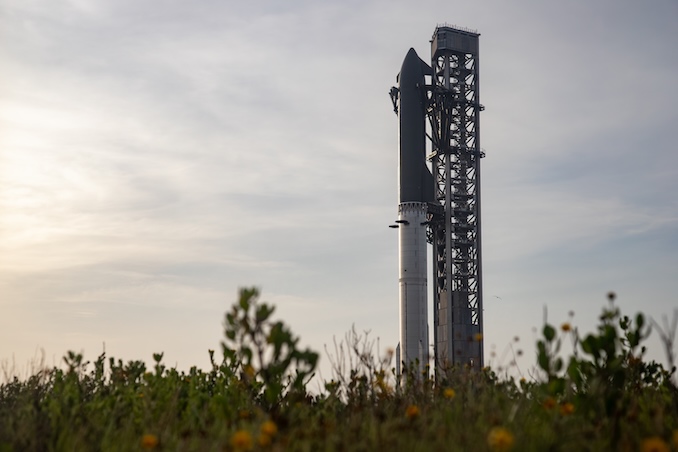
Live coverage: SpaceX ready for 2nd attempt to launch Starship Flight 13 following post-abort engine work
The flight comes as Tropical Storm Bertha is expected to make landfall in Texas on Thursday. Liftoff of the Starship Flight 13 mission is scheduled during a 90-minute window that opens at 5:45 p.m. CDT (6:45 p.m. EDT / 2
Starship

Path to Starship Flight 13 requires additional Booster 20 test
SpaceX continues to target no earlier than Thursday, July 23, for the next attempt to… The post Path to Starship Flight 13 requires additional Booster 20 test appeared first on NASASpaceFlight.com.
Starship

Making Progress: Relativity’s Terran R, Rocket Lab’s Neutron, and PLD Space’s Miura 5
While the focus of late has been on Starship’s test program, three companies developing new… The post Making Progress: Relativity’s Terran R, Rocket Lab’s Neutron, and PLD Space’s Miura 5 appeared first on NASASpaceFligh
Starship
Facts last reviewed 2026-07-12. Official mission page: spacex.com