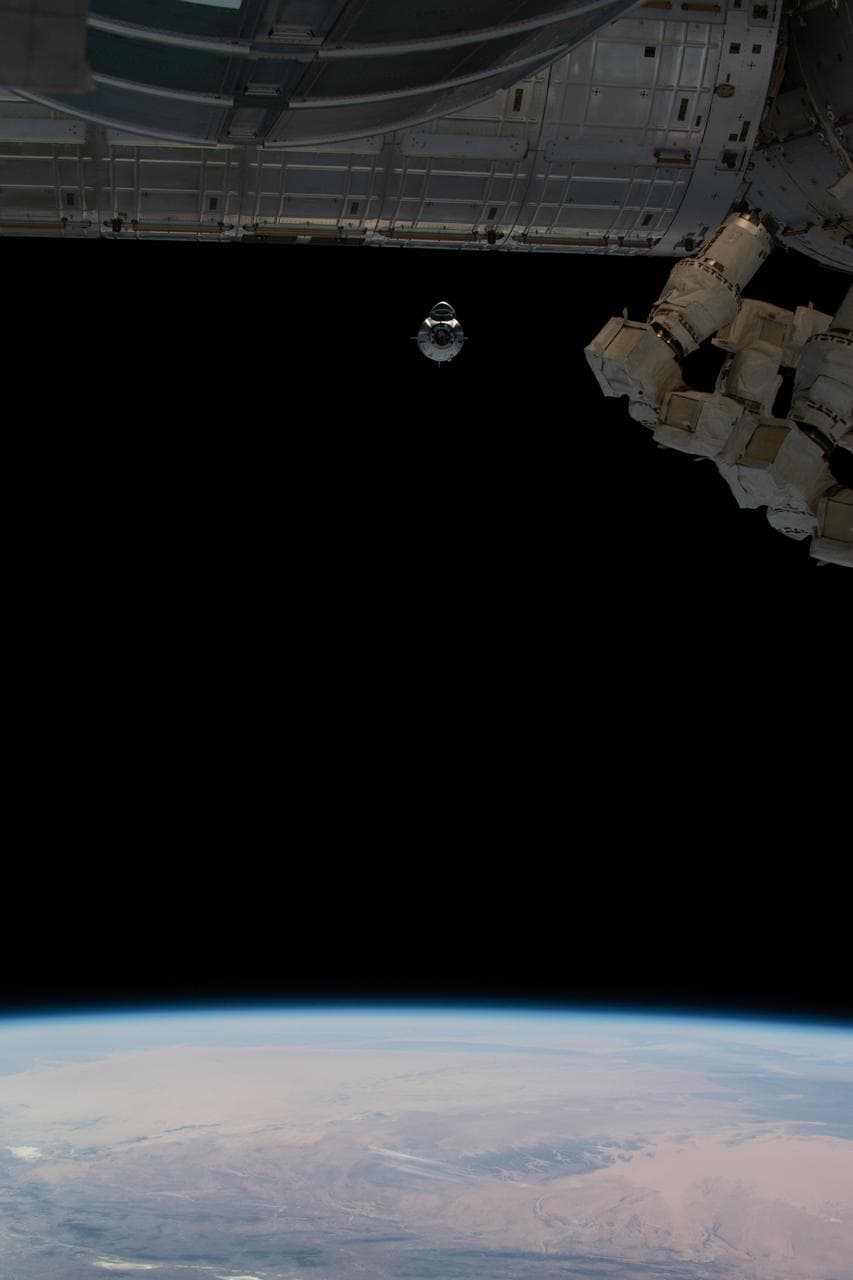
The Commercial Crew Program is NASA's partnership with private companies to fly astronauts to the International Space Station. Instead of owning the spacecraft, NASA certifies and purchases seats, the way an airline passenger buys a ticket.
SpaceX's Crew Dragon has flown regular rotation missions since 2020, ending America's nine-year gap in human launch capability after the shuttle retired. Boeing's Starliner is the second vehicle, certified after a long development road that included an eventful 2024 crewed test flight.
Commercial Crew changed who can go to space and what it costs. A seat on Crew Dragon runs NASA a fraction of what shuttle flights cost per astronaut, and the same vehicles now fly private crews. NASA got out of the taxi business and put the savings toward the Moon.
Key Facts
- First crewed flight
- SpaceX Demo-2, May 30, 2020
- Vehicles
- SpaceX Crew Dragon, Boeing Starliner
- Destination
- International Space Station
- Model
- NASA certifies and buys seats; companies own vehicles
- Crew per flight
- Typically 4
Timeline
September 2014
NASA awards contracts to SpaceX and Boeing
May 2020
Demo-2: first crewed orbital launch from US soil since 2011
June 2024
Starliner's first crewed test flight docks with the ISS
Next up
Ongoing crew rotation missions
Latest Commercial Crew News
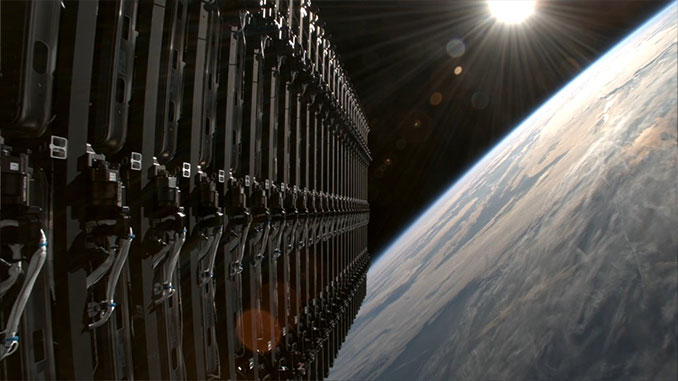
Live coverage: SpaceX to launch 27 Starlink satellites on Falcon 9 rocket from Vandenberg
The Falcon 9 rocket will fly on a south-easterly trajectory upon launching from Vandenberg Space Force Base. Liftoff is scheduled for 2:34 a.m. PDT (5:34 a.m. EDT / 0934 UTC).
Commercial Crew
Falcon 9

Launch Preview: Falcon Heavy to launch Roman telescope, Falcon 9 to launch Starlink satellites
This week will see five orbital launches from China, the United States, and French Guiana.… The post Launch Preview: Falcon Heavy to launch Roman telescope, Falcon 9 to launch Starlink satellites appeared first on NASASp
Commercial Crew
Falcon 9
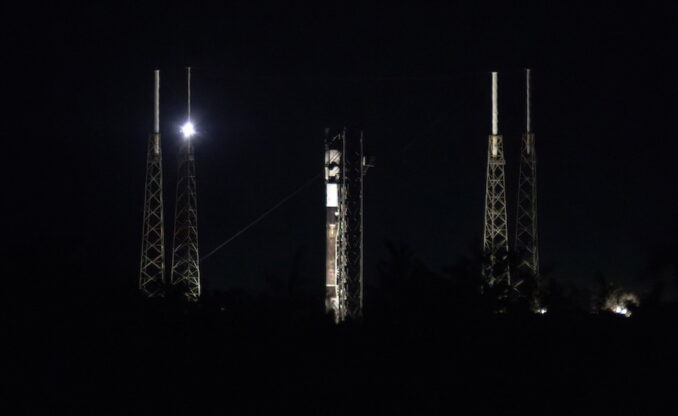
Live coverage: SpaceX to launch Starlink mission on a Falcon booster’s record-breaking 37th flight
The Starlink 10-49 mission is set to be the 100th launch of a Falcon 9 rocket in 2026. Liftoff from pad 40 at Cape Canaveral Space Force Station is scheduled for 5:33 a.m. EDT (0933 UTC).
Commercial Crew
Falcon 9
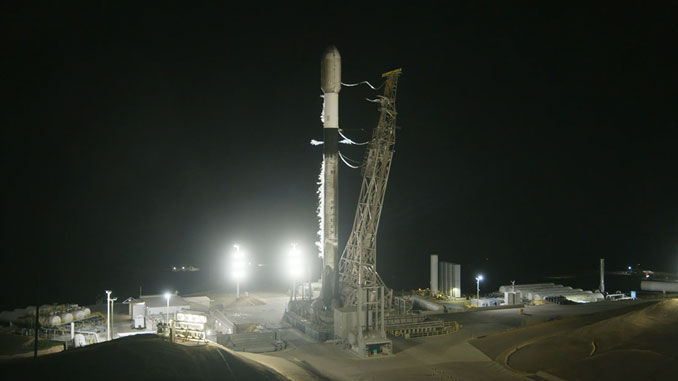
Live coverage: SpaceX to launch 100th orbital mission of 2026
The Starlink 15-20 mission represents the 99th Falcon 9 rocket launch of the year. Liftoff from pad 4 East is scheduled for 12:25 a.m. PDT (3:25 a.m. EDT / 0725 UTC).
Commercial Crew
Falcon 9

Portal Space Systems to include rideshare payloads on Falcon 9 launch of Supernova
Portal Space Systems has acquired a Falcon 9 to launch its first Supernova spacecraft and will offer excess capacity on the vehicle for rideshare payloads. The post Portal Space Systems to include rideshare payloads on F
Commercial Crew
Falcon 9
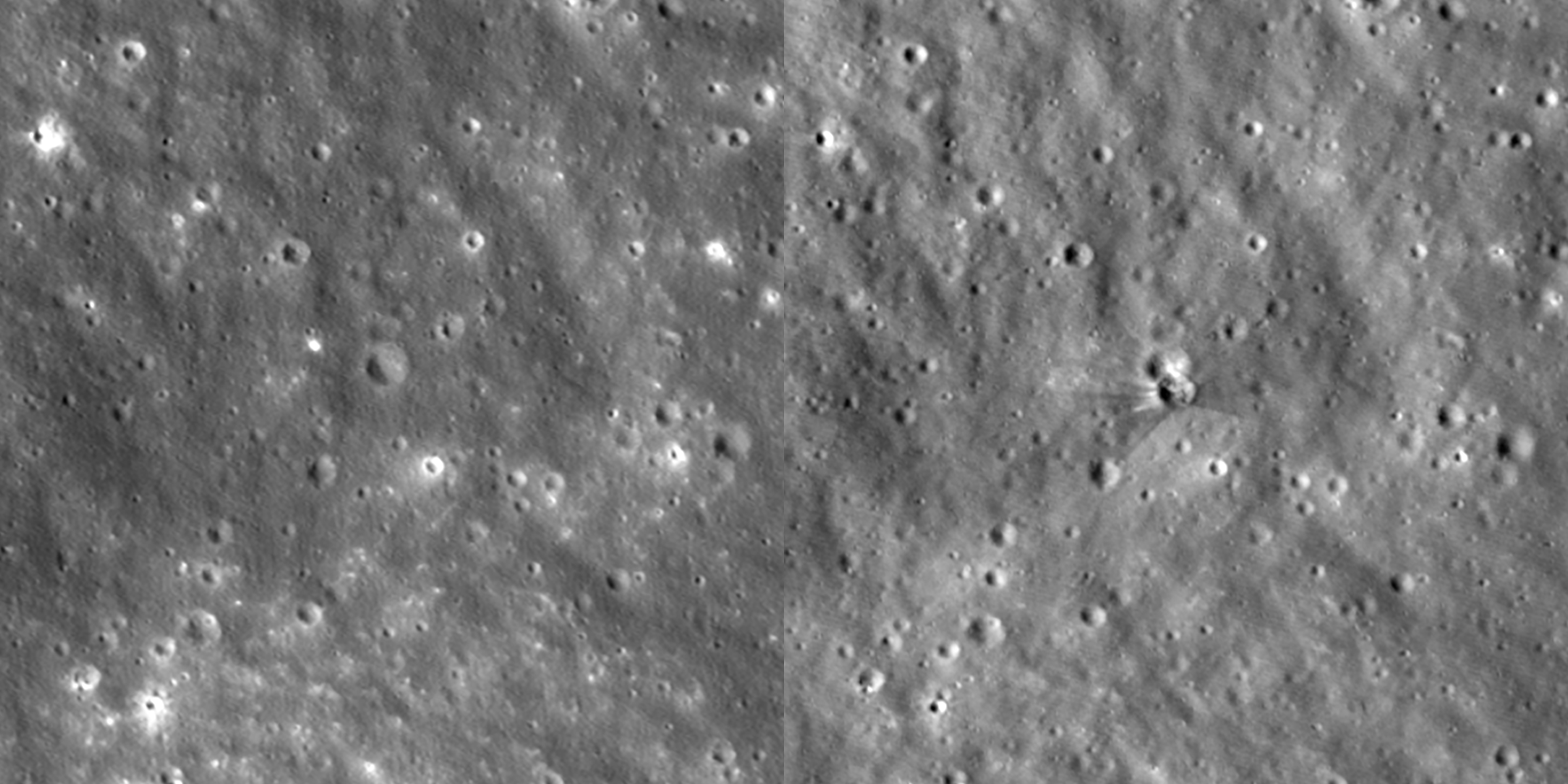
NASA’s LRO Images Falcon 9 Crater on Moon, Learns New Details
Between Aug. 11 and 12, NASA’s Lunar Reconnaissance Orbiter (LRO) captured a series of images of a new crater on the Moon. The crater formed on Aug. 5, when a SpaceX Falcon 9 upper stage impacted the surface following it
Commercial Crew
Falcon 9

A rocket crashed into the moon. It was harmless, but the next one might not be.
Earlier this month, a discarded SpaceX Falcon 9 upper stage crashed into the lunar surface at 8,700 kilometers per hour. This was not a controlled landing. The stage had been […] The post A rocket crashed into the moon.
Commercial Crew
Falcon 9
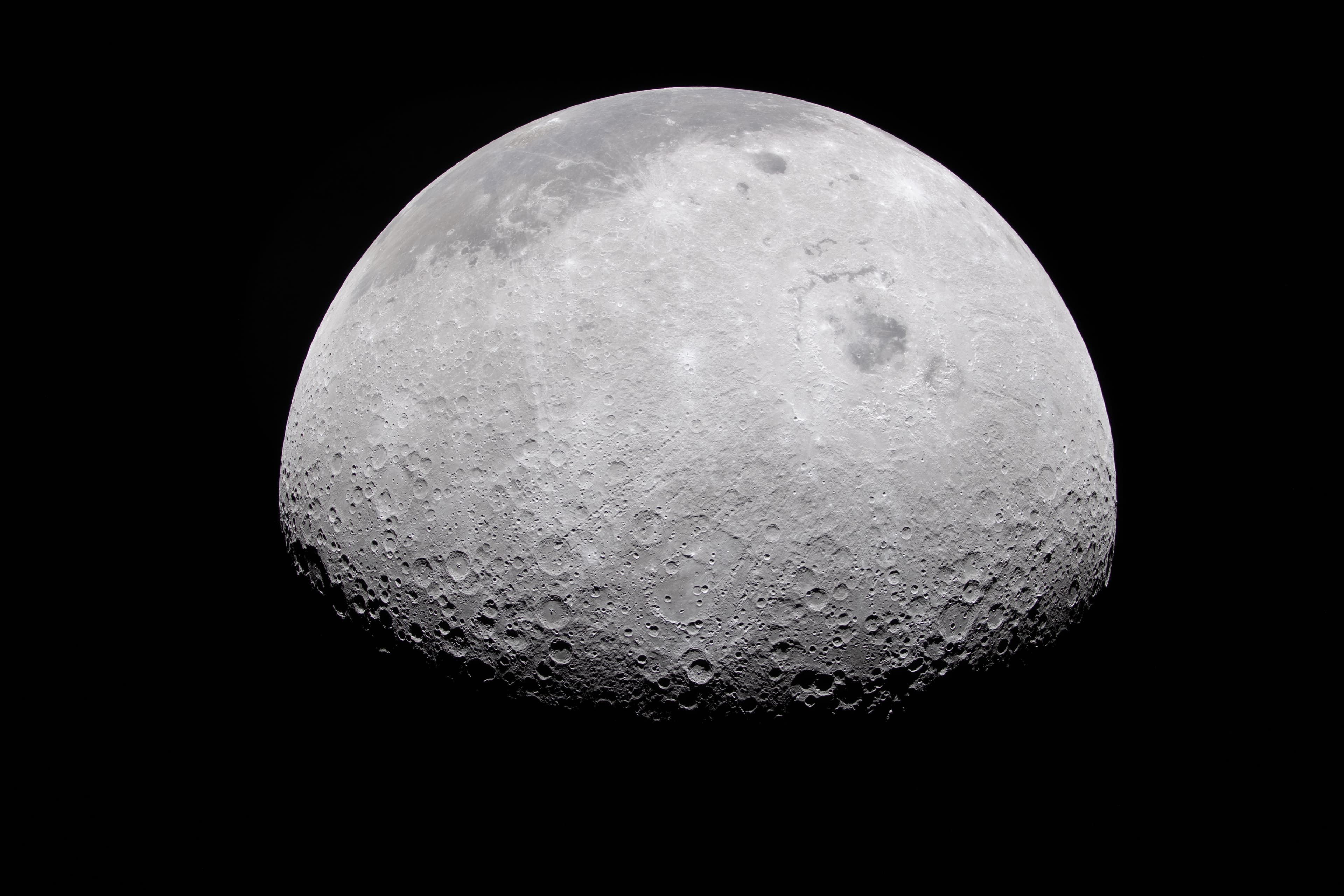
NASA Will Attempt to Observe Rocket Part’s Lunar Impact
Using ground-based telescopes and space-based assets, NASA and SpaceX are tracking a used Falcon 9 upper stage from a commercial mission expected to impact the Moon on Wednesday, Aug. 5, near the Einstein and Bell crater
Commercial Crew
Falcon 9
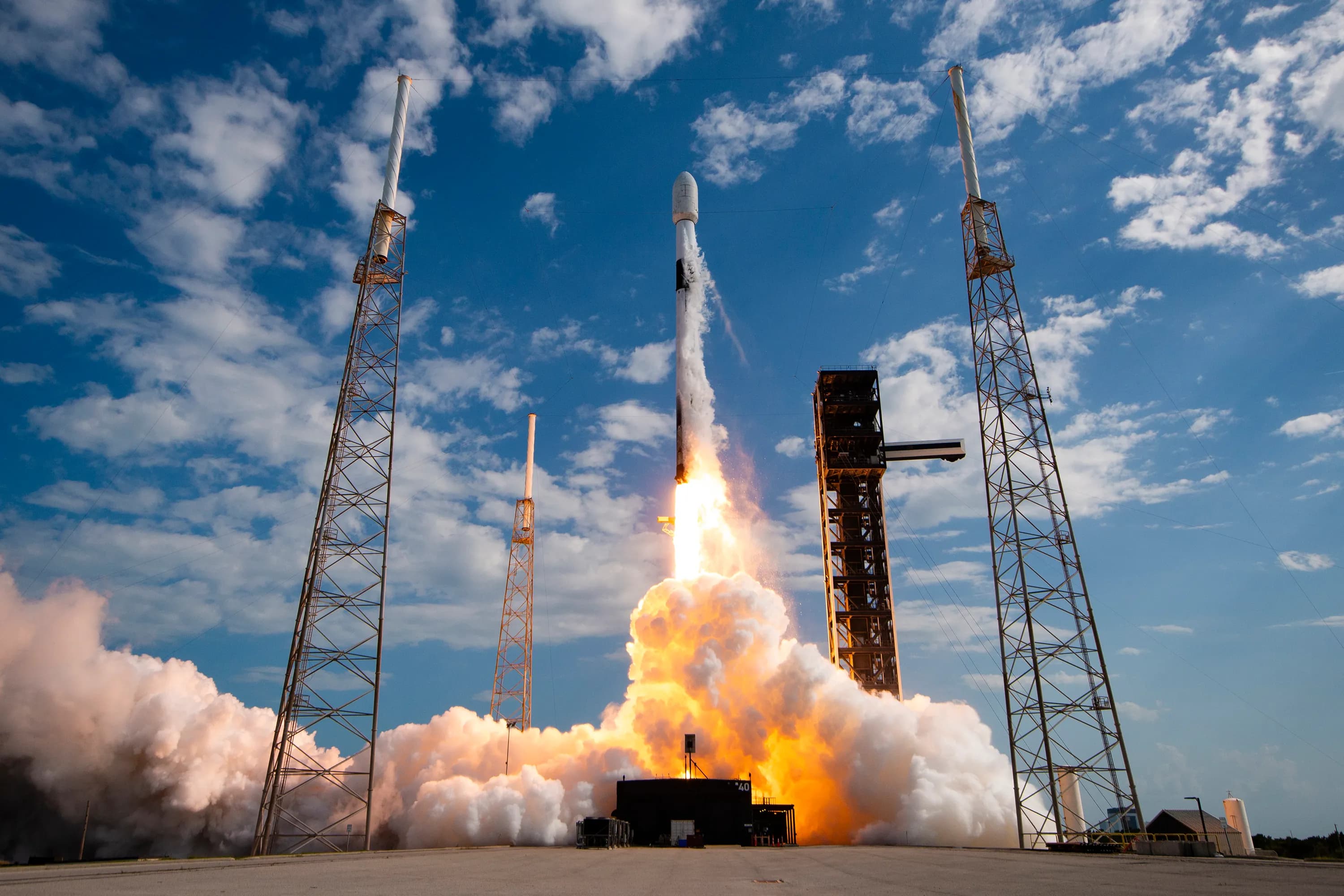
Robotic Servicing Mission Launches with NASA Support
Following its liftoff from Cape Canaveral on July 21 aboard a SpaceX Falcon 9 rocket, the Mission Robotic Vehicle (MRV) hosting the NASA-supported Robotic Servicing of Geosynchronous Satellites (RSGS) payload is now en r
Commercial Crew
Falcon 9
Facts last reviewed 2026-07-11. Official mission page: nasa.gov