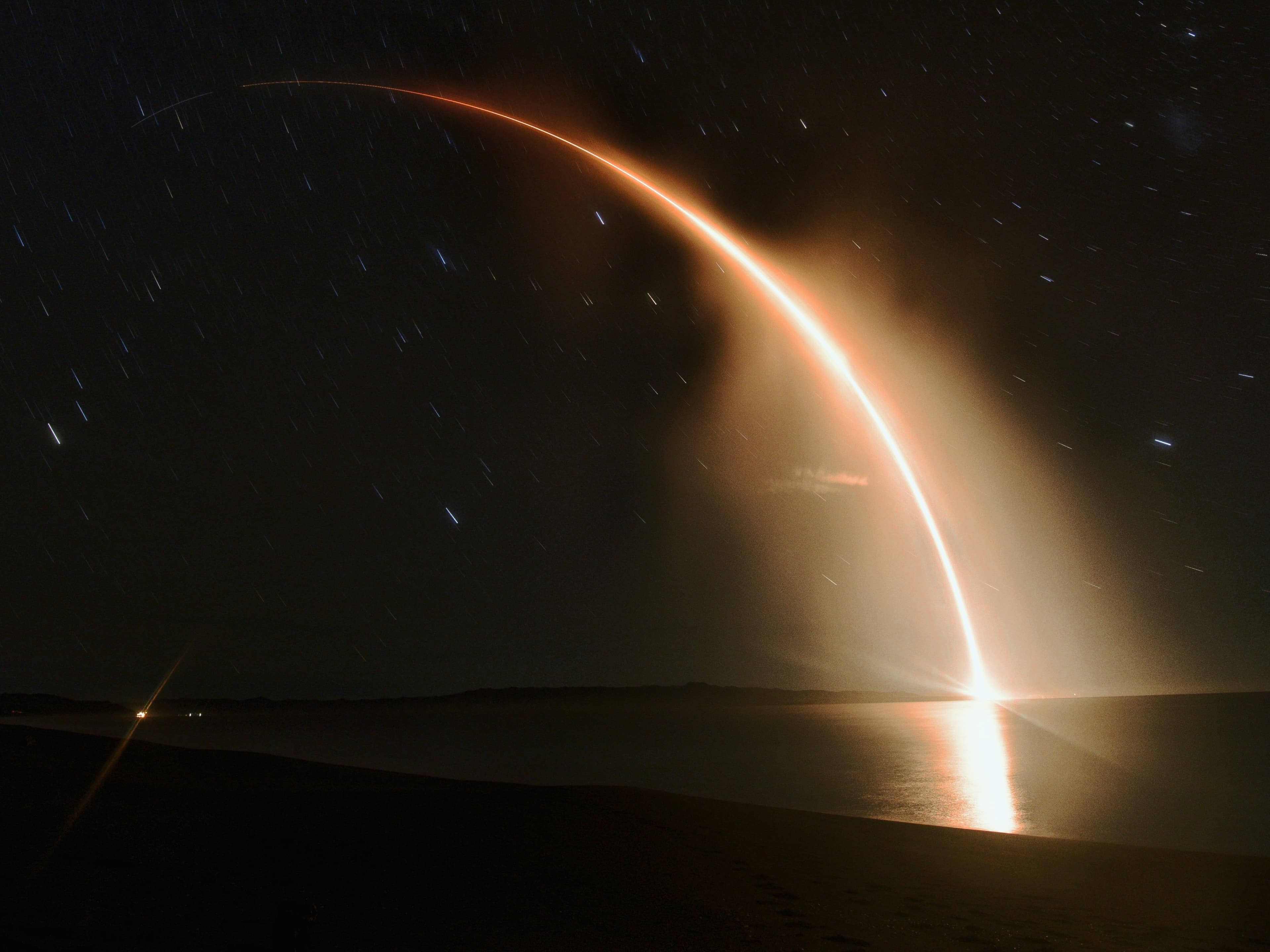
Electron is a small two-stage rocket built largely from carbon composite and powered by Rutherford engines, which use electric, battery-driven pumps instead of the gas turbines found on larger rockets. It gives small satellites a dedicated ride to orbit rather than waiting for a spare seat on a big rocket.
Rocket Lab launches Electron from New Zealand's Mahia Peninsula and from Wallops Island in Virginia, and has repeatedly recovered first stages from the ocean as it works toward reuse. The company is now developing a larger, reusable rocket called Neutron to complement it.
Electron proved there is a real market for small, frequent, dedicated launches. It gave startups, universities, and government payloads a way to reach the exact orbit they need on their own schedule, and made Rocket Lab the busiest small-launch provider in the world.
Key Facts
- Operator
- Rocket Lab
- First flight
- May 25, 2017
- Payload to LEO
- About 300 kg
- Engines
- Rutherford, 3D-printed with electric pumps
- Launch sites
- Mahia, New Zealand and Wallops, Virginia
Timeline
May 2017
First Electron test flight, 'It's a Test'
January 2018
First successful orbital flight, 'Still Testing'
November 2020
First first-stage ocean recovery for reuse studies
Next up
Continued launches while Neutron is developed
Latest Electron News

The electronics ‘under the hood’ of space networking
In this episode, SpaceNews’ Mike Gruss interviews Jeff Janicik, CEO and chairman of Innoflight. They discuss Golden Dome, Artemis and working with big numbers for the Space Development Agency. Sponsored […] The post The
Artemis
Electron

Aerospace demonstrates DiskSats in low-Earth orbit
SALT LAKE CITY – The Aerospace Corp. is continuing to demonstrate the viability of pancake-shaped DiskSats in the wake of their December launch on a Rocket Lab Electron. “It’s the […] The post Aerospace demonstrates Disk
Electron

Spirit Electronics Adds Texas Instruments and Microchip Technology Space Grade Components to Online Store Ahead of SmallSat 2026
PHOENIX, AZ — August 24, 2026 — Spirit Electronics, a value‑added distributor of high‑reliability electronics focused on performance‑driven program requirements, announced that space‑grade and high‑reliability components
Electron

NRO to expand use of HawkEye 360’s satellite intelligence
NRO contract increases U.S. government access to satellite data used to locate radars, ships and other electronic emitters The post NRO to expand use of HawkEye 360’s satellite intelligence appeared first on SpaceNews.
Electron
Ukrainian Missiles Strike Russian Soyuz Rocket Factory
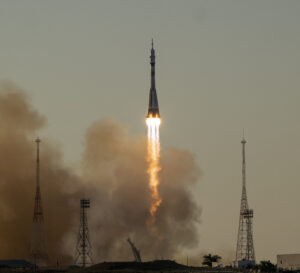
Ukrainian President Volodymyr Zelensky confirmed today that Ukrainian Flamingo missiles hit Russia’s Progress production facility in Samara. He cited the Progress Center’s role in producing electronics, but Soyuz rockets
International Space Station
Electron
Rocket Lab Establishes German Subsidiary
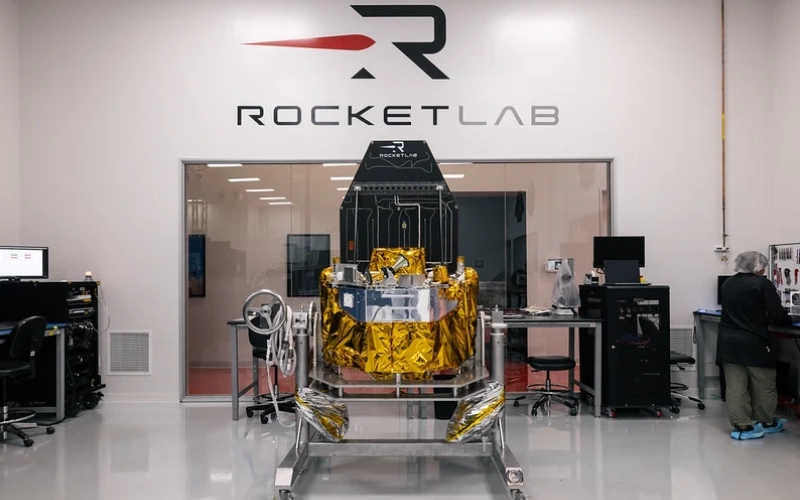
Rocket Lab has established a new subsidiary in Germany to enable it to offer scaled domestic production of satellites and launch services on both its Electron and Neutron rockets. The company formally announced Rocket La
Electron

First Neutron launch may slip to 2027
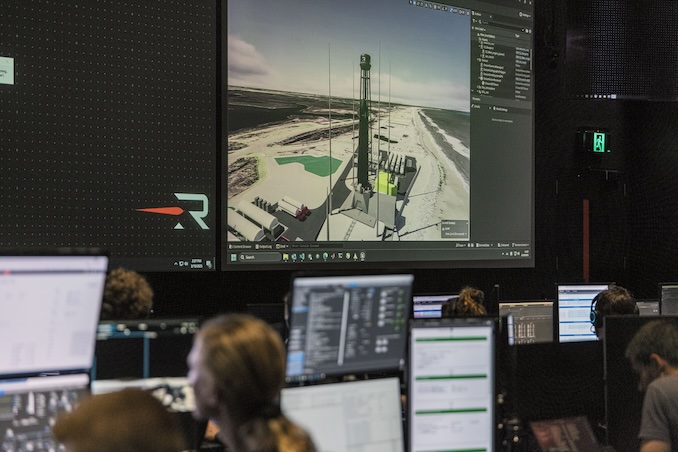
Rocket Lab warned that the chances of launching its Neutron rocket for the first time before the end of the year are “narrowing” despite progress on the vehicle’s development. The post First Neutron launch may slip to 20
Electron
Window for 2026 launch debut of Rocket Lab’s Neutron rocket ‘is narrowing’ as development continues
The announcement came in a filing to the U.S. Securities and Exchange Commission ahead of a quarterly investor earnings call on Aug. 10.
Electron

Rocket Lab builds deployable infrastructure for Electron launches
Named ‘GHOST’ the containerized infrastructure is designed to support orbital and suborbital launches The post Rocket Lab builds deployable infrastructure for Electron launches appeared first on SpaceNews.
Electron

Kepler books Neutron for 2028 optical relay launch
Kepler Communications plans to deploy next-generation optical relay satellites on Rocket Lab’s upcoming Neutron rocket in one of several launches the Canadian operator has slated for 2028. The post Kepler books Neutron f
Electron

Rocket Lab wins another launch contract from Japan’s iQPS
Rocket Lab has won another contract from Japanese radar imaging company iQPS for multiple launches of its Electron rocket. The post Rocket Lab wins another launch contract from Japan’s iQPS appeared first on SpaceNews.
Electron

Rocket Lab sees Electron gains, Neutron delays in first half of 2026
Rocket Lab’s Electron rocket has had a record stretch through the first half of 2026,… The post Rocket Lab sees Electron gains, Neutron delays in first half of 2026 appeared first on NASASpaceFlight.com.
Electron

Rocket Lab wins NASA award for three Electron launches
NASA has selected Rocket Lab to launch a pair of science missions on three Electron rockets in 2027. The post Rocket Lab wins NASA award for three Electron launches appeared first on SpaceNews.
Electron
Facts last reviewed 2026-07-12. Official mission page: rocketlabusa.com