
The Imaging X-ray Polarimetry Explorer (IXPE) is a NASA-Italian Space Agency telescope launched in 2021. It measures polarization, the orientation of X-ray light waves, from the most extreme objects in the sky: black holes, neutron stars, pulsars, and supernova remnants.
Polarization is a dimension of light most telescopes ignore. It encodes the geometry of magnetic fields and matter near objects too small and distant to photograph directly.
IXPE maps the shape of things no telescope can photograph: how matter swirls in its last moments before falling into a black hole, and how a pulsar's magnetic field twists. Its first pulsar measurement forced theorists to revise models they had used for decades.
Key Facts
- Launched
- December 9, 2021
- Partners
- NASA and the Italian Space Agency
- Measures
- X-ray polarization
- Targets
- Black holes, pulsars, magnetars, supernova remnants
- Telescopes
- 3 identical X-ray units
Timeline
December 2021
Launch on Falcon 9
February 2022
First observation: supernova remnant Cassiopeia A
2023
Maps magnetic fields near the Milky Way's central black hole regions
Next up
Extended mission observations
Latest IXPE News
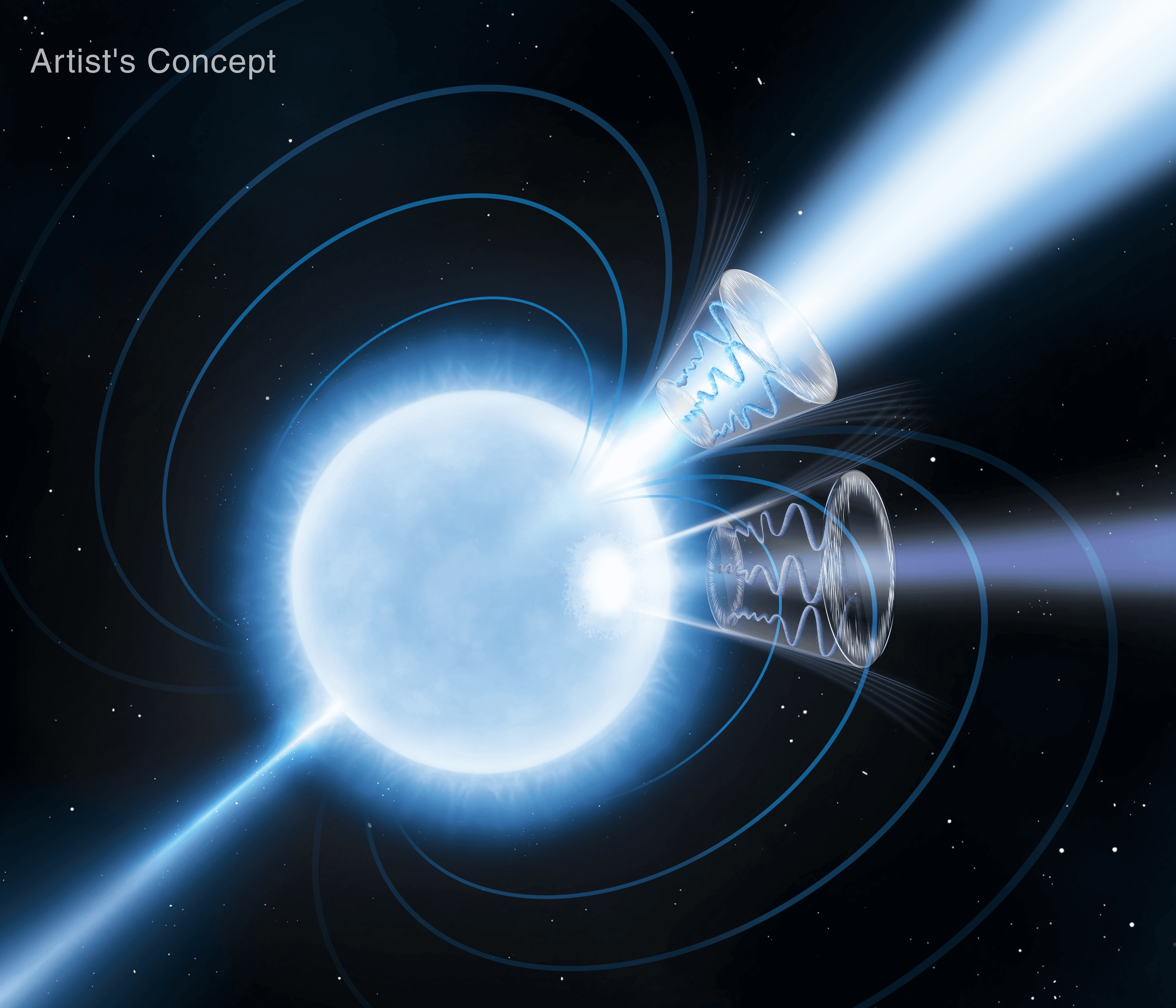
NASA’s IXPE Studies Magnetar
Scientists using NASA’s IXPE (Imaging X-ray Polarimetry Explorer) conducted more than 140 hours of observations of the magnetar 1E 1547-5408, shown in this Aug. 5, 2026, artist’s concept, between March and April 2025. In
IXPE
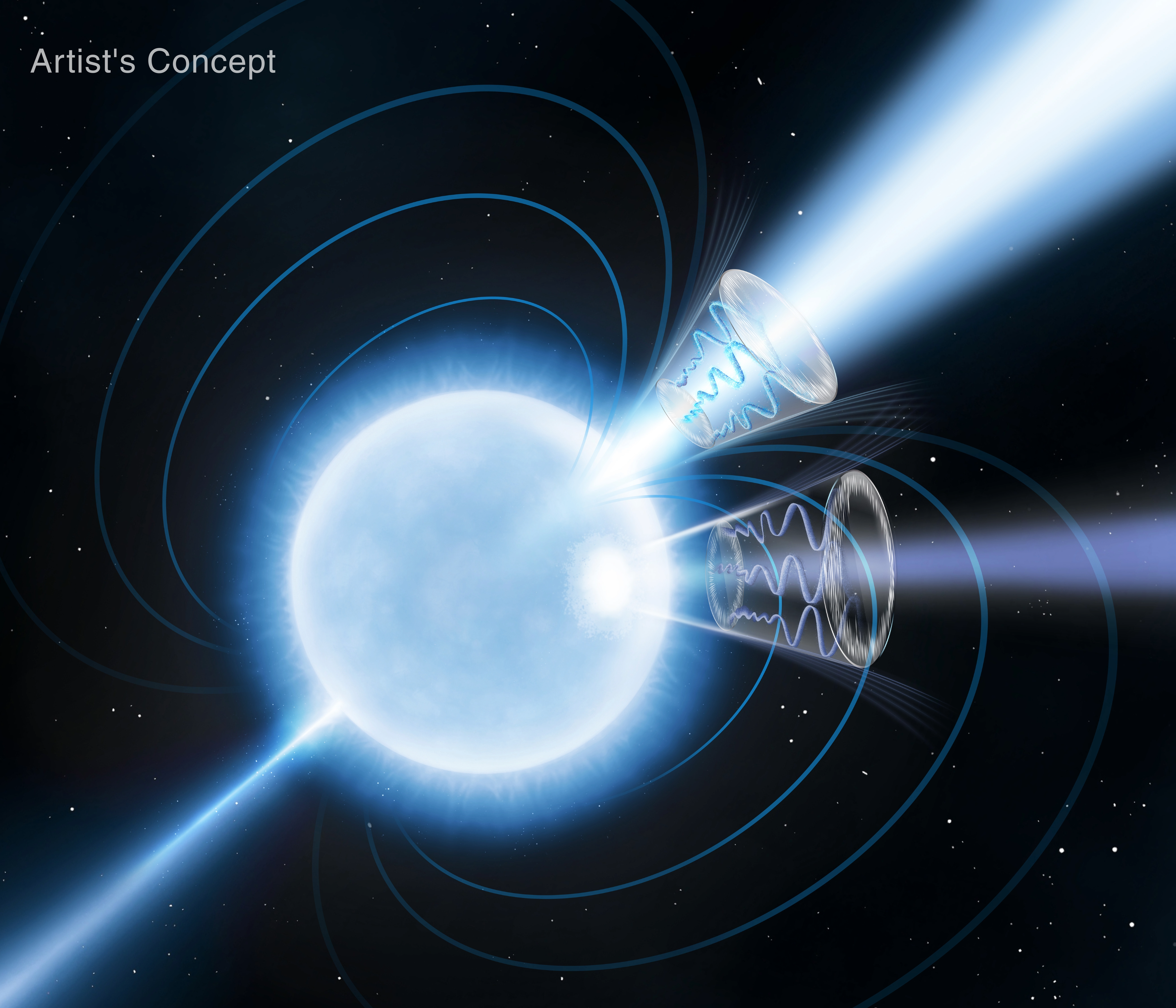
NASA’s IXPE May Have Proven 90-Year-Old Theory
A first of its kind measurement of a magnetar may have captured empty space behaving in a way physicists have predicted for 90 years, but never directly observed. The results published Wednesday in Nature. Fast facts Sci
IXPE
Facts last reviewed 2026-07-11. Official mission page: science.nasa.gov